
Worldwide Taps Angeles: ECU Hub Accelerates Asia-Europe Trade Speed
ECU Worldwide elevates Los Angeles as a strategic multimodal hub in 2026, slashing Asia-Europe transit times and offering flexible routing for shippers navigating volatile trade corridors.

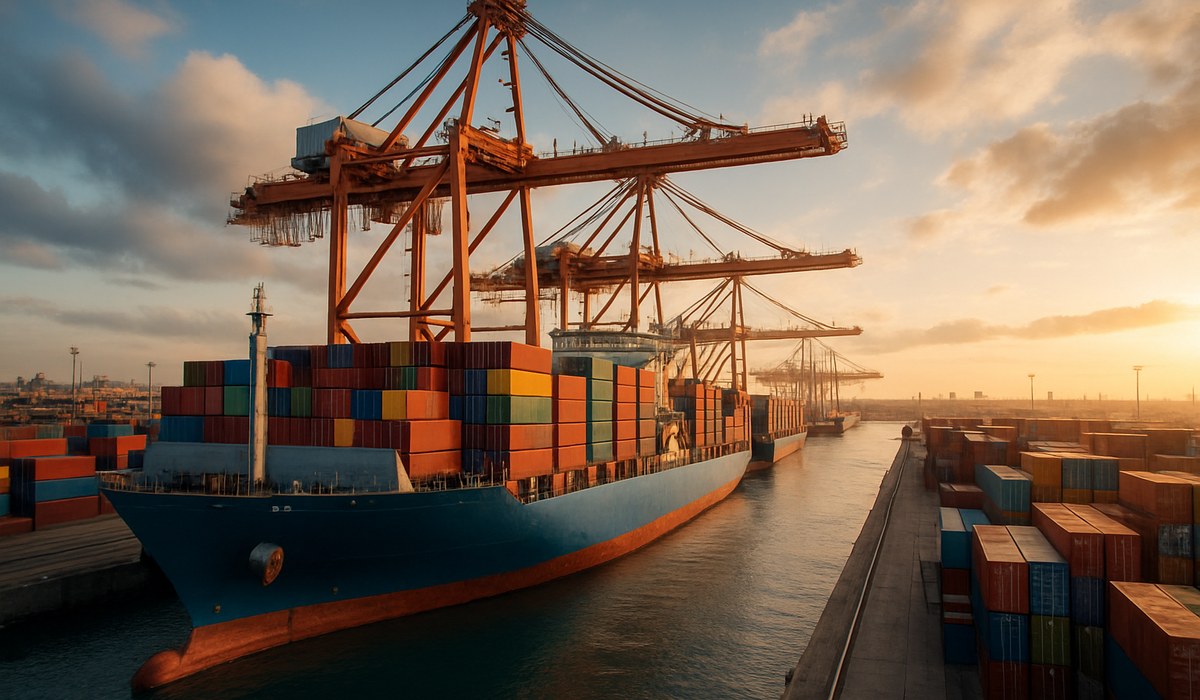
Image generated by AI
ECU Worldwide Strengthens Los Angeles as Premier Asia-Europe Gateway
ECU Worldwide has designated Los Angeles as a central multimodal transit hub designed to accelerate shipments between Asia and Europe while reducing congestion and expanding routing flexibility. The logistics carrier consolidates arriving cargo from major Chinese ports at its Los Angeles facility, then redistributes goods via expedited inland transport and air connections. This hub strategy directly addresses bottlenecks on traditional ocean routes and positions Los Angeles as a dynamic pivot point for time-sensitive freight moving eastward.
The move reflects growing demand for speed and reliability in global supply chains. Shippers increasingly seek alternatives to lengthy direct ocean voyages from Asia to Europe, which can face unpredictable delays. By leveraging existing warehousing and handling infrastructure at LAX, ECU Worldwide creates a more flexible platform for consolidation, reconfiguration, and onward dispatch. The hub now ranks alongside established global centers like New York, Miami, Antwerp, Rotterdam, and Singapore in ECU's network architecture.
XLERATE Express: Hybrid Speed Through Los Angeles
ECU Worldwide's XLERATE express service combines rapid transpacific ocean legs from Asia to the US West Coast with coordinated air connections into European markets. The product accepts cargo from major Asian gateways—Shanghai, Ningbo, Xiamen, Shenzhen, and Guangzhou—and moves shipments through Los Angeles via bonded trucking before executing airfreight departures to over 80 European airports.
Total transit times from key Chinese ports to select European destinations reach approximately two weeks under the sea-air model. This hybrid approach positions itself between pure airfreight speed and traditional ocean freight economics, appealing to sectors with short product lifecycles. Electronics, fashion, and healthcare companies benefit from faster door-to-door delivery without absorbing the full cost of direct Asian airfreight. XLERATE's unified handling framework across multiple trade lanes strengthens supply chain predictability for freight forwarders consolidating volumes from diverse Asian origins into centralized European distribution networks.
LCL Consolidation Drives Hub Efficiency
Less-than-container-load (LCL) consolidation forms the operational backbone of Los Angeles's expanded role. ECU Worldwide aggregates smaller shipments arriving from Asia, builds denser outbound loads for European services, and maintains improved schedule reliability through higher utilization rates.
This consolidation strategy particularly benefits smaller shippers who lack individual volume for direct continent-to-continent service. By pooling cargo from multiple Asian origins in Los Angeles, ECU creates economies of scale that smaller operators cannot achieve independently. The hub also supports neutral freight services, enabling ECU to manage shipments across competing trade corridors without bias toward specific carriers or routes. When traditional East-West ocean services face disruption, Los Angeles functions as a springboard for alternative routing into European markets, preserving supply chain continuity during volatile periods.
Inland Network Expansion Strengthens West Coast Operations
ECU Worldwide has expanded its US domestic footprint with enhanced inland distribution from Los Angeles into major industrial and consumption centers across North America. The company operates bonded and express trucking routes connecting Los Angeles to container freight stations in key regional markets, creating dual-purpose functionality: feeding domestic corridors while aggregating shipments destined for Europe.
Service schedules released for 2025 and 2026 demonstrate how trade lanes from Los Angeles now link more tightly with Asia and onward global destinations. Enhanced connections to Southeast Asian ports like Jakarta show the hub's capacity to support both westbound and eastbound flows. Shippers gain flexible routing options when demand patterns shift or capacity constraints emerge. Los Angeles increasingly functions as a dynamic pivot rather than a static endpoint, allowing cargo redirection, consolidation delays, or advancement through faster modes based on available capacity and market conditions.
Alternative Routing Amid East-West Volatility
Traditional Asia-Europe shipping corridors face mounting challenges from port congestion, equipment scarcity, and route security concerns. Carriers and logistics providers are recalibrating networks to address these headwinds, creating heightened demand for alternative routings that bypass bottlenecks while maintaining service reliability.
ECU Worldwide's Los Angeles hub strategy directly responds to this environment by blending ocean and air components through North American routing. Fast transpacific services into Los Angeles, followed by scheduled air links into European gateways, allow certain cargo categories to circumvent extended delays on saturated direct routes. This flexibility proves especially valuable during periods when Suez Canal constraints, port labor disputes, or equipment imbalances disrupt conventional East-West schedules. Shippers can now redirect volumes to the Los Angeles gateway when traditional ocean services face disruption, maintaining supply continuity without incurring premium express rates.
Multi-Destination European Coverage Expands Options
The worldwide taps angeles strategy extends to comprehensive European airport coverage, with XLERATE service reaching more than 80 final destinations across the continent. This broad distribution network allows shippers to consolidate Asian volumes in Los Angeles before dispersing freight to fragmented European markets without requiring individual ocean bookings.
Network data shows ECU Worldwide maintaining frequent sailings from Chinese ports into Los Angeles, with coordinated air departures ensuring consistent onward connectivity. The model supports both major European hubs (Frankfurt, Amsterdam, Paris) and secondary cities, enabling last-mile flexibility for regional distribution. Consolidation through Los Angeles eliminates the need for shippers to coordinate multiple carriers across different segments, simplifying documentation, visibility tracking, and liability frameworks.
| Metric | Value/Description | Impact on Shippers |
|---|---|---|
| Average Asia-Europe Transit Time | ~14 days (via sea-air) | Balances speed and cost versus 30-45 day ocean-only routes |
| Origin Ports Served | Shanghai, Ningbo, Xiamen, Shenzhen, Guangzhou | Captures majority of Chinese container traffic |
| Los Angeles Hub Role | Primary consolidation and sorting point | Reduces LCL handling touches and delays |
| European Destinations | 80+ airports and distribution centers | Extends market reach into secondary European cities |
| Service Model | Hybrid sea-air via Los Angeles | Provides flexibility vs. direct transpacific air service |
| LCL Volume Growth | Accelerating (2026 outlook) | Improves schedule reliability through higher utilization |
| Bonded Trucking Routes | Expanded inland US coverage | Strengthens domestic-to-international consolidation |
What This Means for Travelers and Shippers
The designation of Los Angeles as ECU Worldwide's premier Asia-Europe transit hub creates tangible benefits for supply chain stakeholders:
-
Faster, More Predictable Delivery: Shippers securing two-week transit times to European destinations can better forecast inventory arrivals and reduce safety stock, lowering working capital requirements.
-
Cost Optimization: The hybrid sea-air model eliminates premium pricing associated with direct transpacific airfreight while avoiding the extended delays of traditional ocean routes. Mid-value freight finds its optimal cost-speed balance.
-
Flexible Routing Options: When primary routes face congestion (Suez Canal delays, port labor disputes), shipments can be redirected through Los Angeles without rebooking or service interruptions.
-
Improved Last-Mile Coverage: Access to 80+ European destinations enables regional distribution without requiring freight forwarders to coordinate separate carriers for different cities.
-
Enhanced Consolidation Efficiency: Smaller shippers aggregating volumes in Los Angeles gain service options previously available only to major carriers, democratizing access to competitive Asia-Europe connectivity.
-
Supply Chain Resilience: The hub architecture reduces dependence on single-route corridors, building redundancy into vulnerable supply chains exposed to geopolitical or operational disruptions.
Frequently Asked Questions
How does worldwide taps angeles reduce Asia-Europe shipping times? ECU Worldwide routes cargo from Asian ports to Los Angeles via fast transpacific ocean services, then immediately deploys coordinated airfreight departures to European destinations. This sea-air hybrid model compresses total transit to approximately 14 days—significantly faster than 30-45 day ocean-only voyages while remaining more cost-effective than direct airfreight.
Which Asian ports connect through the Los Angeles hub? Major Chinese gateways including Shanghai, Ningbo, Xiamen, Shenzhen, and Guangzhou feed the Los Angeles consolidation facility. These ports represent the highest-volume origin points for ECU's Asian cargo flows targeting European markets.
What cargo types benefit most from worldwide taps angeles routing? Electronics, fashion apparel, healthcare products, and perishable goods with short product lifecycles gain the most value. These sectors require inventory agility without the premium cost of direct airfreight, making the sea-air hybrid model ideally suited to their supply chain constraints.
How many European destinations does the Los Angeles hub serve? XLERATE service reaches more than 80 European airports and distribution centers, including major hubs like Frankfurt and Amsterdam as well as secondary cities. This breadth eliminates the need for shippers to coordinate separate carriers for regional European dispersion after consolidation.
Related Travel Guides
- Tropical Storm Boris Pushes Inland Over Mexico as Cristina Threatens Central America With Catastrophic Flooding
- Transcontinental River Deltas: How Dhaka's Direct New York Flight Ambition Opens Bangladesh to Global Travelers
- Delta Air Lines Airbus A321neo Declares Emergency After Fuel Leak and Cockpit Fumes in 2026
Disclaimer
This article is for informational and educational purposes only. It does not constitute legal, financial, or professional advice. While we strive to provide accurate and up-to-date information, travel policies, regulations, and conditions change rapidly. Always verify information with official sources before making travel decisions. Nomad Lawyer makes no representations about the accuracy, reliability, completeness, or suitability of the information provided. Readers should consult qualified professionals for advice specific to their circumstances. The views expressed in this article are those of the author and do not necessarily reflect the views of Nomad Lawyer.
Preeti Gunjan
Contributor & Community Manager
A passionate traveller and community builder. Preeti helps grow the Nomad Lawyer community, fostering engagement and bringing the reader experience to life.
Learn more about our team →