
Australia Increases Visa Fees in 2026: Japan, Canada, and UK Emerge as Stronger Tourism Competitors
Australia's latest hike in Visitor and Working Holiday Maker visa fees is sparking concerns over international arrival numbers and regional economic stability as global competition intensifies.

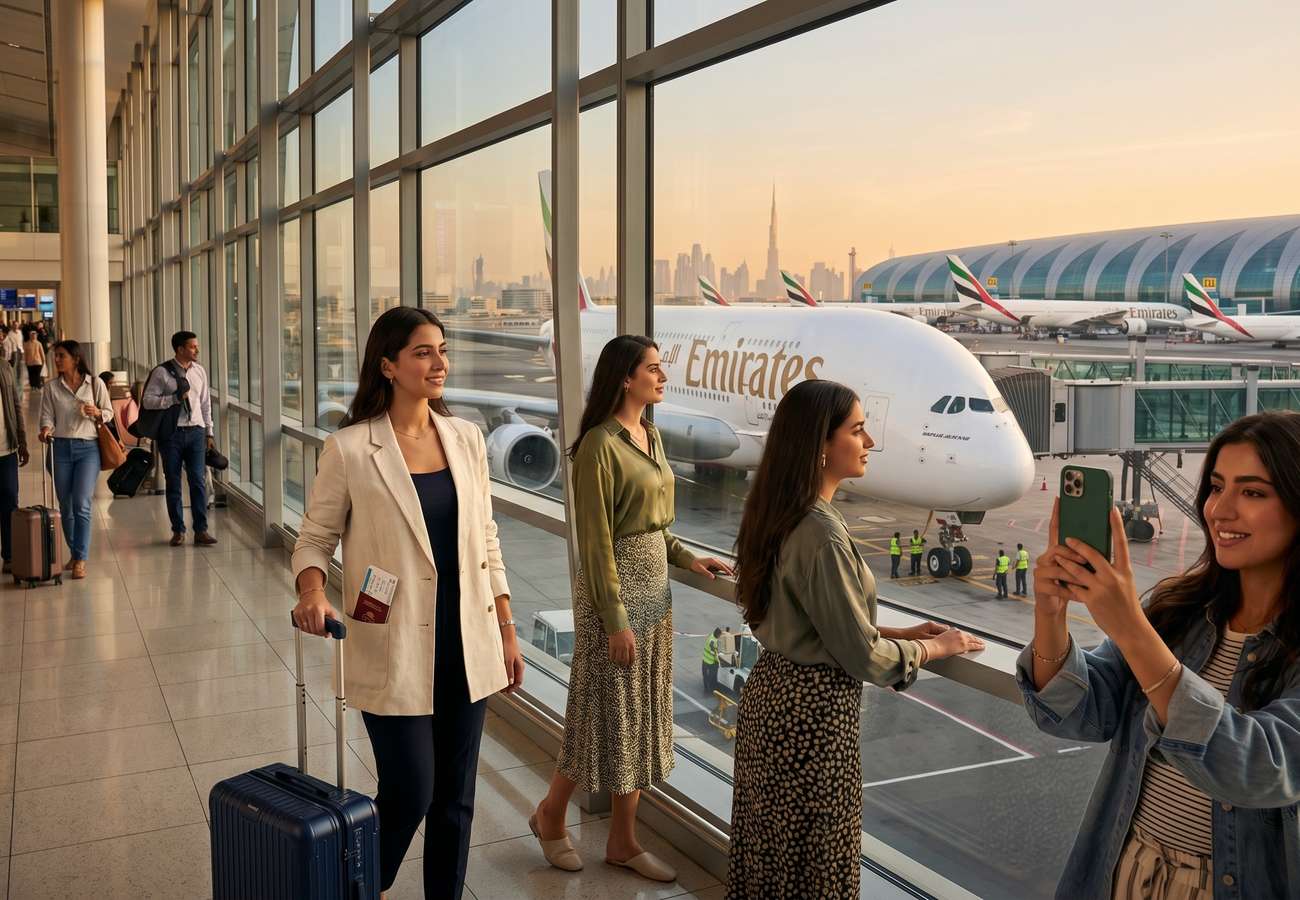
Image generated by AI
Australia is facing a potential downturn in international visitor demand following a significant increase in visa application fees effective July 1, 2026. This price hike places the country in a precarious position as global travelers become increasingly sensitive to upfront costs when selecting their next destination.
The surge in entry fees is not merely a bureaucratic adjustment; it represents a strategic risk to Australia's tourism competitiveness. With travelers now utilizing sophisticated comparison tools to weigh airfare, accommodation, and visa costs, the increased financial barrier may push budget-conscious demographics toward rival nations.
New Visa Pricing Structures for 2026
The latest adjustments target two of the most critical pathways for international entry: the standard Visitor visa and the Working Holiday Maker (WHM) visa. The WHM category, in particular, has seen a dramatic upward trend in pricing over the last few years.
| Visa Category | Previous Fee | New Fee (July 2026) | Increase Amount |
|---|---|---|---|
| Working Holiday Maker (WHM) | A$670 | A$840 | A$170 |
| Visitor Visa (Subclass 600) | A$200 | A$250 | A$50 |
The impact on the Working Holiday Maker segment is especially pronounced. Since 2022, the cost for this visa has climbed from A$510 to A$840—a staggering increase of nearly 65%.
The Shift in Global Tourism Competition
As Australia raises the cost of entry, other high-value destinations are positioning themselves as more accessible and affordable alternatives. The following nations are currently the primary competitors for the demographics most affected by these fee hikes:
Japan Japan has emerged as a dominant force in the Asia-Pacific region. By combining high-efficiency infrastructure and diverse cultural branding with a competitive entry environment, Japan is increasingly viewed as a high-value alternative for long-haul travelers and those from Asian markets.
Canada Canada competes directly with Australia for the "young adventurer" and international student demographics. Its robust working holiday programs and natural landscapes make it a primary alternative for those who find Australia's rising WHM fees prohibitive.
New Zealand Due to geographic proximity and similar ecological appeals, New Zealand is often a direct substitute. Travelers planning a "down under" trip frequently compare the total cost of entry for both nations; higher fees in Australia may lead to shorter stays or a preference for New Zealand-centric itineraries.
United Kingdom For European and Commonwealth travelers, the UK remains a strong competitor. Its global connectivity and historic appeal, paired with a perceived ease of access, make it an attractive option when Australian travel costs trend upward.
Risks to Regional Economic Stability
The Working Holiday Maker program is more than a tourism driver; it is a vital economic engine for rural and regional Australia. These visitors provide a dual benefit by spending on local services and filling critical seasonal labor gaps in agriculture and hospitality.
Higher visa costs create a "barrier to entry" that can ripple through the regional economy:
- Reduced Spend: Lower arrival numbers lead to decreased revenue for regional accommodation, transport operators, and local eateries.
- Labor Shortages: A decline in WHM applicants could leave regional businesses struggling to find seasonal staff.
- Diminished Exploration: Long-stay visitors typically venture beyond major hubs like Sydney and Melbourne. A reduction in this cohort directly impacts the viability of remote tourism attractions.
The Psychology of the Modern Traveler
In the current travel climate, the "total cost of trip" is the primary metric for decision-making. For a backpacker or a young professional, a A$170 increase in a visa fee is not just a nominal charge—it is a significant portion of their daily operating budget.
When mandatory costs rise, travelers often seek "value-optimized" destinations. This shift in behavior suggests that Australia risks creating a perception of being an expensive, exclusive destination, potentially alienating the very demographics that drive sustainable, long-term tourism growth.
Australia now faces the challenge of balancing government revenue from visa fees against the long-term economic necessity of remaining a globally accessible destination.
Related Travel Guides
Disclaimer
This article is for informational and educational purposes only. It does not constitute legal, financial, or professional advice. While we strive to provide accurate and up-to-date information, travel policies, regulations, and conditions change rapidly. Always verify information with official sources before making travel decisions. Nomad Lawyer makes no representations about the accuracy, reliability, completeness, or suitability of the information provided. Readers should consult qualified professionals for advice specific to their circumstances. The views expressed in this article are those of the author and do not necessarily reflect the views of Nomad Lawyer.
Kunal K Choudhary
Co-Founder & Contributor
A passionate traveller and tech enthusiast. Kunal contributes to the vision and growth of Nomad Lawyer, bringing fresh perspectives and driving the community forward.
Learn more about our team →