
Jodhpur: India's Sun City Combines 400-Year Royal Heritage With Desert Sunshine and Blue Architecture in 2026
Jodhpur earns its 'Sun City of India' nickname from year-round sunshine near the Thar Desert. Discover why this Rajasthan gem attracts millions with forts, markets, and culture.

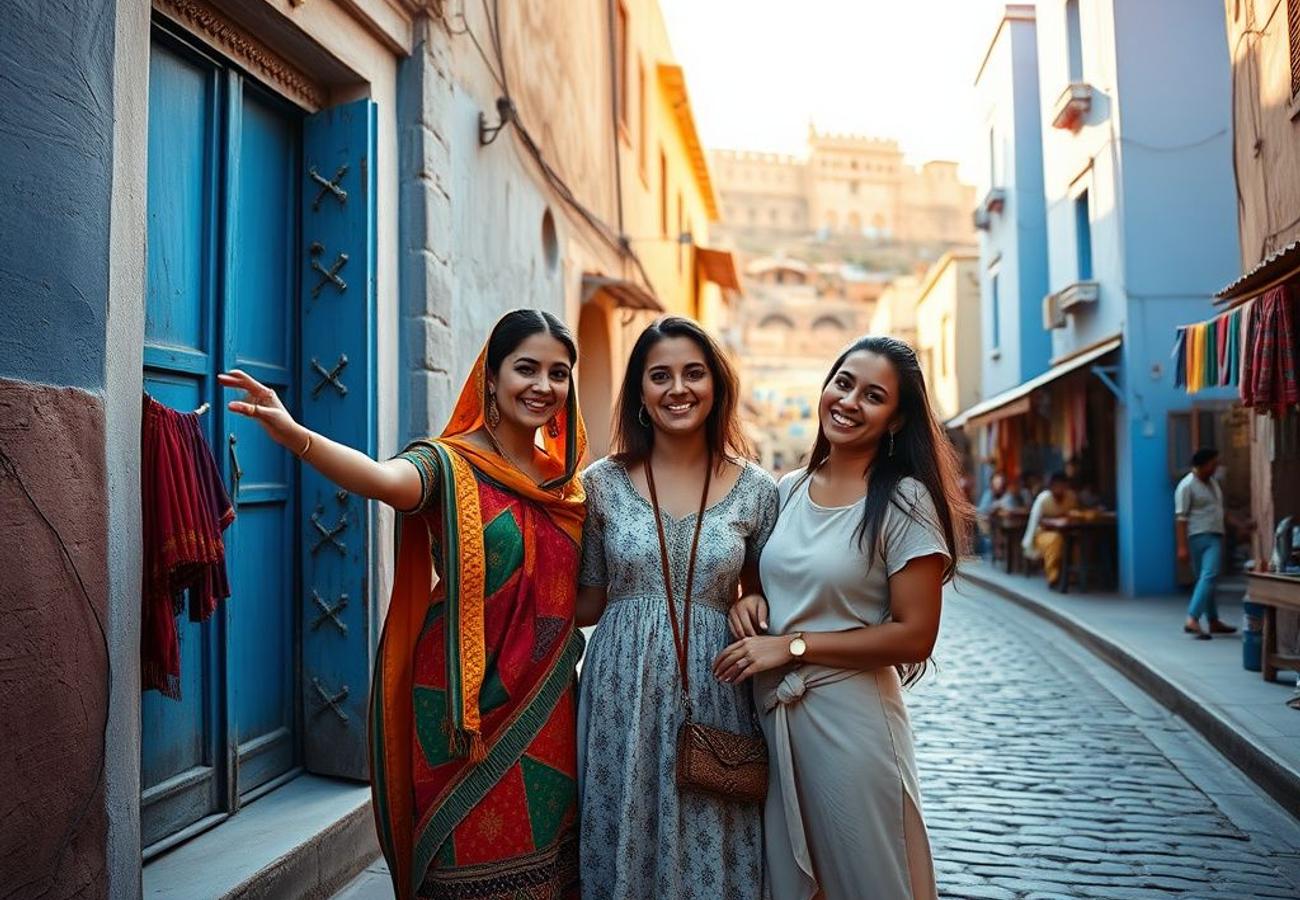
Image generated by AI
Why Jodhpur Earns Its 'Sun City' Crown
Jodhpur, a glittering jewel in Rajasthan, wears a title that speaks to its most defining characteristic: the 'Sun City of India'. But this nickname isn't mere tourism marketing—it's grounded in geography and climate that makes the city genuinely exceptional.
Founded in 1459 by Rao Jodha, this walled city sits just kilometers from the Thar Desert. That proximity is everything. The desert's expanse creates a climate phenomenon: Jodhpur basks in abundant sunshine for most of the year, even during the winter months when other Indian cities endure clouds and cool temperatures.
Reddit: "I visited Jodhpur in February and the sun was unrelenting—clear blue skies every single day. You can actually understand why they call it the Sun City." — r/travel
The nickname runs deeper than meteorology, though. The Rathore rulers who governed here historically revered the sun as a symbol of power and sovereignty. That cultural reverence cemented the city's solar identity across centuries.
The Blue City's Dual Identity
Walk through Jodhpur's streets and you'll encounter another striking fact: thousands of homes painted in shades of blue. This architectural marvel gave rise to a second title—the 'Blue City'—creating one of India's most visually distinctive urban landscapes.
The indigo hue isn't purely aesthetic. Historically, the color helped regulate heat in homes and offered practical protection against insects. Today, it's become Jodhpur's defining visual signature and a magnet for photographers from around the world.
Mehrangarh: A 400-Foot Fortress Dominates the Skyline
No journey to Jodhpur bypasses Mehrangarh Fort, one of India's largest and most imposing fortifications. Perched 400 feet above the city on a rocky outcrop, this 16th-century structure offers sweeping vistas of Jodhpur's blue-painted neighborhoods stretching toward the desert horizon.
The fort's intricate architecture—featuring ornate balconies, carved lattice screens, and ramparts—tells the story of Rajput military engineering and royal grandeur. Walking its corridors feels like stepping into Rajasthan's warrior past.
Beyond the Fort: Hidden Gems Worth Your Time
Jaswant Thada sits a short distance from the fort—a pristine marble memorial so elegant that locals call it the 'Taj Mahal of Marwar'. Built in the 19th century, its delicate stonework reflects light beautifully during golden hour, making it a photographer's paradise.
For something more offbeat, explore Toorji Ka Jhalra, an 18th-century stepwell that's become one of Jodhpur's most photographed landmarks. The geometric precision of its architecture and the way light filters into its depths create an almost otherworldly atmosphere.
Mandore Gardens, meanwhile, offers tranquility away from the crowds. This sprawling complex features elaborate cenotaphs, historic temples, and manicured green spaces—a respite in the desert.
The Flavors of Jodhpur's Desert Kitchen
Rajasthani cuisine comes alive in Jodhpur. Dal baati churma—a comfort-food trinity of lentils, baked bread, and crumbled sweetened mixture—is essential eating. Laal maas, a fiery red meat curry, delivers bold spice. Ker sangri and gatte ki sabzi represent the region's creative use of desert-grown ingredients.
Street food enthusiasts should hunt down Gypsy Restaurant for authentic preparations. For sweets, Shri Arora Namkeen And Sweets and Pokar Sweets are legendary for jalebis, rabdi, and gulab jamun that locals have been eating for generations.
Shopping: Where Markets Meet Bazaar Culture
The bustling Clock Tower Market pulses with energy—spice vendors, handicraft stalls, traditional snack sellers, and leather-goods merchants create controlled chaos that defines authentic Rajasthani commerce.
Nearby, Nai Sarak and Sojati Gate specialize in bandhani fabrics (tie-dye textiles), intricate jewelry, juttis (traditional embroidered shoes), and chunky tribal ornaments that reflect centuries of regional craftsmanship.
The Best Window to Visit: October Through March
Jodhpur's climate doesn't negotiate. Summer temperatures soar to brutal levels—planning a visit during June to September means battling extreme heat and limited monsoon relief. Instead, target October through March, when temperatures sit in a pleasant 15-25°C range and skies remain crystalline.
This sweet spot offers ideal conditions for fort exploration, market wandering, and photography without the punishing heat that defines Jodhpur's other months.
Getting There: Connected by Air, Rail, and Road
Jodhpur Airport operates regular flights from major Indian metros. Jodhpur Junction Railway Station connects the city to destinations across India's rail network. Road trips from Jaipur and neighboring Rajasthani cities are increasingly popular, offering flexibility and scenic desert landscapes.
The city's improving infrastructure means reaching India's Sun City has never been easier or more accessible for travelers worldwide.
Jodhpur isn't just another desert destination—it's a masterclass in how geography, history, and human creativity combine to create unforgettable travel experiences.
Related Travel Guides
Disclaimer
This article is for informational and educational purposes only. It does not constitute legal, financial, or professional advice. While we strive to provide accurate and up-to-date information, travel policies, regulations, and conditions change rapidly. Always verify information with official sources before making travel decisions. Nomad Lawyer makes no representations about the accuracy, reliability, completeness, or suitability of the information provided. Readers should consult qualified professionals for advice specific to their circumstances. The views expressed in this article are those of the author and do not necessarily reflect the views of Nomad Lawyer.
Preeti Gunjan
Contributor & Community Manager
A passionate traveller and community builder. Preeti helps grow the Nomad Lawyer community, fostering engagement and bringing the reader experience to life.
Learn more about our team →