
Maine Green Heart: Wildlife Refuge Draws 2026 Adventure Seekers
Maine's sprawling Green Heart wilderness combines pristine forests, Cold War relics, and thriving wildlife habitats. This remote refuge attracts 2026 adventurers seeking year-round outdoor recreation from hiking to snowshoeing.

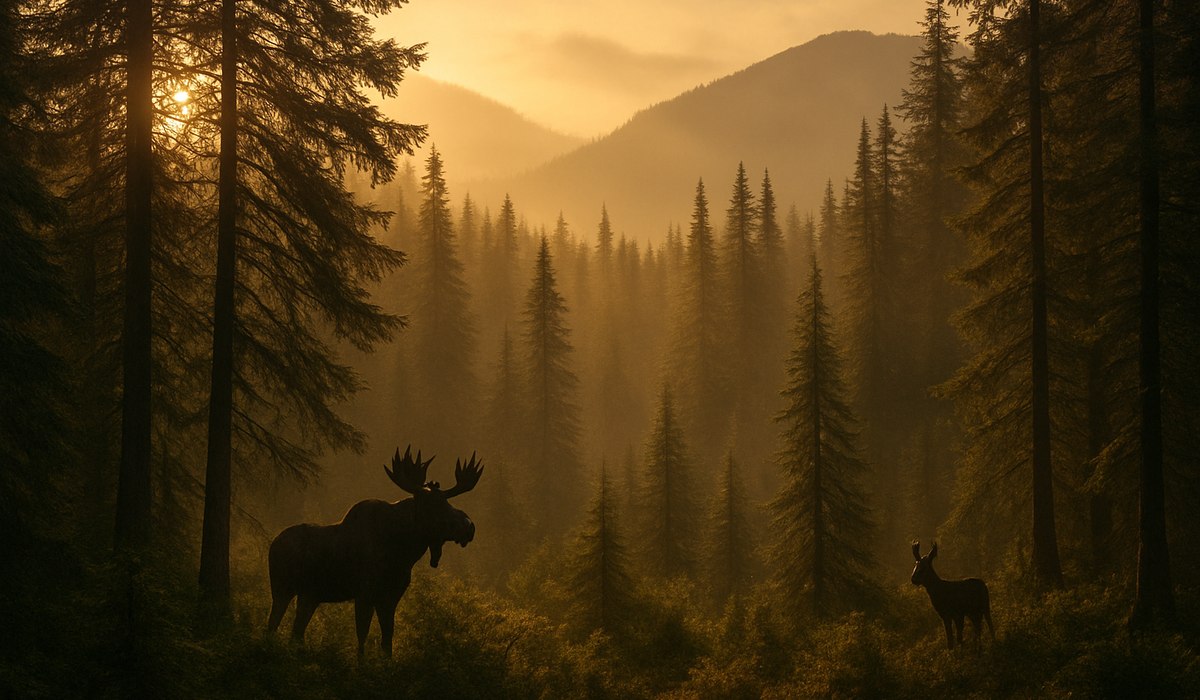
Image generated by AI
Maine's Green Heart Becomes 2026's Premier Wilderness Destination
Maine's sprawling Green Heart has emerged as one of North America's most compelling outdoor destinations for 2026 travelers. This vast refuge combines pristine wilderness, fascinating Cold War-era infrastructure, and exceptional wildlife viewing opportunities. The region, located in Maine's remote interior, attracts adventure enthusiasts seeking authentic experiences beyond conventional tourism routes. Travelers arrive year-round to explore dense forests, encounter diverse animal populations, and discover unexpected historical artifacts scattered throughout the landscape.
Discovering Maine's Green Heart: Location and Overview
Maine's Green Heart encompasses a sprawling network of protected lands and working forests in the state's north-central region. This remote refuge stretches across hundreds of thousands of acres, creating a genuine wilderness experience accessible within a full day's drive from major East Coast cities. The terrain varies dramatically, from towering spruce-fir stands to wetlands teeming with migratory waterfowl.
The refuge's designation reflects conservation efforts preserving critical habitat corridors and recreational access. Local tourism boards have enhanced infrastructure while maintaining the area's rugged character. Modern travelers can navigate established trails without sacrificing the solitude and natural beauty that define Maine's interior. The Green Heart represents a rare balance between accessibility and authentic wilderness preservation, making it ideal for both experienced backcountry explorers and casual nature enthusiasts planning multi-day excursions.
Wildlife Encounters in This Remote Refuge
The sprawling refuge supports one of the Northeast's most robust wildlife populations. Moose sightings occur regularly along waterways and forest edges, particularly during early morning hours. Black bears, while present, maintain healthy distance from established trails. The region also hosts thriving populations of white-tailed deer, bobcats, and smaller mammals including porcupines and beavers.
Birdwatchers discover exceptional opportunities year-round. Migratory songbirds fill the spring and fall, while resident species like pileated woodpeckers and great horned owls provide winter viewing opportunities. Warblers, thrushes, and waterfowl create dynamic soundscapes throughout temperate months. The refuge's wetland systems attract loons, herons, and osprey. Wildlife photographers consistently capture remarkable images during golden hour periods when animals are most active. Visit Maine's official wildlife information for species-specific guides and seasonal viewing forecasts.
Cold War History Meets Natural Wilderness
Few American wilderness areas blend recreational adventure with Cold War archaeology as distinctively as Maine's Green Heart. The region contains numerous military installations, radar stations, and defensive infrastructure from the mid-20th century. These concrete and steel remnants, slowly reclaimed by forest growth, create a haunting juxtaposition against natural landscapes.
Guided tours explore abandoned bunkers, control stations, and communication facilities that once monitored Soviet airspace during peak tension. Local historians have documented these structures with surprising detail, creating accessible narratives about Cold War strategy and Maine's strategic importance. Many structures remain partially visible, offering photographers dramatic contrasts between human engineering and encroaching vegetation. The refuge essentially functions as an outdoor museum where nature gradually reclaims manufactured history. These unique historical elements distinguish Maine's Green Heart from typical wilderness destinations.
Summer Hiking and Winter Snowshoeing Expeditions
Seasonal recreation opportunities make the sprawling refuge appealing across all calendar months. Summer hiking season typically runs May through October, with peak conditions occurring June through September. Trail networks range from casual two-hour walks to demanding multi-day backpacking routes requiring wilderness permits. Water sources remain abundant, supporting extended expeditions. Popular routes follow ridgelines offering expansive forest vistas, while lower-elevation trails traverse streams and beaver ponds.
Winter transforms the refuge into a snowshoeing paradise. Snow typically arrives by December and persists through March, creating ideal tracking conditions for observing wildlife. The quiet forest environment during winter months provides exceptional opportunities for wildlife photography and animal behavior observation. Explore Maine's trail network through AllTrails for detailed route planning, elevation profiles, and community trail conditions reports updated throughout hiking seasons.
Key Facts: Maine's Green Heart by the Numbers
| Metric | Details |
|---|---|
| Total Protected Area | Over 750,000 acres of contiguous forest |
| Moose Population | Estimated 70,000+ individuals across Maine |
| Annual Visitors (2026) | Projected 180,000+ recreationalists |
| Highest Elevation | 3,445 feet (Katahdin in adjacent park system) |
| Average Winter Snowfall | 150-200 inches annually |
| Indigenous Trail Network | 400+ miles of marked routes |
| Cold War Sites | 20+ documented military installations |
| Wildlife Species Count | 200+ vertebrate species documented |
| Backcountry Campsites | 150+ dispersed camping areas |
| Best Viewing Season | June-September for wildlife; December-March for tracking |
What This Means for Travelers
Understanding Maine's Green Heart offers several practical advantages for 2026 adventure planning:
-
Book accommodations early: Gateway communities fill quickly during peak seasons. Reserve lodging three months ahead for summer hiking trips and winter snowshoeing expeditions.
-
Obtain required permits: Backcountry camping in Maine's sprawling refuge requires advance registration. Contact regional ranger stations 60 days before intended departure dates.
-
Pack seasonal gear strategically: Summer requires insect protection and water filtration systems. Winter demands proper snowshoe models, extra base layers, and emergency communication devices for remote areas.
-
Plan guided experiences: Local outfitters offer Cold War history tours, wildlife photography workshops, and backcountry cooking classes. Hiring experienced guides significantly enhances destination knowledge and safety protocols.
-
Time visits around wildlife: Late May through June offers peak moose viewing. September and October provide optimal black bear observation along berry-producing areas and stream corridors throughout the sprawling refuge.
Frequently Asked Questions
What's the best time to visit Maine's Green Heart? June through September offers optimal hiking conditions with established water sources and moderate temperatures. Winter visitors should plan December through March for snowshoeing. Spring (May) and fall (October) present transition periods with variable weather but fewer crowds and excellent wildlife viewing.
Are permits required for backcountry camping? Yes. Maine's sprawling refuge requires advance camping permits issued through regional ranger stations. Day-hiking typically requires no permits, but overnight expeditions need registration. Contact destination management offices 60 days before planned visits to secure preferred campsites.
Can inexperienced hikers safely explore the refuge? Absolutely. Established trail systems accommodate varied fitness levels. Hire local guides for cold war history tours or wildlife observation. Beginners should stick to marked trails, carry navigation tools, and inform others of planned routes and return times.
What wildlife poses serious safety concerns? Black bears rarely approach humans; store food properly and make noise while hiking. Moose, despite their size, typically avoid people. Insects including blackflies and mosquitoes are summer nuisances requiring adequate insect protection. Ticks warrant careful body checks after outdoor activities.
Related Travel Guides
- Thousands Stranded Flight Chaos Sweeps Five US States in April 2026
- Akasa Iran Asia: Indian Carrier Pivots to Hanoi Amid Gulf Conflict
- Gulf Air Launches Saudi Arabia Routes: Frankfurt & Nairobi Services Begin March 2026
Disclaimer
This article references publicly available information from Maine Department of Inland Fisheries and Wildlife, the National Park Service, and regional tourism authorities. Specific regulations, facility availability, and trail conditions change seasonally. Always verify
Disclaimer
This article is for informational and educational purposes only. It does not constitute legal, financial, or professional advice. While we strive to provide accurate and up-to-date information, travel policies, regulations, and conditions change rapidly. Always verify information with official sources before making travel decisions. Nomad Lawyer makes no representations about the accuracy, reliability, completeness, or suitability of the information provided. Readers should consult qualified professionals for advice specific to their circumstances. The views expressed in this article are those of the author and do not necessarily reflect the views of Nomad Lawyer.
Raushan Kumar
Founder & Lead Developer
Full-stack developer with 11+ years of experience and a passionate traveller. Raushan built Nomad Lawyer from the ground up with a vision to create the best travel and law experience on the web.
Learn more about our team →