
Atlanta Friendly Suburb Named 2026 Rail-Accessible Escape With Trails and Shops
A hidden Atlanta friendly suburb emerges as 2026's must-visit destination, combining rail accessibility with world-class outdoor trails, independent boutiques, and casual dining that rivals the city itself.

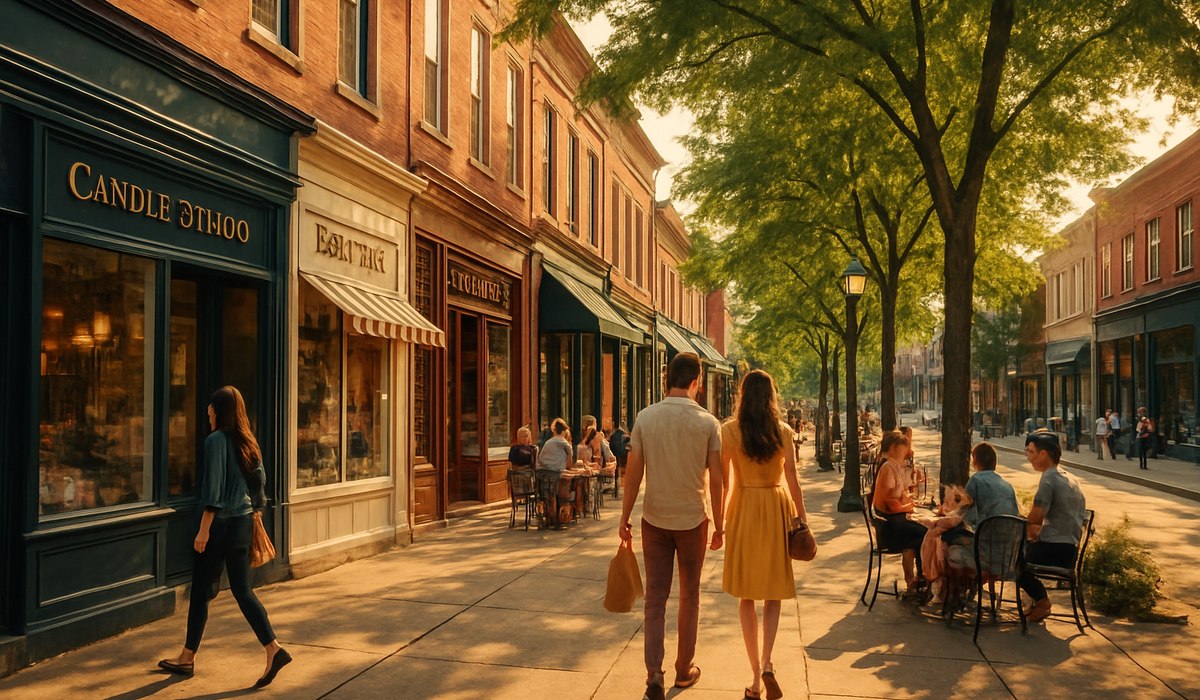
Image generated by AI
Skip Atlanta's Downtown Chaos—Discover This Accessible Suburban Gem
An Atlanta friendly suburb is reshaping how travelers experience Georgia's capital region. Rather than navigating crowded downtown streets, savvy visitors are boarding regional rail services to reach this overlooked destination, where world-class outdoor trails, independent boutiques, and authentic casual dining create an experience that rivals—and often exceeds—what the city center offers. Located within convenient rail distance of Atlanta's main stations, this suburban pocket delivers urban amenities wrapped in genuine small-town character.
Rail Connection and Getting There
Multiple regional rail operators connect Atlanta's central hubs to this emerging suburban destination. The journey typically takes 25–45 minutes via commuter rail, making it accessible for day trips or longer stays. Direct service runs from central Atlanta stations during peak and off-peak hours, with weekend frequencies increasing to accommodate growing leisure travel demand.
Tickets range from standard single journeys to multi-day passes. Round-trip fares generally cost $8–16 depending on peak travel times. The operator offers real-time journey planning through their mobile app, and third-party booking platforms like Trainline provide comparative pricing across available services.
The main suburban station sits within walking distance of downtown attractions, with shuttle services and local transit connections available. Arriving early allows time to explore the station area, where information kiosks provide visitor guides and local business recommendations.
How to Book the Best Fare
Booking directly through the rail operator's website typically offers the lowest fares for advance purchases. Travelers booking 7–14 days ahead receive 15–20% discounts compared to day-of-travel rates. Weekend passes provide better value for multi-day visits, bundling rail access with partner hotel and restaurant discounts.
Digital ticketing eliminates printed pass requirements; passengers simply display mobile tickets at entry gates. Off-peak travel—weekday mornings and mid-afternoon departures—consistently offer cheaper options than evening commute windows. Season passes for frequent Atlanta-area travelers cost approximately $180–220 monthly, covering unlimited journeys.
Set price alerts through booking apps to monitor fare changes. Group bookings of 10+ passengers unlock additional savings and reserved seating. Young travelers under 16 and seniors over 60 qualify for reduced rates, typically 30% less than standard adult fares.
Outdoor Trails and Natural Attractions
This Atlanta friendly suburb features an extensive trail network that outshines many dedicated nature destinations. Over 30 miles of maintained hiking paths wind through wooded areas, along creek systems, and across scenic overlooks. Popular routes range from easy 2-mile walks suitable for families to challenging 8-mile loops for experienced hikers.
The main trail system connects to regional greenways, enabling multi-day hiking experiences without retracing routes. Spring and fall attract thousands of visitors seeking crisp weather and canopy colors. Summer trails remain cooler due to dense tree coverage, while winter hiking offers clearer sightlines through dormant vegetation.
Local outdoor clubs organize group hikes every weekend, welcoming visitors to join established routes. Free trail maps are available at the visitor center and digitally through hiking apps. Mountain biking sections occupy designated paths, separated from foot traffic for safety.
Boutique Shopping and Local Retail
Downtown's pedestrian district concentrates independent boutiques within a single walkable block. Vintage clothing shops, artisan bookstores, and locally-made craft galleries showcase regional artists. Unlike chain-dominated Atlanta shopping centers, this suburb prioritizes small-business ownership, with shop owners actively involved in daily operations.
Boutique stores specialize in handcrafted jewelry, pottery, home décor, and sustainable fashion. Many offer personalized styling services unavailable in commercial malls. Saturday morning farmers markets feature local produce, baked goods, and prepared foods from area vendors.
Antique cooperatives occupy multiple storefronts, housing collective inventories of vintage furniture, collectibles, and salvage materials. Gallery hours extend into evenings Thursday through Saturday, creating weekend shopping experiences that extend beyond typical retail windows.
Casual Dining and Food Scene
The casual dining landscape rivals Atlanta's lauded food scene, featuring chef-driven restaurants operating in relaxed settings. Farm-to-table establishments source ingredients from regional suppliers, creating seasonal menus that change monthly. Average entrée prices range $12–18, significantly below comparable Atlanta restaurant pricing.
Local breweries operate tasting rooms with food trucks and pop-up kitchen partnerships. Coffee culture thrives with multiple specialty roasters offering single-origin pour-overs alongside pastries from neighborhood bakeries. Ethnic cuisine—Latin American, Asian fusion, Mediterranean—reflects demographic diversity and attracts culinary tourism.
Food halls host rotating vendor stalls, allowing diners to sample multiple cuisines in shared dining spaces. Reservations remain unnecessary for most establishments, maintaining the casual, walk-in atmosphere that defines the dining culture. Weekend brunch scenes generate long lines at popular spots, particularly at weekend hours.
Getting There and Where to Stay
Beyond rail access, visitors can reach this Atlanta friendly suburb via regional bus services or 30-minute drives from downtown Atlanta. Parking is readily available and free in most areas, contrasting sharply with Atlanta's paid downtown lots.
Accommodation ranges from bed-and-breakfast operations to boutique hotels, with nightly rates between $89–180 depending on season and amenities. Many properties offer rail packages bundling lodging with tickets, reducing overall trip costs. Airbnb rentals provide alternative housing throughout residential neighborhoods.
The suburb's compact geography allows visitors to experience most attractions within walking distance or short ride-share trips. No car rental is necessary for typical visits. Public Wi-Fi coverage throughout downtown ensures connectivity for remote workers extending stays beyond weekend getaways.
Key Facts About Visiting
| Fact | Detail |
|---|---|
| Rail journey time from Atlanta | 25-45 minutes |
| Single journey fare | $8-16 |
| Primary trail network distance | 30+ miles |
| Average boutique entrée cost | $12-18 |
| Hotel nightly rate range | $89-180 |
| Population of suburb | 45,000-65,000 |
| Hiking trail difficulty options | Beginner to advanced |
| Seasonal peak travel | April-May and September-October |
| Free parking availability | Extensive downtown lots |
| Average boutique shopping district | 1.2 square miles |
What This Means for Travelers
This emerging destination reshapes how visitors approach Atlanta-area trips, offering deliberate alternatives to conventional city tourism. Consider these actionable strategies:
-
Book rail passes in advance to secure lowest fares and guarantee seat availability during peak season weekends.
-
Plan multi-day visits to fully experience trail networks, boutique districts, and casual dining scene without rushing between attractions.
-
Visit during shoulder seasons (April-May, September-October) to avoid summer crowds while enjoying optimal hiking conditions.
-
Stay near the suburban station to eliminate transportation costs and maximize walking-based exploration.
-
Combine rail travel with hiking by purchasing week-long passes that include trail access and parking privileges.
-
Participate in community events by checking local calendars for farmers markets, gallery walks, and outdoor festivals aligned with your visit dates.
Frequently Asked Questions
Is this suburb safe for solo travelers? Yes, this Atlanta friendly suburb maintains strong community policing and welcoming attitudes toward solo visitors. Downtown areas are well-lit and busy during daytime and evening hours. Rail stations include security presence during peak travel windows.
What's the best time to visit for hiking? April through May and September through October offer ideal conditions with mild temperatures and lower humidity. Summer trails remain accessible but require early morning starts. Winter hiking is possible but some paths may have muddy sections.
Can I visit without a car? Absolutely. Rail access, walkable downtown, ride-share services, and shuttle systems make car-free exploration
Disclaimer
This article is for informational and educational purposes only. It does not constitute legal, financial, or professional advice. While we strive to provide accurate and up-to-date information, travel policies, regulations, and conditions change rapidly. Always verify information with official sources before making travel decisions. Nomad Lawyer makes no representations about the accuracy, reliability, completeness, or suitability of the information provided. Readers should consult qualified professionals for advice specific to their circumstances. The views expressed in this article are those of the author and do not necessarily reflect the views of Nomad Lawyer.
Preeti Gunjan
Contributor & Community Manager
A passionate traveller and community builder. Preeti helps grow the Nomad Lawyer community, fostering engagement and bringing the reader experience to life.
Learn more about our team →