
North America's Largest City Isn't New York—Here's the Truth
Mexico City surpasses New York as North America's most populous urban center in 2026. Discover how the Mexican capital dwarfs NYC and what this means for travelers planning continental trips.

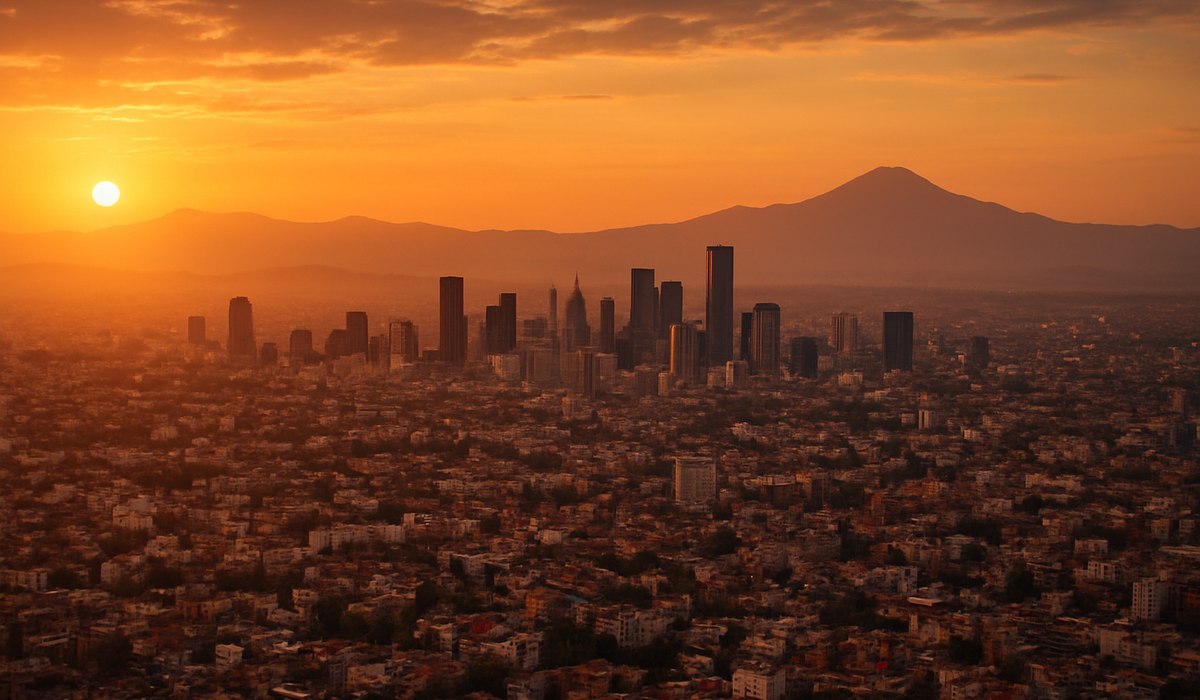
Image generated by AI
Mexico City Dominates North America's Urban Hierarchy
Mexico City claims the title of North America's largest city by population, significantly outpacing New York City in sheer demographic scale. While NYC remains America's urban heavyweight, Mexico's capital eclipses it with nearly double the metropolitan population. This 2026 reality challenges long-held assumptions about continental city rankings and reshapes how travelers understand North American urban centers. The metropolitan area sprawls across the Valley of Mexico, creating a massive economic and cultural hub that influences regional travel patterns throughout the continent.
Mexico City's Population Edge
Mexico City's metropolitan area encompasses approximately 22 million residents, making it one of the world's largest urban agglomerations. The city proper contains around 8.9 million people, with the broader metropolitan zone extending far beyond traditional city limits. This explosive growth reflects decades of rural-to-urban migration and industrial development. The capital's population density creates unique urban challenges and opportunities for visitors. Transportation networks have expanded significantly to handle millions of daily commuters and tourists. According to World Population Review, Mexico City maintains its position as the dominant metropolitan force in North America, drawing continuous migration flows from throughout Mexico and Central America.
How NYC Compares in the Rankings
New York City's metropolitan area encompasses roughly 20.1 million people, placing it second on the North America largest cities list. The city proper contains approximately 8.3 million residents across five boroughs. While NYC remains America's most populous city, it trails Mexico City in overall metropolitan scale. New York's growth has stabilized in recent decades compared to Mexico's rapid expansion. The two cities compete fiercely for international attention, investment, and tourism revenue. Both serve as continental gateways, though Mexico City increasingly attracts business travelers and cultural tourists seeking alternative urban experiences beyond traditional North American destinations.
What Makes Mexico City So Large
Mexico City's explosive growth stems from multiple factors converging over decades. As Mexico's political, economic, and cultural center, the capital attracts migration from across the nation. Industrial development created manufacturing jobs drawing rural populations cityward. The city's historic significance as an Aztec capital and Spanish colonial center established deep cultural roots attracting residents and visitors alike. Climate and geography—situated in a high-altitude valley—provided agricultural advantages throughout history. Modern infrastructure investments, including the metro system and highway networks, facilitated continued expansion. Educational institutions and healthcare facilities concentrate in the capital, creating additional pull factors for residents seeking improved opportunities and services.
Implications for Travelers Visiting North America's Largest City
Travelers planning visits to North America's largest cities should recalibrate expectations about Mexico City's scale and complexity. The metropolitan area's size demands strategic planning for efficient sightseeing and navigation. Public transportation, while extensive, requires familiarization for optimal results. Accommodation options range dramatically from budget hostels to luxury resorts across different neighborhoods. Cultural attractions, museums, and historical sites justify extended stays beyond typical weekend getaways. The city's culinary scene rivals global capitals, offering authentic Mexican cuisine alongside international dining. Safety considerations vary by neighborhood, with established tourist areas generally welcoming visitors year-round. Currency exchange and Spanish language proficiency enhance travel experiences, though English speakers find support in commercial areas.
Key Population and Urban Development Data
| Metric | Mexico City | New York City | Variance |
|---|---|---|---|
| Metropolitan Population | 22 million | 20.1 million | +1.9M |
| City Proper Population | 8.9 million | 8.3 million | +0.6M |
| North America Rank | 1st | 2nd | — |
| Annual Visitor Arrivals | 29+ million | 66.6 million | -37.6M |
| Metropolitan Area (sq km) | 2,510 | 8,683 | -6,173 |
| Population Density/sq km | 8,758 | 2,316 | +6,442 |
What This Means for Travelers
Understanding Mexico City's position as North America's largest urban center reshapes continental travel planning:
-
Expect Metropolitan Complexity — The massive population creates vibrant neighborhoods with distinct characteristics; spend time exploring multiple districts rather than confining visits to central tourist zones.
-
Plan Transportation Strategically — The metro system is extensive but crowded during peak hours; purchase rechargeable cards (Tarjeta de Movilidad Integrada) for efficient transit across the sprawling city.
-
Budget for Extended Stays — A week provides only surface-level exploration; consider splitting visits across multiple trips to appreciate neighborhoods like Coyoacán, Roma, and Polanco thoroughly.
-
Embrace the Food Scene — As North America's largest city, Mexico City attracts culinary talent nationwide; dining experiences rival cities double its international tourist volume.
-
Consider Seasonal Travel — The city experiences rainy season June through September; plan visits during November through April for optimal weather and fewer weather-related disruptions.
Frequently Asked Questions
Is Mexico City really larger than New York City? Yes, Mexico City's metropolitan area exceeds New York's by approximately 1.9 million residents. The Mexican capital ranks as North America's largest city by population, though New York remains the largest U.S. city.
Why does NYC attract more international tourists than Mexico City? Several factors contribute to this variance: established tourism infrastructure, English-language accessibility, historical tourism marketing campaigns, and greater international business presence. Mexico City is rapidly closing this tourism gap.
How long should travelers spend in Mexico City? A minimum three-day visit covers major attractions like the Zócalo, Frida Kahlo Museum, and Templo Mayor. Five to seven days allows exploration of distinct neighborhoods and culinary experiences. Longer stays reveal the city's true complexity.
What's the best time for travelers to visit Mexico City? November through April offers ideal weather with lower rainfall and comfortable temperatures between 15-25°C (59-77°F). June through September brings heavy afternoon rains but lush green landscapes and fewer tourist crowds.
Related Travel Guides
Explore more insights about traveling in North America's major cities:
- The Complete Guide to Mexico City Neighborhoods for Travelers
- New York City vs. Mexico City: Which Metropolitan Destination Suits Your Travel Style
- Understanding Public Transportation in North America's Largest Cities
Disclaimer
This article references population data from World Population Review and INEGI (Instituto Nacional de Estadística y Geografía). Population figures represent 2026 estimates based on latest available census methodologies. Metropolitan area definitions vary by source; statistics presented reflect commonly accepted metropolitan boundary designations. For current entry requirements, travel advisories, and real-time transit information, consult official government sources including Mexico's tourism authority and your country's travel advisory services. Always verify transportation schedules, accommodation availability, and health recommendations with your airline or accommodation provider before travel.
Disclaimer
This article is for informational and educational purposes only. It does not constitute legal, financial, or professional advice. While we strive to provide accurate and up-to-date information, travel policies, regulations, and conditions change rapidly. Always verify information with official sources before making travel decisions. Nomad Lawyer makes no representations about the accuracy, reliability, completeness, or suitability of the information provided. Readers should consult qualified professionals for advice specific to their circumstances. The views expressed in this article are those of the author and do not necessarily reflect the views of Nomad Lawyer.
Raushan Kumar
Founder & Lead Developer
Full-stack developer with 11+ years of experience and a passionate traveller. Raushan built Nomad Lawyer from the ground up with a vision to create the best travel and law experience on the web.
Learn more about our team →