
Isles of Scilly Redefines Travel Strategy Ahead of Penzance Ferry Upgrade
The Isles of Scilly Local Plan 2026-2041 addresses worker-housing shortages and inter-island links, as Penzance prepares for the Scillonian IV ferry in 2027.

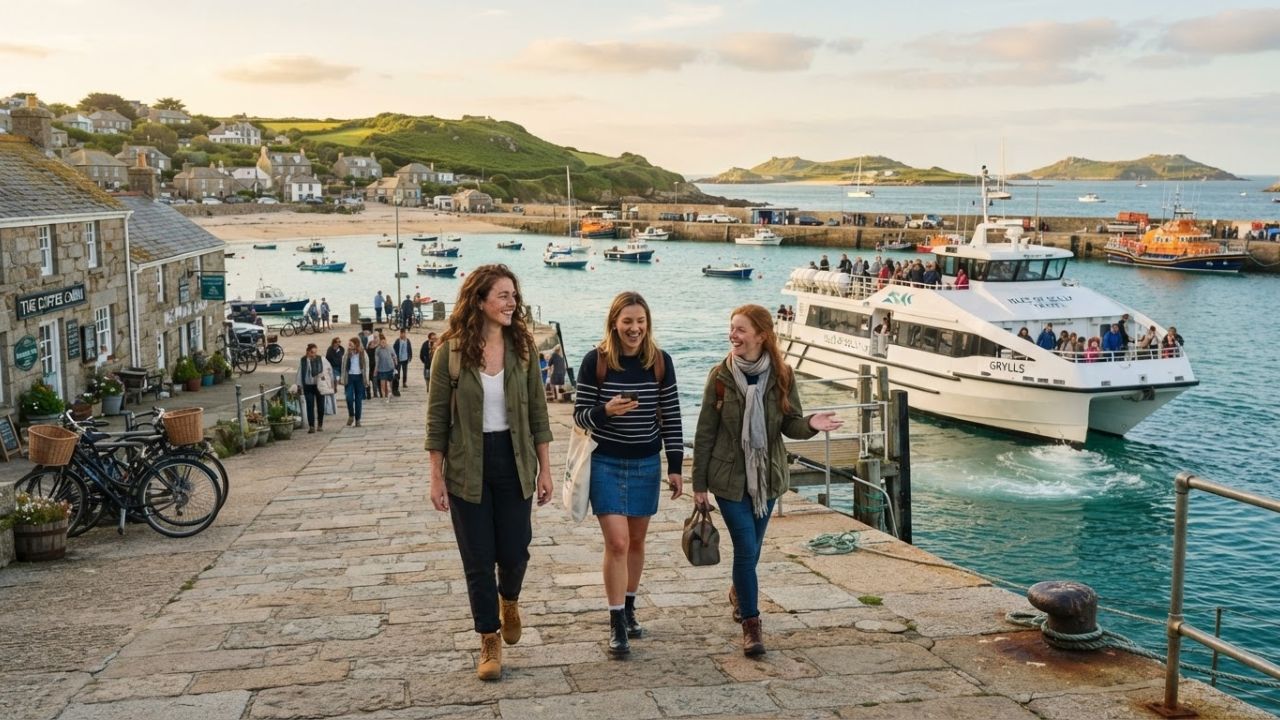
Image generated by AI
The Isles of Scilly has reached a critical stage in long-term development planning following the closure of the statutory Integrated Impact Assessment scoping consultation for the Local Plan 2026–2041 on August 14, 2026. As the Penzance-to-St Mary’s corridor prepares for a major capacity increase with the launch of the 600-passenger Scillonian IV ferry in March 2027, the archipelago is prioritizing worker housing and transport reliability over simple volume growth.
Redefining Carrying Capacity: The Isles of Scilly Local Plan 2026–2041
The regional planning framework on the Isles of Scilly is entering a vital phase. The statutory consultation on the Integrated Impact Assessment (IIA) Scoping Report ran from July 10 to August 14, 2026. Rather than presenting a completed Local Plan, this scoping process establishes the environmental, economic, and social baselines that will guide island development, land allocations, and conservation policies through 2041.
A major theme of the emerging Local Plan is the carrying capacity of the archipelago. With a resident base of approximately 2,100 people across five inhabited islands, the local infrastructure is under concentrated seasonal pressure. The scoping report evaluates how housing development, coastal erosion, renewable energy, and transport resilience intersect with a visitor-dependent economy, aiming to create a sustainable growth model.
The Economics of Tourism: High-Value Spending vs. Peak Crowds
Data from Visit Isles of Scilly incorporated into the Local Plan evidence base demonstrates the importance of tourism to the local economy. Visitors generate £35 million in annual expenditure, supporting £41 million in business turnover.
The visitor flow is substantial, totaling 115,000 trips per year. This total comprises:
- 70,000 staying trips (multi-day visitors utilizing hotels and guest houses).
- 40,000 day trips (excursionists arriving via ferry or helicopter).
- 5,000 international overseas trips.
Tourism sector jobs account for 70 per cent of local employment, and the IIA estimates that the visitor economy represents about 80 per cent of the islands' total economic activity. However, this economy is highly seasonal, concentrated between March and October, with peak demand occurring in July and August. Based on the local population, the annual visitor volume is equivalent to 55 trips for every resident, creating significant pressure on public services during the summer peak.
Worker Housing: The Critical Constraint for Island Tourism
The primary bottleneck for the islands' tourism industry is not visitor accommodation, but housing for the local workforce. The Housing and Economic Needs Assessment (HENA) commissioned by the council indicates that 55 per cent of local businesses have faced recruitment or retention difficulties due to housing costs, and 30 per cent have lost employees because of these constraints.
To address these workforce challenges, the HENA recommends planning for 90 to 120 additional dwellings over a ten-year period. These homes are designed to secure long-term accommodations for essential workers, including hospitality staff, boat crews, and emergency services personnel.
Several housing projects are currently underway to mitigate the shortage:
- A 12-plot self and custom-build housing development situated north of Old Town on St Mary's.
- Affordable-housing initiatives at Carn Thomas.
- The Duchy of Cornwall's construction of 10 essential-need homes at Telegraph on St Mary's, with completion scheduled for winter 2026.
Ensuring adequate housing for workers is vital to maintaining hospitality standards as passenger transit capacity grows.
Transport Infrastructure: The Scillonian IV Ferry and Inter-Island Links
The maritime transit corridor connecting Penzance on the Cornwall mainland to St Mary's is preparing for a significant capacity upgrade. The existing passenger ferry, Scillonian III (designed for up to 485 passengers), is scheduled to be replaced by the Scillonian IV in March 2027.
The new vessel features a passenger capacity of 600, representing an approximate 24 per cent increase in capacity. While actual passenger numbers will depend on weather, demand, and accommodation availability, the new ship creates a higher capacity baseline for the sea route. Cargo logistics have also improved with the entry into service of the Steamship Group's new freight vessel, Menawethan, on July 13, 2026, which supports the transport of construction materials and island supplies.
However, the internal transport network faces challenges. On August 5, 2026, the Council of the Isles of Scilly requested emergency support from the Department for Transport to secure winter inter-island boat services for St Agnes and St Martin's, as local boatmen warned that off-season operations were no longer financially viable. This highlights a structural challenge: while mainland passenger capacity is set to expand, year-round inter-island transit links remain financially vulnerable.
Skybus Air Services: Navigating Conflicting Flight Notices
Air travel serves as a vital link for the islands, with seasonal Skybus services operating from Exeter between March and October, alongside year-round flights from Land's End and Newquay.
Travel agents must monitor flight status notices closely. As of August 16, 2026, the official destination information page carried a notice indicating that flights between Newquay Cornwall Airport and St Mary's were suspended until August 31, 2026. However, the Isles of Scilly Travel operator's status page did not display active service advisories for the same route. Wholesalers should verify flight availability directly with the operator before booking or changing passenger itineraries.
Visitor Guide: Seafood Cafes, Boatmen Blackboards, and Fog Delays
Traveling to the Isles of Scilly involves understanding weather-related delay procedures, coordinating inter-island boat transfers, and experiencing local island cuisine. By preparing in advance, visitors can navigate the archipelago with confidence.
Sample local culinary specialties during your stay. On Bryher, visit Island Fish or the seasonal Crab Shack at the Hell Bay Hotel to taste fresh Scillonian crab and lobster harvested from the surrounding Atlantic waters. Try traditional Cornish pasties and cream teas served at cafes on St Mary's and St Agnes, and purchase fresh produce from roadside farm stalls.
Use the St Mary's Boatmen's Association services to explore the off-islands. The association operates ten passenger vessels offering daily scheduled trips to Tresco, Bryher, St Martin's, and St Agnes. Because routes are subject to weather and tides, skippers meet daily to finalize times. Check the wooden blackboards at the St Mary's quay each morning for updated schedules. Tickets can be purchased at the quay kiosk or directly on board.
Prepare for potential travel delays caused by sea fog. The islands are highly susceptible to sudden maritime fog, which can ground Skybus flights. In the event of a cancellation, passengers are rebooked on the next available flight or transferred to the Scillonian ferry if space is available. Carry comprehensive travel insurance and maintain a flexible itinerary to accommodate weather-related changes.
Future Outlook: Rebuilding Resilient Island Tourism
The long-term development of tourism on the Isles of Scilly depends on managing visitor volume in coordination with local resource preservation. The statutory Local Plan timeline includes Gateway 1 in September 2026, scoping stages from October 2026 to March 2027, draft plan preparation from April to October 2027, and formal submission in March 2028, with final adoption expected between October 2028 and March 2029.
By utilizing planning guidelines to balance transport growth with workforce housing, the council aims to protect the islands' natural beauty while supporting local businesses. This management framework helps ensure that the Isles of Scilly remains a preserved and viable destination for future generations of travelers.
Related Travel Guides
Disclaimer
This article is for informational and educational purposes only. It does not constitute legal, financial, or professional advice. While we strive to provide accurate and up-to-date information, travel policies, regulations, and conditions change rapidly. Always verify information with official sources before making travel decisions. Nomad Lawyer makes no representations about the accuracy, reliability, completeness, or suitability of the information provided. Readers should consult qualified professionals for advice specific to their circumstances. The views expressed in this article are those of the author and do not necessarily reflect the views of Nomad Lawyer.
Preeti Gunjan
Contributor & Community Manager
A passionate traveller and community builder. Preeti helps grow the Nomad Lawyer community, fostering engagement and bringing the reader experience to life.
Learn more about our team →