
Iceland Tourism Power Soars With Nearly 10% Growth in Five Months
Iceland's tourism sector records nearly 10% visitor growth from January to May 2026, driven by Arctic adventure, geothermal wellness, and volcanic interest.

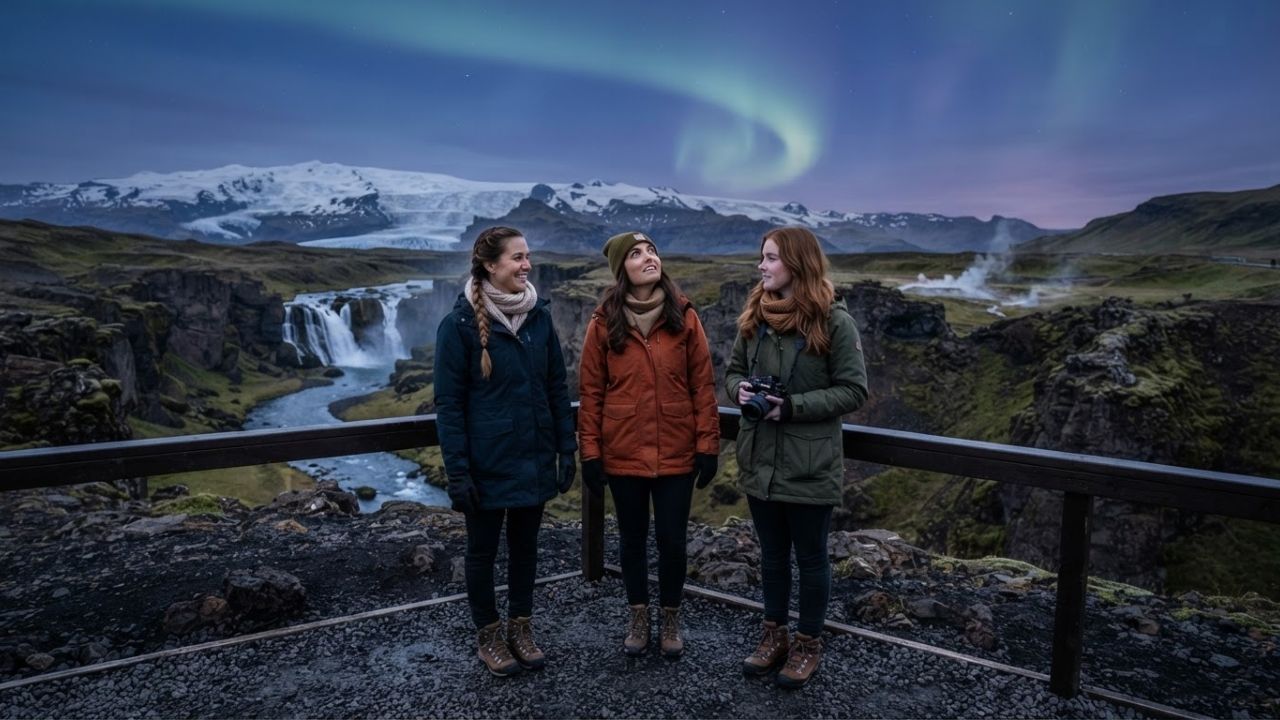
Image generated by AI
Iceland’s tourism sector has registered a growth of nearly 10% in international arrivals during the first five months of 2026, according to the latest data from the UN Tourism dashboard. This surge reflects a wider global travel trend toward Arctic exploration, geothermal wellness, and volcanic adventure, supported by regional dispersion strategies beyond Reykjavík.
The Surge in Arctic and Volcanic Exploration
The international travel sector is experiencing a transition as travelers prioritize destinations that offer pristine environments and outdoor experiences. According to the UN Tourism dashboard, tourist arrivals to Iceland increased by nearly 10 per cent during the first five months of 2026 (spanning the period from January to May 2026) compared with the same timeframe in 2025.
By promoting these off-peak seasonal travel corridors, the country's tourism department aims to spread passenger flows more evenly across the calendar. These initiatives support the development of local hospitality operators, encouraging travelers to support local rural economies. This focus on sustainable community integration ensures that tourism revenues support regional infrastructure projects, such as upgrading school facilities and community health centers.
This sustained growth demonstrates the rising demand for sub-Arctic destinations. Iceland has established a unique destination branding as the Land of Fire and Ice, leveraging its active geology and glacial environments to attract experience-seeking travelers. Unlike travel markets dependent on seasonal warm weather, the country offers experiences that are available throughout the year, including:
- The Northern Lights: A key driver for winter travel during periods of high solar activity.
- Volcanic Terrain: Rare geological opportunities to explore lava fields and active rift valleys.
- Glacial Formations: Glacier hiking, ice climbing, and exploring seasonal ice caves.
- Geothermal Springs: Natural hot springs and mineral pools that support wellness tourism.
- Coastal Fjords: Winding routes, steep cliffs, and marine wildlife watching.
By combining these attractions into integrated travel itineraries, the country has managed to smooth out historical seasonal valleys in its arrival data, encouraging more consistent visitor flows across both the winter and summer months.
Geothermal Wellness and Value-Focused Premium Travel
Iceland is expanding its tourism value by promoting geothermal wellness as a premium travel segment. The country's abundant geothermal resources provide warm mineral waters that support hot springs and luxury spa facilities.
This premium wellness sector is also supported by geothermal researchers and environmental engineers who monitor water quality and temperatures in real time. By tracking these geothermal signals, scientists can ensure that the water remains clean and safe for bathers. The integration of high-tech water treatment systems with natural geothermal pools demonstrates how technology can protect public health while preserving the natural character of these volcanic springs.
Rather than focusing solely on increasing passenger volumes, the national tourism board and regional stakeholders are promoting experiences that encourage longer stays and higher average spend. geothermally heated lagoons, such as the Blue Lagoon, Sky Lagoon, and Forest Lagoon, offer relaxation experiences surrounded by volcanic rock formations. This focus on high-quality wellness experiences attracts premium travelers who contribute directly to the hospitality economy.
This geothermal resource also supports local communities, providing heat for public swimming pools, greenhouses, and municipal district heating networks. By highlighting the connection between renewable energy and visitor experiences, the country demonstrates a tourism model integrated with local utility systems.
The Northern Lights: Winter Season Magnet
The northern lights remain a primary driver for off-season travel to Iceland. Solar activity cycles have increased the visibility of the auroral displays, attracting travelers during the darker winter months from September through April.
These winter tour networks are managed in coordination with meteorological scientists who monitor solar activity and cloud cover forecasts to predict the best viewing times. By utilizing these digital forecast tools, guides can plan search routes more effectively, improving the likelihood of a successful viewing experience. This scientific approach helps build traveler confidence, ensuring that winter visitors receive a high-quality educational experience.
This natural phenomenon has allowed the tourism sector to develop specialized travel products, including guided photography tours, night safaris, and wilderness cabin stays. By generating demand during the winter months, the northern lights help support local hotels, guesthouses, and transport operators that would otherwise experience low occupancy rates outside the summer season.
This off-season demand has also encouraged international airlines to maintain flight schedules to Keflavík International Airport throughout the winter, supporting overall connectivity and stabilizing tourism employment.
Regional Dispersion: Expanding Tourism Beyond Reykjavík
To protect its fragile sub-Arctic ecosystems and distribute economic benefits across the country, Iceland's tourism department is actively promoting regional travel alternatives:
- Westfjords: A remote region featuring steep mountains, deep fjords, and quiet fishing villages, accessible via Route 60.
- North Iceland: Home to active geothermal zones near Lake Mývatn and whale-watching centers in Húsavík.
- East Fjords: Offers quiet nature trails, scenic driving routes, and local craft communities.
- South Coast: Celebrated for iconic waterfalls like Seljalandsfoss and black sand beaches near Vik.
Regional development projects aim to improve roads, visitor facilities, and safety signage in less-visited areas. By encouraging travelers to explore beyond the classic Southwest region, the country manages visitor density and ensures that rural communities benefit directly from the tourism economy.
Visitor Guide: Local Specialties, Hot Spring Etiquette, and Safety Portals
A comfortable and safe trip to Iceland involves planning for changing weather conditions, observing local hygiene rules, and tasting regional culinary specialties. By preparing in advance, travelers can enjoy a secure vacation.
Sample traditional Icelandic culinary specialties during your stay. Order Plokkfiskur, a traditional fish stew made with boiled cod or haddock, potatoes, onions, and a thick white flour and milk sauce, served with buttered rye bread (rúgbrauð). Savor fresh Arctic char and traditional lamb soup (Kjötsúpa) prepared with root vegetables, and enjoy Skyr, a high-protein dairy product served with fresh berries.
Observe strict hot spring hygiene rules. Before entering any public geothermal pool or lagoon, you must shower thoroughly, naked and without a swimsuit, using the provided soap. Icelandic pools use minimal chlorine, relying on the personal cleanliness of bathers to maintain water quality. When visiting primitive natural hot springs in the wilderness, do not use soaps or shampoos, as they can damage delicate local plants and water systems.
Verify road and weather conditions frequently before departing. When driving through remote regions like the Westfjords, check the official road.is and safetravel.is portals multiple times a day. Many mountain passes and gravel roads are narrow, unpaved, and subject to sudden closures due to wind, ice, or rockfalls. Rent a four-wheel-drive vehicle if traveling outside the summer months.
Observe environmental regulations to protect fragile ecosystems. Do not step on or walk over volcanic moss, as it is highly delicate and takes decades to recover from damage. Stick to marked walking paths, obey safety barriers at waterfalls and black sand beaches, and carry out all trash.
Future Outlook: Rebuilding Sustainable Arctic Corridor Management
The future of tourism in Iceland depends on maintaining a balance between visitor volume and environmental preservation. As international traveler demand for nature-based travel continues to grow, Visit Iceland is implementing management systems to monitor carrying capacity at popular sites.
Sustainable developments include installing electric vehicle charging networks along the Ring Road, upgrading waste treatment facilities in rural municipalities, and constructing elevated wooden boardwalks to protect fragile soils. By utilizing smart infrastructure upgrades to protect its natural resources, Iceland aims to secure a sustainable future for its tourism sector, preserving its wilderness for future generations of global travelers.
Related Travel Guides
Disclaimer
This article is for informational and educational purposes only. It does not constitute legal, financial, or professional advice. While we strive to provide accurate and up-to-date information, travel policies, regulations, and conditions change rapidly. Always verify information with official sources before making travel decisions. Nomad Lawyer makes no representations about the accuracy, reliability, completeness, or suitability of the information provided. Readers should consult qualified professionals for advice specific to their circumstances. The views expressed in this article are those of the author and do not necessarily reflect the views of Nomad Lawyer.
Kunal K Choudhary
Co-Founder & Contributor
A passionate traveller and tech enthusiast. Kunal contributes to the vision and growth of Nomad Lawyer, bringing fresh perspectives and driving the community forward.
Learn more about our team →