
Lancaster County Blends Amish Heritage, Farm Escapes, and Historic Breaks
Explore Lancaster County in Pennsylvania Dutch Country. Discover slow-paced Amish heritage, farm-fresh culinary specialties, and Lancaster City's rich history.

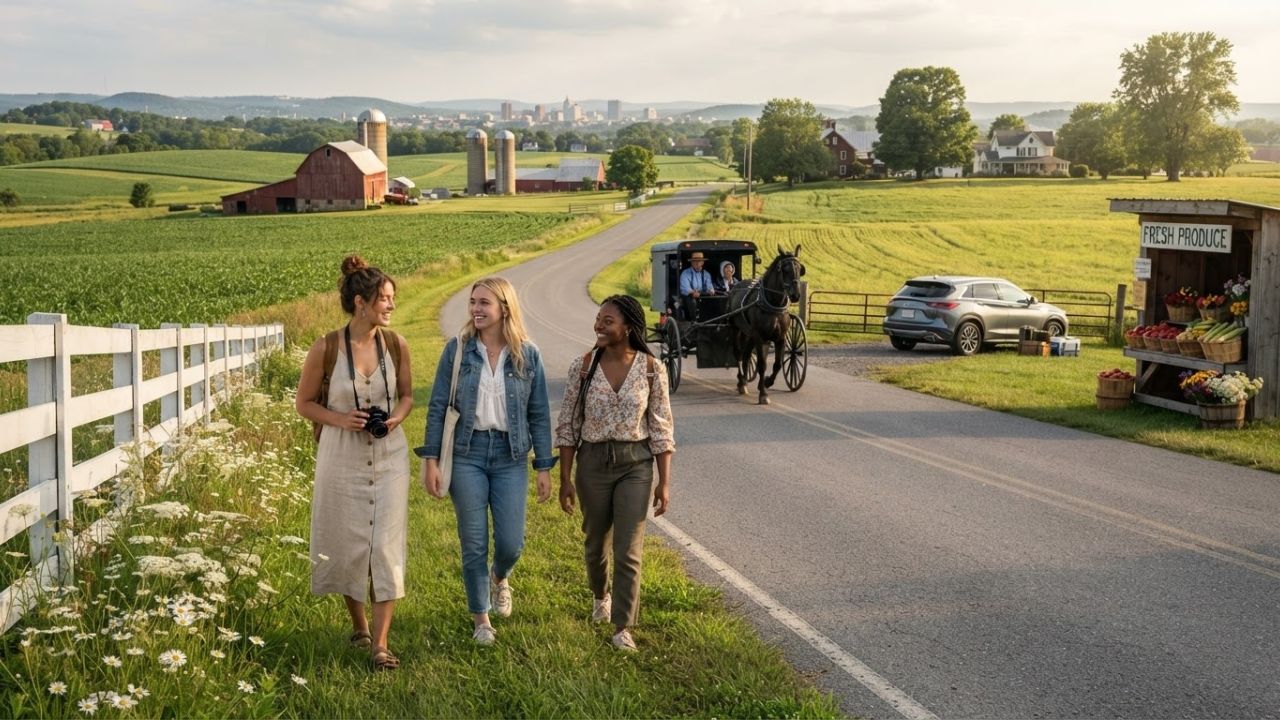
Image generated by AI
Lancaster County in Pennsylvania Dutch Country offers a slow-paced agricultural escape just under a three-hour drive from New York City. Established in 1729, this region preserves the traditions of one of the nation's oldest Amish communities while offering historic urban contrasts in Lancaster City, which served as the national capital for a single day in 1777.
Pennsylvania Dutch Country: A Slow Travel Alternative
The tourism sector in southeastern Pennsylvania is experiencing a transition as travelers seek out slow travel experiences close to major northeastern hubs. Established in 1729, Lancaster County is a central part of Pennsylvania Dutch Country, a region recognized for its distinctive cultural traditions and agricultural heritage. Located along the Susquehanna River, the county's countryside features historic river communities and extensive rolling farmlands.
This proximity to the East Coast's major cities allows travelers to plan spontaneous weekend trips without the need for extensive flight reservations. For the urban resident, the transition from the concrete environment of New York City to the quiet country roads of Lancaster County offers an immediate sensory change, encouraging visitors to slow down and adopt the local pace.
For visitors arriving from New York City, the driving distance of just under three hours makes the county a practical choice for a weekend escape. The destination can be experienced as a quiet countryside retreat, a historic exploration, or a combination of rural and urban experiences, depending on traveler preferences.
The county's agricultural character remains central to its modern identity. Family-owned farms, roadside produce stands, and local farmers' markets provide opportunities to experience a food culture that is closely connected to the land. Sourcing seasonal produce and locally made specialties directly from the growers allows visitors to understand how the region's fertile soil shapes its culinary traditions.
Amish Cultural Heritage and Countryside Buggy Rides
Lancaster County is home to one of the largest and oldest Amish communities in the United States. Amish heritage is a significant part of the region's identity, but visitors should approach these communities with respect, recognizing that they are living communities rather than attractions designed for entertainment.
Exploring the countryside via traditional horse-and-buggy rides provides an accessible way to learn about the region's rural traditions. Visitors can purchase handmade crafts, furniture, and agricultural products directly from Amish-owned businesses throughout the county. This economic interaction supports the local community directly and helps preserve traditional craftsmanship.
Rather than traveling between crowded commercial attractions, visitors are encouraged to travel through the farmland at a measured pace. Exploring small unincorporated communities and supporting independent businesses allows travelers to experience a slower pace of life, making the journey itself a key part of the weekend.
Farmland Flavors: Smoked Pretzels, Baked Goods, and Stroopwafels
Gastronomy is a major draw for visitors planning a Lancaster County weekend. The region's agricultural economy provides direct access to fresh ingredients and traditional Pennsylvania Dutch specialties.
Local bakeries and market stands offer a variety of distinctive flavors, including:
- Soft Pretzels: Hand-rolled and baked daily, often served warm with local mustard.
- Shoofly Pie: A traditional dessert made with a rich molasses base and a crumbly streusel topping.
- Chow-Chow: A sweet and sour pickled vegetable relish featuring a colorful mix of seasonal vegetables.
- Stroopwafels: Thin waffle layers filled with sweet caramel syrup, reflecting the region's diverse baking heritage.
Visiting farm shops and regional markets allows travelers to purchase seasonal fruits, vegetables, cheeses, and meats directly from the producers. This direct connection between agriculture and dining provides a clear contrast to typical urban dining experiences, emphasizing the value of sustainable food systems.
Lancaster City: Historic Architecture and the Single-Day Capital
While the surrounding county is defined by its agricultural land, Lancaster City provides an urban contrast. The city combines preserved historic architecture with contemporary businesses, dining venues, and art galleries.
The city's historic brick buildings reflect its long history, while modern boutiques and locally operated restaurants contribute to a contemporary visitor experience. This layout allows travelers to transition from rural heritage tours to urban shopping and dining within a short drive.
Lancaster also occupies a unique place in American history. In 1777, during the American Revolutionary War, the Continental Congress fled Philadelphia as British forces advanced. The Congress relocated to Lancaster, making the city the national capital for a single day on September 27, 1777, before moving further west to York. Visitors can explore this history at local historic sites and museums in the downtown district.
Responsible Tourism Guidelines: Respecting the Plain Communities
Responsible travel practices are essential when visiting regions with unique cultural heritages. Travelers can help preserve Lancaster County's character by observing several local guidelines:
- Respect Privacy: Do not photograph or film Amish individuals, as their religious beliefs prohibit personal images. Avoid entering private property or school yards.
- Drive Cautiously: Watch for slow-moving horse-drawn buggies on rural roads, particularly near hills and curves. Maintain a safe following distance and pass only when there is a clear view of oncoming traffic.
- Support Local Businesses: Purchase goods directly from farm stands and local craft shops to ensure that tourism revenues support the families who live in the region.
- Observe Sunday Closures: Many Amish-owned businesses and local shops are closed on Sundays due to religious observance. Plan your shopping and touring activities for Friday and Saturday.
By observing these guidelines, visitors ensure that their presence has a positive impact on the local community.
Visitor Guide: Central Market Dining and Strasburg Steam Trains
A successful visit to Lancaster County involves exploring historic markets, utilizing regional transport attractions, and coordinating travel logistics. By planning ahead, travelers can maximize their weekend experience.
Savor regional dishes at the historic Lancaster Central Market. Located in the heart of Lancaster City, this market is one of the oldest continuously operating public markets in the United States. Try Wendy Jo's Homemade for fresh shoofly pie, and purchase local chow-chow, apple butter, and artisanal cheeses from regional farm stands.
Experience the heritage of steam rail travel in the town of Strasburg. Book a scenic 45-minute ride on the Strasburg Rail Road, the oldest continuously operating standard-gauge railroad in the western hemisphere, which takes passengers through working Amish farms. Afterward, visit the Railroad Museum of Pennsylvania, located directly across the street, to view historic locomotives.
For families traveling with young children, add Dutch Wonderland to your itinerary. This family-oriented amusement park offers rides and entertainment tailored for younger visitors, complementing the county's cultural and natural attractions.
Explore the natural preserves managed by the Lancaster Conservancy. These protected forests and waterways offer hiking trails and scenic overlooks along the Susquehanna River, providing a quiet nature escape. Keep emergency contacts handy, and follow Leave No Trace principles when hiking in these sensitive natural zones.
Future Outlook: Preserving Farmland and Cultural Integrity
The future of tourism in Lancaster County depends on preserving its agricultural land and supporting local communities. The Lancaster County Agricultural Land Preservation Board and local conservation trusts are working to protect working farms from suburban development.
Sustainable initiatives include establishing conservation easements on historic farms, promoting regenerative agriculture, and managing visitor flows to prevent overcrowding in sensitive rural areas. By balancing economic growth with cultural preservation, Lancaster County aims to maintain its agricultural heritage and unique community identity for future generations of residents and travelers.
Related Travel Guides
Disclaimer
This article is for informational and educational purposes only. It does not constitute legal, financial, or professional advice. While we strive to provide accurate and up-to-date information, travel policies, regulations, and conditions change rapidly. Always verify information with official sources before making travel decisions. Nomad Lawyer makes no representations about the accuracy, reliability, completeness, or suitability of the information provided. Readers should consult qualified professionals for advice specific to their circumstances. The views expressed in this article are those of the author and do not necessarily reflect the views of Nomad Lawyer.
Preeti Gunjan
Contributor & Community Manager
A passionate traveller and community builder. Preeti helps grow the Nomad Lawyer community, fostering engagement and bringing the reader experience to life.
Learn more about our team →