
The Trend of Forbidden Travel: Why the World's Most Fragile Wonders Remain Off-Limits
Some of the world's most mysterious places, from Surtsey Island to Brazil's Snake Island, remain strictly off-limits to protect fragile ecosystems.
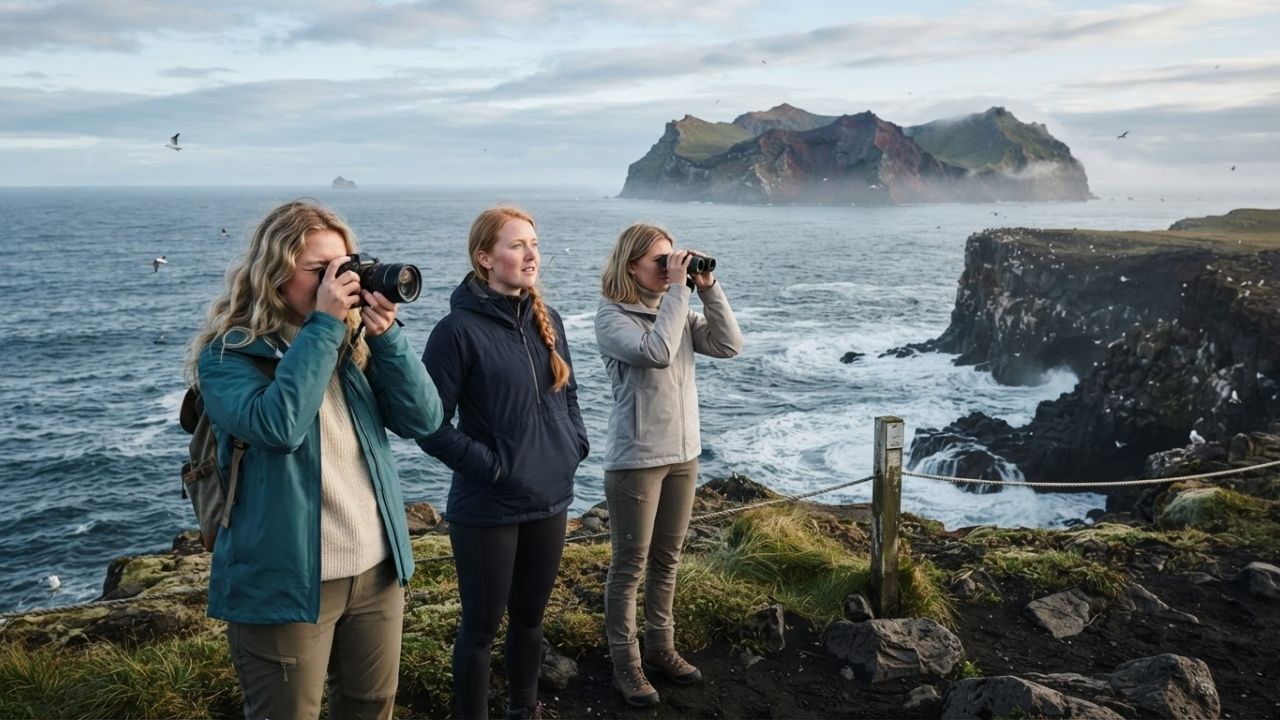
Image generated by AI
A growing movement in global conservation is designating fragile ecosystems and historical wonders as strictly off-limits, blocking tourists to protect biodiversity and cultural heritage. From Surtsey Island's volcanic laboratory to the prehistoric cave paintings of Lascaux, these restricted sanctuaries show that protecting history requires preventing access.
Surtsey Island: Iceland's Untouched Volcanic Laboratory
Rising from the North Atlantic Ocean near Iceland’s southern coast, Surtsey Island represents one of the rarest geological experiments on Earth. The island was created between 1963 and 1967 following a powerful underwater volcanic eruption that pushed new land above the ocean surface. Unlike traditional natural attractions that developed over thousands of years, Surtsey offers scientists a unique opportunity to observe how ecosystems develop on entirely new terrain.
The volcanic island was declared a UNESCO World Heritage site due to its exceptional scientific value, allowing researchers to study how plants, insects, fungi, and seabirds establish themselves without direct human influence. Surtsey acts as a pristine natural laboratory where scientists can examine ecological colonization from the very beginning. By keeping Surtsey free from tourists, scientists can ensure that the arrival of every new seed or insect is entirely natural, providing a pure record of how ecosystems establish themselves on fresh volcanic land. To preserve this untouched environment, public access is strictly prohibited. Even minor traces introduced by visitors, such as seeds or bacteria, could disrupt the island’s natural evolution. Only approved scientific researchers are allowed to land on Surtsey after receiving special permits from the Surtsey Research Society and the Icelandic Environment Agency.
Ilha da Queimada Grande: Brazil's Forbidden Snake Sanctuary
Located approximately 33 kilometers off Brazil’s southeastern coastline, Ilha da Queimada Grande appears like a tropical paradise covered in dense vegetation. However, behind its attractive appearance lies one of the most dangerous wildlife environments on Earth. The island is famous as the only natural home of the golden lancehead viper, a critically endangered snake species found nowhere else.
Separated from mainland Brazil after rising sea levels thousands of years ago, the island’s snake population evolved independently. Without mainland predators and with limited food sources, these vipers developed highly potent venom to hunt migrating birds. The concentration of venomous snakes and the risks involved in human encounters led the Brazilian government to ban ordinary visitors from entering the island. Access is limited to authorized researchers and conservation professionals who must obtain special permits from ICMBio, the federal conservation body, ensuring that this rare species is protected from illegal poaching and habitat disruption.
Lascaux Caves: Preserving France's Prehistoric Art
Deep beneath the hills of southwestern France lies one of humanity’s greatest archaeological treasures. The original Lascaux Caves contain hundreds of prehistoric paintings and thousands of engravings created around 17,000 years ago by early humans. The artwork, discovered in 1940, displays remarkable details of ancient animals, including horses, deer, and cattle, transforming our understanding of prehistoric creativity.
However, the popularity of the site created a serious conservation problem. Thousands of visitors entering the caves each day changed the delicate underground environment. Increased carbon dioxide levels, body heat, humidity, and outside microorganisms introduced by tourists began damaging the ancient paintings, triggering mold growth and mineral changes. To protect this irreplaceable heritage, French authorities permanently closed the original caves to the public in 1963. These replicas, built using 3D laser scans of the original cave walls, allow visitors to see the precise placement of every animal carving without introducing heat or humidity to the original site. Today, the French Ministry of Culture restricts access to the original cave to a small number of conservation experts, directing tourists to highly detailed replicas, such as Lascaux IV, to experience the artwork without harming the original paintings.
Protected Frontiers: North Sentinel and Heard Islands
Surrounded by the waters of the Bay of Bengal, North Sentinel Island is home to the Sentinelese people, one of the world’s last uncontacted indigenous communities. The Sentinelese have maintained isolation from the outside world for thousands of years, rejecting outside contact. The Indian government enforces a strict exclusion zone around the island, preventing unauthorized boats and visitors from approaching. This policy protects the Sentinelese from modern diseases to which they have no immunity and respects their self-determination.
Similarly, Heard Island, located in the remote Southern Ocean southwest of Australia, remains an untouched wilderness dominated by Mawson Peak, a 2,745-metre active volcano covered with glaciers. The island's extreme isolation has helped preserve unique ecosystems free from invasive species. Access is strictly controlled through scientific permits issued by the Australian Antarctic Division, ensuring that even minor environmental changes are prevented.
Poveglia Island and the Venetian Lagoon's Restricted Ruins
Located in the Venetian Lagoon between Venice and Lido, Poveglia Island carries a history associated with quarantine stations and medical facilities. The small island once served as a quarantine station during periods of plague outbreaks and was later used as a psychiatric hospital before its closure in 1968.
Today, abandoned buildings and overgrown gardens cover the island, which remains closed to the public. Italian authorities restrict access due to safety concerns linked to deteriorating structural ruins. Although the island attracts curiosity due to its abandoned appearance, unauthorized tourism poses serious safety risks and threatens the preservation of the historical structures, highlighting how safety and preservation go hand in hand.
Visitor Guide: Immersive Replicas and Responsible Travel Gateways
Experiencing these restricted wonders responsibly involves exploring authorized replicas, supporting gateway economies, and respecting environmental bans. By choosing sustainable travel alternatives, visitors can satisfy their curiosity while protecting fragile destinations.
Rather than trying to access restricted zones, visit world-class replica centers that recreate these wonders. Book tickets in advance for Lascaux IV in the Dordogne region of France, which offers an immersive replica of the prehistoric cave art, using digital tablets to guide visitors through the history of the site. When traveling near Venice, explore the historic city center and enjoy authentic local dishes rather than attempting to hire private boats to Poveglia Island.
When dining in the Dordogne region near the Lascaux replicas, try Confit de Canard, a traditional dish of duck legs slow-cooked in their own fat until tender and seared until the skin is crispy, classically served with potatoes fried in duck fat. In Venice, visit a traditional bacaro in the Cannaregio district to try Sarde in Saor, a classic Venetian antipasto of fried sardines marinated in a sweet-and-sour onion, vinegar, pine nut, and raisin sauce, served alongside local wine.
Observe strict eco-tourism protocols when visiting accessible natural sites in Iceland or Australia. Stay on marked walking trails to prevent soil erosion, pack out all trash, and respect local wildlife boundaries. Never operate recreational drones near restricted islands or sensitive national parks, as this violates conservation laws and disturbs nesting bird populations.
Future Outlook: Digital Heritage and the Protection of Wilderness
The future preservation of the world's most mysterious places depends on balancing public curiosity with strict conservation measures. As overtourism continues to place pressure on fragile environments, restricting access will remain a vital tool for protecting biodiversity and cultural heritage.
By investing in high-resolution digital documentation, 3D mapping, and virtual reality exhibits, conservation bodies can share these wonders with the public without causing physical damage. This trend toward virtual travel and digital heritage allows humanity to appreciate its prehistoric past and the planet's remaining wildernesses while ensuring that these treasures are preserved for future generations to study and enjoy.
Related Travel Guides
Disclaimer
This article is for informational and educational purposes only. It does not constitute legal, financial, or professional advice. While we strive to provide accurate and up-to-date information, travel policies, regulations, and conditions change rapidly. Always verify information with official sources before making travel decisions. Nomad Lawyer makes no representations about the accuracy, reliability, completeness, or suitability of the information provided. Readers should consult qualified professionals for advice specific to their circumstances. The views expressed in this article are those of the author and do not necessarily reflect the views of Nomad Lawyer.