
Iran Presents Climate-Resilient Eco-Village Tourism Models at COMCEC Summit in Ankara
Iran showcases Soheili and Shafiabad eco-villages at the 27th COMCEC meeting in Ankara, setting global benchmarks for mangrove preservation and qanat restoration.

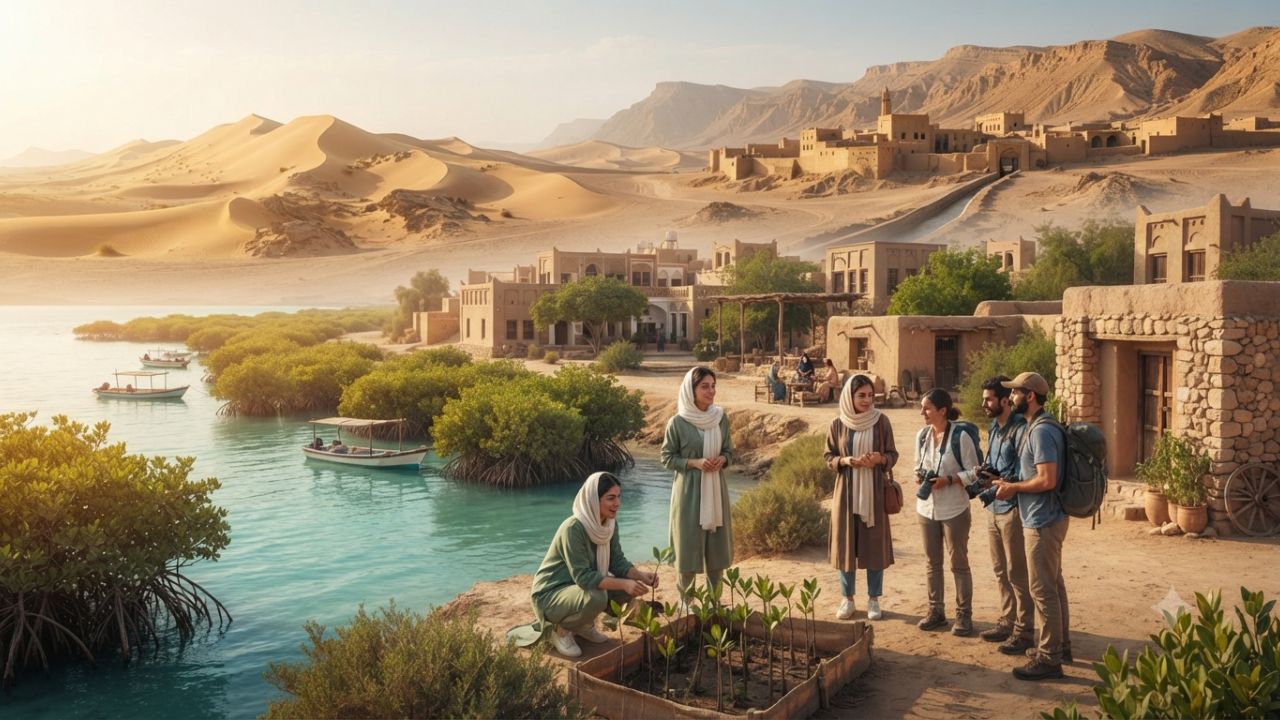
Image generated by AI
Iran presented two community-based eco-village case studies at the 27th Meeting of the COMCEC Tourism Working Group in Ankara, establishing new benchmarks for climate-resilient and sustainable destination management. Delegates from Organisation of Islamic Cooperation (OIC) member states reviewed environmental initiatives from Soheili village on Qeshm Island and Shafiabad village near Kerman, both of which earned spots on the UN Tourism Best Tourism Villages list in 2025.
COMCEC Summit and UN Tourism Eco-Village Benchmarks
At the Ankara summit organized by the COMCEC Standing Committee of the OIC, international tourism ministers, environmental non-governmental organizations, and policy experts examined strategies to insulate vulnerable rural destinations from climate change impacts.
Iranian delegates from the Ministry of Cultural Heritage, Tourism and Handicrafts of Iran presented detailed operational metrics from Soheili and Shafiabad. The presentations demonstrated how community-owned eco-lodges, traditional water conservation techniques, and direct revenue reinvestment protect fragile ecosystems while creating employment for local residents.
The case study findings will formulate strategic policy recommendations for formal adoption during the upcoming 42nd COMCEC Ministerial Session, supporting sustainable tourism frameworks across member states.
Coastal Mangrove Protection and Desert Water Conservation
Iran’s presentation detailed two contrasting environmental conservation models in coastal and arid zones:
- Soheili Village (Qeshm Island Mangrove Conservation): Situated near the Hara Biosphere Reserve in Hormozgan Province, Soheili has developed a marine eco-tourism model. To protect delicate coastal ecosystems, the village replaced conventional motorboats with electric and low-emission vessels for guided tourist excursions. Local residents plant approximately 200,000 mangrove seedlings annually as part of community reforestation. The village operates over 40 eco-lodges, generating direct employment for hundreds of local residents, with active leadership roles for women and youth.
- Shafiabad Village (Lut Desert Qanat Restoration): Located on the perimeter of the UNESCO-listed Lut Desert (Dasht-e Lut) in Kerman Province, Shafiabad utilizes tourism earnings for water conservation. A women-led handicraft cooperative directs a portion of handicraft and desert tour revenues to repair and maintain damaged qanats—ancient underground aqueduct channels essential for desert agriculture and human settlement.
Recognized globally by UN Tourism (UNWTO), both destinations demonstrate how rural communities can harness visitor spending to protect natural heritage against rising temperatures and regional water scarcity.
Eco-Village Environmental Specifications & Community Metrics
| Eco-Village Destination | Ecosystem / Regional Focus | Core Conservation Initiative | Community & Accommodation Metrics |
|---|---|---|---|
| Soheili Village (Qeshm Island) | Coastal Mangrove & Marine Biosphere | 200,000 mangrove seedlings planted annually; low-emission tour boats | 40+ licensed eco-lodges; direct employment for hundreds of residents |
| Shafiabad Village (Kerman) | Arid Desert & Lut Oasis Gateway | Women-led qanat (underground aqueduct) restoration & water management | Community handicraft cooperative; desert eco-stay & cultural tours |
Traveler Logistics & Iranian Eco-Village Access Guide
Navigating travel to Soheili village on Qeshm Island and Shafiabad near Kerman requires specific transport and visa preparation:
- Qeshm Island (Soheili Village) Transit Routes: International travelers can reach Qeshm Island via Qeshm International Airport (GSM) or by taking passenger ferries from Shahid Haghani Port in Bandar Abbas to Qeshm City (a 45-minute crossing). Soheili village is located approximately 60 kilometers west of Qeshm City and can be reached via local taxi or eco-lodge transfers.
- Shafiabad & Lut Desert Transit (Kerman): Travelers visiting Shafiabad should fly into Kerman Airport (KER) or travel via high-speed rail from Tehran to Kerman. From Kerman city, Shafiabad is accessible via the Shahdad highway (approximately 100 kilometers / 1.5 hours by road). A 4x4 vehicle is required for travelers venturing beyond Shafiabad into the Lut Desert kaluts (yardang rock formations).
- Eco-Lodge Reservation Protocols: Eco-lodges in Soheili and Shafiabad feature traditional architecture with earthen plaster, local textiles, and floor-seating dining. Visitors should book stays at least 30 days in advance during the primary autumn-to-spring travel window (October through April).
- Visa Formalities & Tourist Authorizations: Most international visitors require a tourist visa prior to arrival, which can be secured through official e-Visa portals or authorized Iranian travel agencies. Visa-on-arrival is available at major international airports for eligible passport holders.
Replicable Policy Models for Global Rural Tourism
The integration of local economic incentives with environmental restoration at Soheili and Shafiabad provides a model for sustainable tourism worldwide. By directing tour operator revenues directly into mangrove planting and aqueduct repair, Iran demonstrates that rural travel can actively restore ecosystems rather than strain local resources.
As climate volatility affects global travel destinations, community-led models that preserve cultural heritage and natural resources remain essential to the future of sustainable tourism.
Frequently Asked Questions: Iran Eco-Village Tourism 2026
Which Iranian villages were presented at the 27th COMCEC meeting in Ankara? Iran presented Soheili village on Qeshm Island and Shafiabad village in Kerman province as models of climate-resilient community tourism.
What environmental conservation project is underway in Soheili village? Soheili village plants 200,000 mangrove seedlings annually, operates quiet low-emission tour boats, and hosts visitors across more than 40 eco-lodges.
How does Shafiabad village use tourism revenue for water conservation? A women-led community group in Shafiabad directs a portion of handicraft and tourism income toward restoring ancient underground qanat water channels.
What is the best time of year to visit Qeshm Island and the Lut Desert villages? The optimal travel window is between October and April, when desert and coastal temperatures are mild.
Related Travel Guides
- Tourism Growth: Laos Reports 36% Rise in Japanese Arrivals
- Tourism Indonesia Saudi Arabia: Garuda, Emirates Navigate March 2026 Flight Crisis
- Albania Tourism Faces 0.7% Slump Amid Global Energy Crisis and US-Iran Conflict: How Strait of Hormuz Tensions and Rising Oil Prices Are Squeezing Balkan Arrivals and Redrawing the Mediterranean Travel Map
Disclaimer
This article is for informational and educational purposes only. It does not constitute legal, financial, or professional advice. While we strive to provide accurate and up-to-date information, travel policies, regulations, and conditions change rapidly. Always verify information with official sources before making travel decisions. Nomad Lawyer makes no representations about the accuracy, reliability, completeness, or suitability of the information provided. Readers should consult qualified professionals for advice specific to their circumstances. The views expressed in this article are those of the author and do not necessarily reflect the views of Nomad Lawyer.
Kunal K Choudhary
Co-Founder & Contributor
A passionate traveller and tech enthusiast. Kunal contributes to the vision and growth of Nomad Lawyer, bringing fresh perspectives and driving the community forward.
Learn more about our team →