
Tourism Growth: Laos Reports 36% Rise in Japanese Arrivals
Laos welcomes 23,133 Japanese visitors in H1 2026, marking a 36% rise driven by joint marketing and World Expo promotions.

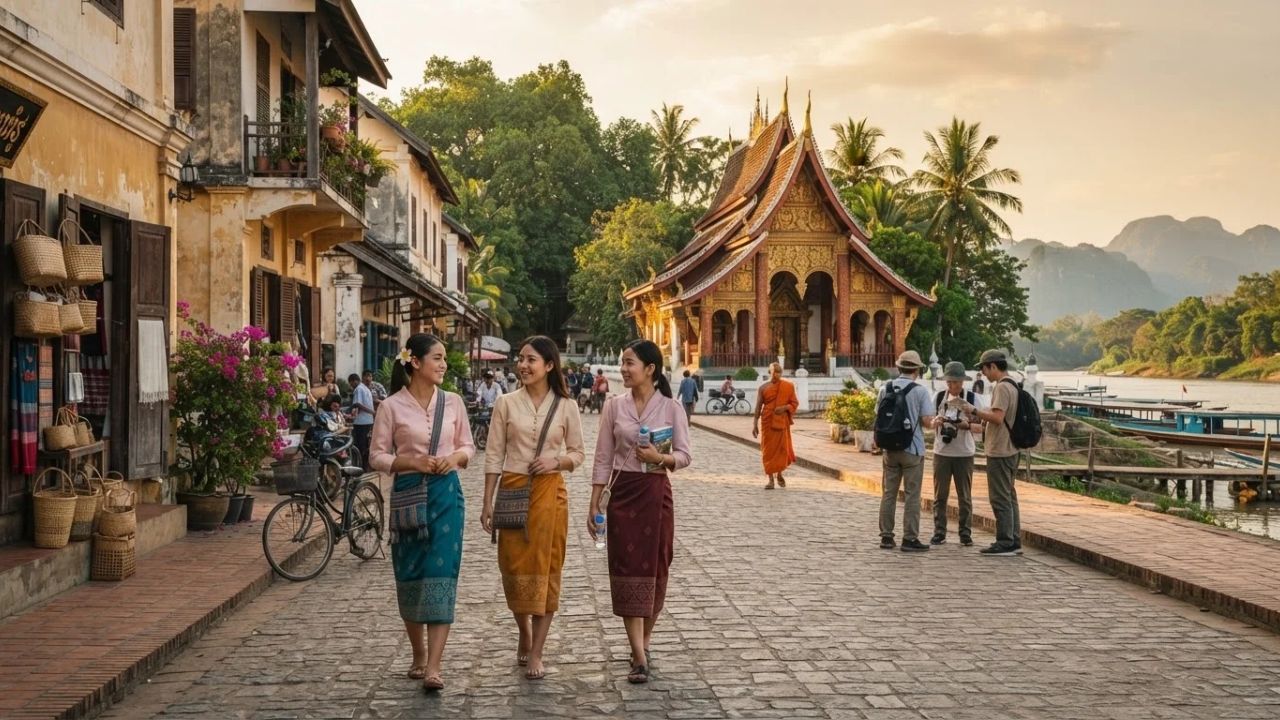
Image generated by AI
Laos welcomes 23,133 Japanese visitors in H1 2026, marking a 36% rise driven by joint marketing and World Expo promotions. The Ministry of Information, Culture and Tourism indicates that experiential heritage campaigns in Luang Prabang and Vientiane coordinates visitor arrivals to achieve a 6 million target.
The Transition of Cultural Destinations into Eco-Aware Heritage Hubs
A significant trend in Southeast Asian travel is the transition of heritage destinations from passive sight-seeing spots into active, eco-aware cultural hubs. Historically, regional tourism ministries prioritized high-volume, tour-group transit packages, resulting in visitor congestion around historic temples and minimal direct spending in local villages. In 2026, conservation bodies implement community-based itineraries, connecting international travelers with local weavers, organic farmers, and heritage preservation workshops to keep travel spending within the regional economy.
By integrating cultural exchange with sustainable travel options, destinations improve the visitor experience while protecting historic architecture. This model supports regional transport networks, local guide guilds, and traditional family businesses.
Japanese Visitor Volume and Historical Recovery
The Japanese market shows a consistent growth trajectory:
- First-Half 2026 Volume: Welcomed 23,133 Japanese visitors (a 36 percent / 36% increase over the same period in 2025).
- Historical Growth Trend:
- 2022: 6,848 arrivals.
- 2023: 24,824 arrivals.
- 2024: 28,966 arrivals.
- 2025: 33,743 arrivals.
- Total H1 2026 International Arrivals: Reached nearly 2.6 million (a 9.9 percent year-on-year increase).
- Total 2025 Inbound Volume: Recorded 4,580,709 arrivals.
- Annual Inbound Target (2026): Set between 5 million and 6 million (5 million and 6 million) international visitors.
- Leading Source Markets: Thailand, China, and Vietnam remain the primary regional contributors.
These metrics show that targeted campaigns in Japan are successfully rebuilding international travel demand.
Promotional Partnerships and Cultural Festivals
Key marketing initiatives support Laos's visibility in Japan:
- World Expo 2025 Platform: Highlighted Laos's natural assets and cultural sites during the international event in Osaka.
- Tourism Agreement Renewal: A cooperative marketing agreement was renewed on 17 August 2026 to develop joint programs with Japanese travel agencies and universities.
- Laos Festival in Tokyo: The annual cultural promotion event took place on 23 and 24 May 2026, showcasing traditional music and textiles.
- Key Destination Hubs: Luang Prabang and Vientiane serve as the primary gateways for heritage and nature-based itineraries.
These activities allow the country to build long-term relationships with Japanese study groups, travel advisors, and cultural explorers.
Laos Inbound Tourism Coordinates
The table below breaks down the visitor source markets, first-half arrival numbers, key growth factors, primary destination hubs, regional partners, and coordinating ministries recorded on August 23, 2026:
| Inbound Source Market | H1 2026 Arrival Figures | Key Inbound Growth Factor | Primary Destination Hub | Regional Partner | Coordinating Ministry |
|---|---|---|---|---|---|
| Japanese tourists | 23,133 arrivals | 36% year-on-year rise | Luang Prabang heritage | ASEAN-Japan Centre | Ministry Information & Culture |
| Total international | Nearly 2.6M visitors | 9.9% overall recovery rate | Vientiane capital tours | World Expo Osaka | Luang Prabang Heritage Office |
| Thailand & China | Leading regional volume | Highway & railway links | Border crossing zones | Lao State Railways | Vientiane Tourism Board |
These coordinates outline the markets, arrivals, factors, hubs, partners, and ministries established for the inbound program.
Resource Stewardship and Eco-Aware Heritage Travel
For the traveler, the benefit of choosing community-based homestays in Luang Prabang is the direct financial support of local families, helping preserve traditional Lao wooden architecture. Utilizing the Lao-China railway for transit between Vientiane and northern provinces minimizes the carbon footprint of overland travel.
Additionally, respecting the local Alms Giving ceremony (Tak Bat) by purchasing offerings from local street vendors supports community economies. Carrying reusable cotton bags when visiting morning food markets reduces plastic waste in river heritage districts.
For comparison, you can explore the changing dynamics of Stimulus Launch: Taiwan Unveils Billion-Dollar Repeat Visitor Rewards to see how destinations promote visitor spend. For transit updates, comparing travel scheduling matches other networks, such as Tourism Growth: Switzerland Leverages $960B GDP Economy updates. This trend is similar to the tourism growth seen in other destinations, as detailed in our guide on the Hacienda Heights Bus Fire Transport Safety regulations.
Visitor Insider Tips: Navigating Laos Heritage Safely
If you are planning to travel to Laos, keep these practical tips in mind:
- Book Railway Tickets in Advance: Reserve seats on the Vientiane-Luang Prabang train several days before departure, as tickets sell out quickly.
- Observe Tak Bat Etiquette: Stand at a respectful distance during the morning alms-giving ceremony, dress modestly, and avoid blocking the path of the monks.
- Explore Local Craft Villages: Visit Ban Phanom or Ban Xang Khong near Luang Prabang to buy handmade silk and mulberry paper directly from weavers.
- Confirm Visa-Free Entry Rules: Check current tourist visa guidelines for your passport, as many nationalities can obtain a visa on arrival at international airports.
- Stay Hydrated with Local Drinks: Drink bottled or filtered water and sample traditional Lao herbal teas at family-run cafes in Vientiane.
Long-Term Outlook for Laos's Tourism Infrastructure
The long-term outlook for transit in Laos is focused on expanding regional passenger rail routes, constructing solar-powered bus depots in Vientiane, and implementing automated electronic visa check systems at land borders. As international visitor arrivals continue to grow, regional planning offices and environmental boards will cooperate to maintain sustainable travel standards.
By developing sustainable transit options and protecting rural ecosystems, the tourism sector aims to build a sustainable transport network.
FAQ
How many Japanese tourists visited Laos in the first half of 2026?
Laos welcomed 23,133 Japanese visitors between January and June of 2026, marking a 36% increase over the same period last year.
What are the main cultural destinations in Laos?
Luang Prabang (a UNESCO World Heritage site) and the capital city Vientiane remain the primary hubs for cultural and heritage tourism.
What was the total international visitor volume in H1 2026?
Laos recorded nearly 2.6 million international arrivals during the first six months of 2026, representing a 9.9% year-on-year increase.
How did Laos promote its tourism in Japan?
Laos promoted its attractions through destination campaigns at World Expo 2025 in Osaka, the annual Laos Festival in Tokyo, and by renewing travel company agreements.
Stay updated on regional travel regulations and tourism campaigns shaping Southeast Asian transit.
Related Travel Guides
Disclaimer
This article is for informational and educational purposes only. It does not constitute legal, financial, or professional advice. While we strive to provide accurate and up-to-date information, travel policies, regulations, and conditions change rapidly. Always verify information with official sources before making travel decisions. Nomad Lawyer makes no representations about the accuracy, reliability, completeness, or suitability of the information provided. Readers should consult qualified professionals for advice specific to their circumstances. The views expressed in this article are those of the author and do not necessarily reflect the views of Nomad Lawyer.
Raushan Kumar
Founder & Lead Developer
Full-stack developer with 11+ years of experience and a passionate traveller. Raushan built Nomad Lawyer from the ground up with a vision to create the best travel and law experience on the web.
Learn more about our team →