
India Tourism Boom Triggers Premium Luggage Gold Rush: Market Projected to Hit Rs 267 Billion by 2028
India's travel surge is transforming luggage from utility to status symbol, with organized brands capturing 52% of the market as aviation traffic hits record highs.

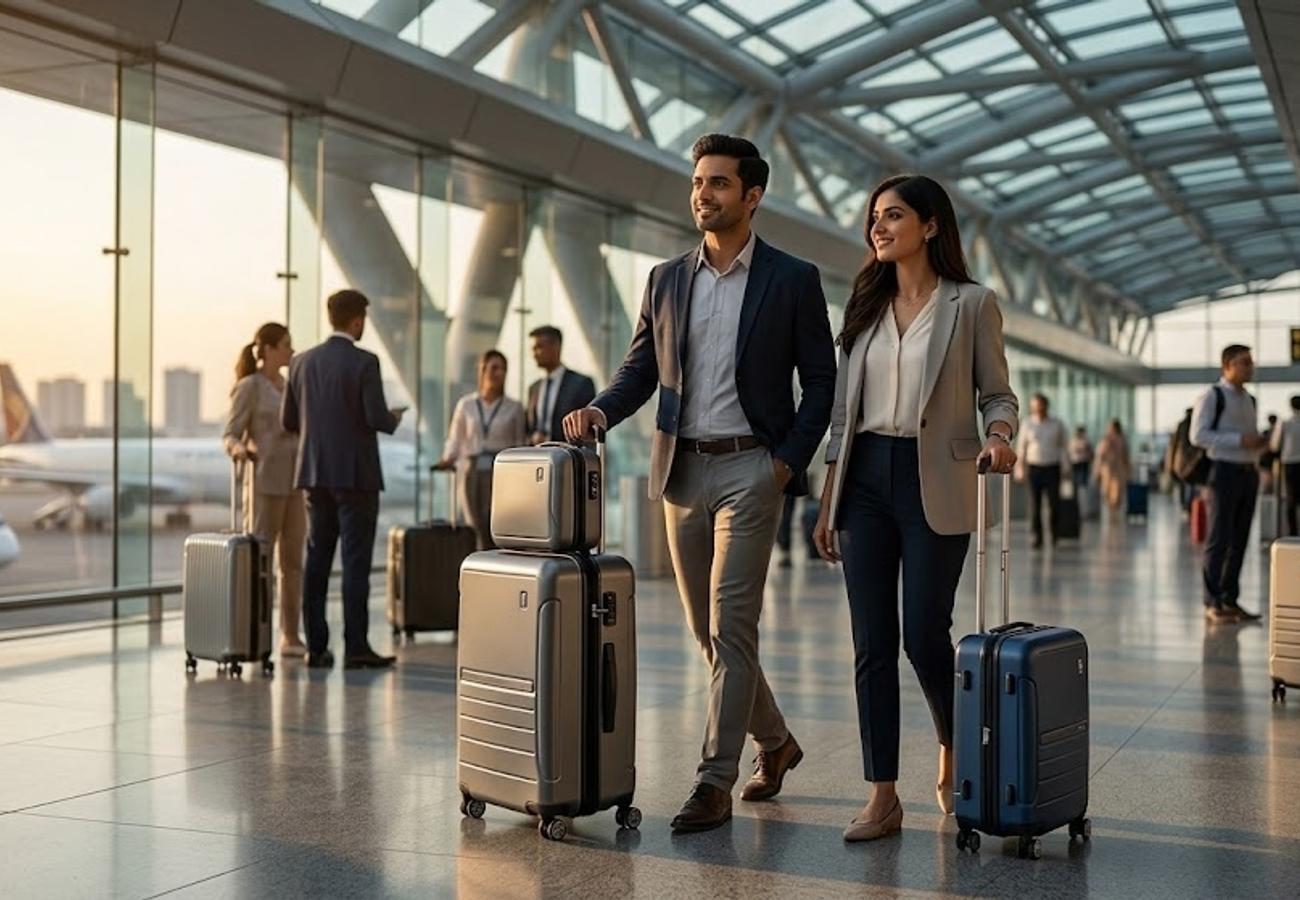
Image generated by AI
India’s aviation sector handled 30.6 crore domestic and 7 crore international passengers in FY 2023–24, triggering a structural shift where luggage is now a lifestyle statement rather than a utility.
The Shift Toward Aspirational Travel Gear
India is currently experiencing a "luggage supercycle." This isn't merely a post-pandemic rebound but a fundamental change in consumer psychology. As air travel normalizes and expands into tier-2 and tier-3 cities, the demographic of the Indian traveler has widened. The emergence of first-time flyers and a growing middle class has pushed the luggage market away from unbranded, fragmented vendors toward organized, premium players.
The numbers underscore this momentum. In 2024, foreign tourist arrivals reached approximately 9.95 million, while total international visitors—including non-resident Indians—surpassed 20 million. This influx of movement has created a direct correlation between passenger volume and the demand for high-end travel gear.
Market Valuation and the "Lifestyle" Pivot
The financial trajectory of the sector is aggressive. Research from Motilal Oswal suggests the Indian luggage market could reach roughly Rs 267 billion by 2028, reflecting a compound annual growth rate (CAGR) of about 12 percent between 2023 and 2028.
For the modern Indian traveler, a suitcase is no longer just a container for clothes; it is a status symbol. This is evident in the shift from soft-sided bags to hard luggage. Lightweight polycarbonate and ABS trolleys now command an estimated 60 percent share in organized channels. Travelers are prioritizing:
- Aesthetics: Coordinated sets and sleek silhouettes tailored for social media visibility.
- Technology: Integrated USB charging ports and TSA-approved locks.
- Brand Equity: A move toward globally recognized names that signal international exposure.
The Premiumization Engine
While high-priced luggage represents only about 10 percent of total volumes, it generates a disproportionate amount of value. International giants like Samsonite have reported strong double-digit growth in 2023, capitalizing on a trend where Indians are taking more frequent holidays and upgrading from generic gear.
Domestic powerhouses are not standing still. VIP Industries and Safari Industries have implemented aggressive premiumization strategies. By launching sub-brands targeting urban professionals, these companies are capturing a rising segment of buyers willing to spend between Rs 6,000 and Rs 10,000, moving well beyond the mass-market threshold of Rs 4,000.
Redrawing the Retail Map
The way Indians purchase travel gear is evolving alongside their destinations. There is a documented slowdown in general trade as consumers migrate toward:
- Digital Marketplaces: E-commerce and influencer-led campaigns are driving sales, especially during peak wedding and travel seasons.
- Airport Retail: New terminals across India have turned departure and arrival halls into high-visibility showcases for luxury suitcases, capturing impulse buys from outbound travelers.
- Tier-2 and Tier-3 Hubs: Improved air connectivity has led organized brands to open exclusive outlets in secondary cities, bringing premium collections to regions previously dominated by unbranded goods.
Cultural & Environmental Value
The transition to organized brands is more than a commercial win; it reflects a shift toward durability and sustainability. Hard-shell polycarbonate luggage typically offers a longer lifecycle than cheap, unbranded soft bags, reducing the frequency of replacement and landfill waste.
For the visitor, the real impact is a more seamless travel experience. The adoption of TSA-standard locks and lightweight materials across the Indian market aligns local travel infrastructure with global standards, making transit through international hubs more efficient for the millions of Indians now traveling abroad.
Visitor Insider Tips
For those traveling through India or purchasing gear within the region, keep these local nuances in mind:
- The "Wedding Season" Spike: If you are buying premium gear locally, avoid the peak wedding and festival windows (typically October to January), as demand spikes and stock for popular colors may run low.
- Airport Logistics: When using new terminals in tier-2 cities, utilize the curated airport retail stores for immediate replacements or upgrades; they often carry the latest "travel-ready" tech that local city shops might miss.
- Material Choice: If traveling through humid coastal regions or monsoon-heavy zones, prioritize the polycarbonate hard-shell options currently trending in the market for superior moisture protection compared to traditional fabric bags.
- Customs & Security: Ensure your premium luggage features TSA-approved locks, as these are increasingly the standard for the growing number of Indian travelers frequenting US and European hubs.
Tourism Outlook
The long-term trajectory for India's travel sector remains bullish. With the government's continued focus on pilgrimage circuits and the expansion of low-cost carriers, the "traveling class" will continue to grow. This structural tailwind ensures that the luggage market will remain premium-heavy, as the aspiration for global mobility continues to drive consumer spending toward high-end, branded travel ecosystems.
The suitcase is no longer just for packing; it is the first piece of the journey's wardrobe.
Related Travel Guides
Disclaimer
This article is for informational and educational purposes only. It does not constitute legal, financial, or professional advice. While we strive to provide accurate and up-to-date information, travel policies, regulations, and conditions change rapidly. Always verify information with official sources before making travel decisions. Nomad Lawyer makes no representations about the accuracy, reliability, completeness, or suitability of the information provided. Readers should consult qualified professionals for advice specific to their circumstances. The views expressed in this article are those of the author and do not necessarily reflect the views of Nomad Lawyer.
Raushan Kumar
Founder & Lead Developer
Full-stack developer with 11+ years of experience and a passionate traveller. Raushan built Nomad Lawyer from the ground up with a vision to create the best travel and law experience on the web.
Learn more about our team →