
Know Under Radar: 5 Hidden Greek Islands for True Hoppers in 2026
Discover five lesser-known Greek islands perfect for authentic island-hopping in 2026. Savvy travelers know under radar destinations offer quieter beaches, local culture, and Mediterranean charm away from overtouristed hotspots.

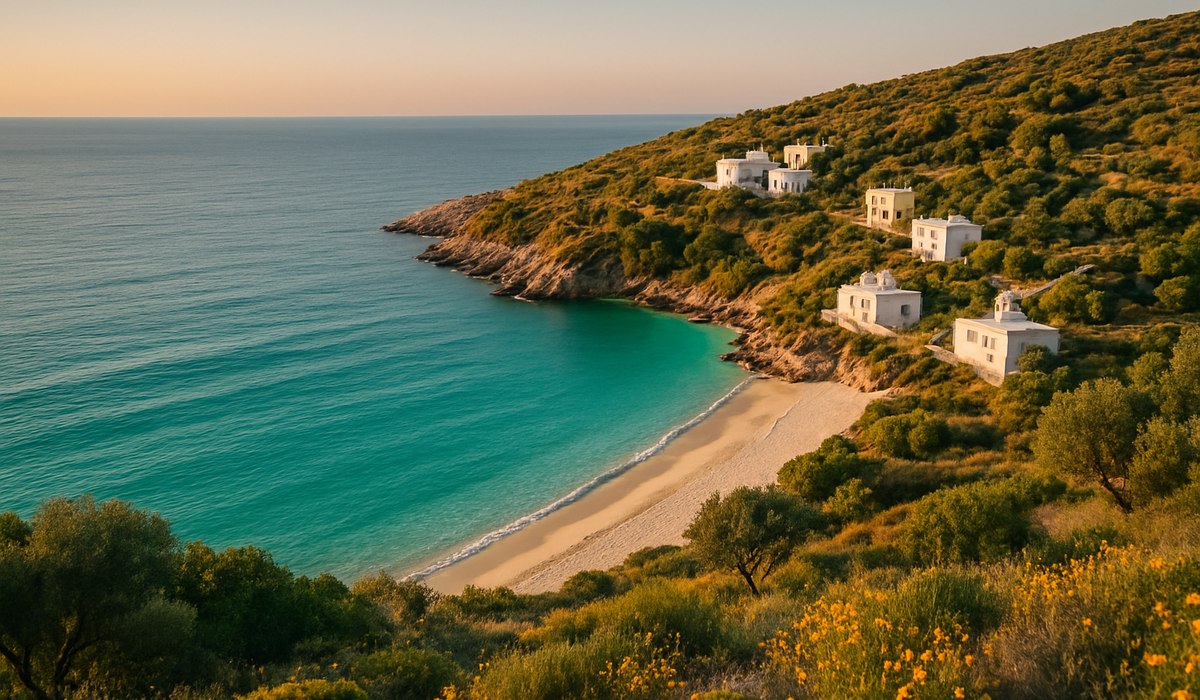
Image generated by AI
Discovering Greece's Hidden Island Treasures
Greece's lesser-known islands offer what true island hoppers actively seek: authentic Mediterranean experiences without the summer crowds. While Santorini and Mykonos dominate travel guides, thousands of Greek islands remain wonderfully quiet. These five destinations deliver genuine local culture, untouched beaches, and the kind of discoveries that transform casual visitors into experienced travelers who know under radar gems.
Island #1: Naxos – Quiet Beaches and Local Culture
Naxos operates as one of Greece's best-kept secrets, offering expansive sandy beaches that rival any famous destination. Unlike overtouristed neighbors, Naxos maintains strong local traditions with family-run tavernas serving authentic Cycladic cuisine. The island's interior villages showcase marble quarries, whitewashed architecture, and genuine hospitality.
Windy Beach on the north coast provides perfect conditions for windsurfing while remaining relatively quiet. The main town features a Venetian castle where you can wander medieval streets without navigating packed tourist groups. Local producers still make famous Naxian cheese and potatoes sold in markets where residents outnumber visitors. Food enthusiasts appreciate farm-to-table dining experiences that reflect true island life rather than commercialized tourism.
Island #2: Paros – Adventure and Water Sports
Paros serves as an ideal base for travelers seeking active adventures combined with authentic island atmosphere. The destinations appeal to water sports enthusiasts who know under radar spots for kitesurfing, windsurfing, and diving activities. Golden Bay and Santa Maria Beach attract adventure seekers while maintaining quieter vibes than Mykonos beaches.
The island connects easily to nearby Antiparos through short ferry services, doubling exploration opportunities. Local fishing villages like Naoussa still operate with morning boat launches and evening fish markets. Marble villages inland preserve traditional crafts and artistic communities. For rock climbers, limestone formations throughout the island offer technical routes with minimal crowds. The fishing harbors provide authentic dining where boat captains recommend daily catches.
Island #3: Andros – Arts, History, and Heritage
Andros attracts culturally-minded travelers and destinations enthusiasts seeking intellectual engagement. The island functions as Greece's wealthiest historically, with marble mansions and sophisticated architecture throughout main towns. Contemporary art museums display international exhibitions while maintaining local identity.
Mountain villages feature architectural details revealing centuries of Venetian influence and Greek tradition. Archaeological sites showcase Cycladic civilization without the infrastructure overwhelming Delos. Hiking trails connect villages through valleys cultivated for centuries. The island's museums interpret maritime history through local context rather than tourist presentation. Art galleries hosted by local artists operate from family studios where conversations reveal island narratives authentically.
Islands #4 & #5: The Hidden Gems – Thasos and Symi
Thasos operates in northern Greece, attracting fewer international visitors despite exceptional natural beauty. Pine forests descend directly to crystalline waters, creating dramatic coastal landscapes. Ancient archaeological sites near Limenas reveal Minoan settlements with minimal visitor infrastructure.
Symi sits near Turkey, offering Byzantine architecture, sponge-diving heritage, and dramatic clifftop villages. Colorful harbor houses create photogenic landscapes while fishing traditions continue unchanged. Both islands know under radar status among experienced Mediterranean travelers who prioritize authenticity over accommodation luxury.
Cruise Itinerary at a Glance
| Destination | Best Season | Primary Activity | Crowd Level | Local Culture | Accommodation Range |
|---|---|---|---|---|---|
| Naxos | April–May, September–October | Beach relaxation, local food | Low | Strong traditions | €60–150/night |
| Paros | May–September | Water sports, village exploration | Moderate | Active fishing communities | €70–160/night |
| Andros | June–September | Art, hiking, history | Low | Cultural institutions | €80–180/night |
| Thasos | June–August | Nature, archaeology | Very Low | Mountain villages | €50–140/night |
| Symi | May–September | Architecture, diving, heritage | Low | Byzantine traditions | €85–170/night |
Ship Features and Embarkation Details
Most travelers reach these islands through private ferry services from Athens or Piraeus ports rather than traditional cruise ships. Small ship operators specialize in island-hopping itineraries, carrying 50–300 passengers maximum. These vessels provide intimate access to smaller harbors and quieter anchorages unreachable by mega-ships.
Embarkation typically occurs in Athens, with preliminary day exploring the Acropolis and historic center. Ships depart evening, arriving at smaller island ports early morning, allowing full-day exploration. Onboard activities emphasize regional culture, language workshops, and expert-led historical presentations rather than entertainment-focused programming.
Deck space on smaller vessels prioritizes observation areas overlooking Aegean waters. Dining emphasizes regional cuisine sourced from island producers. Many operators employ local guides who share personal knowledge of villages and archaeological significance.
Pricing and Booking Information
Seven-day island-hopping voyages range from €1,200–2,800 per person depending on cabin category and operator. Budget-conscious travelers find better value through small operators than luxury cruise lines. Prices typically include accommodations, onboard meals, and some organized activities.
Booking directly through operators like Variety Cruises and Greek ferry services offers flexibility not available through major cruise lines. Early booking during winter months secures better pricing for summer departures. Group discounts encourage travelers to organize friends and family journeys together.
Solo travelers find reasonable single-cabin pricing on many small-ship operators. All-inclusive packages simplify planning, though independent travelers prefer booking accommodations and ferries separately for maximum flexibility.
What This Means for Travelers
Understanding how to know under radar destinations transforms Greek island experiences entirely. Here's what savvy travelers should prepare:
-
Book small-ship voyages between March and May or September and November for authentic experiences with minimal crowds.
-
Combine ferry travel with hotel stays in villages rather than resort areas to engage local communities genuinely.
-
Learn basic Greek phrases to demonstrate respect and unlock conversations with shop owners and taverna operators.
-
Plan 4–7 days minimum allowing unhurried exploration of each island's villages, beaches, and cultural sites.
-
Pack light and comfortable shoes for navigating marble streets, hiking trails, and uneven pathways throughout traditional villages.
-
Budget €80–150 daily for accommodations, meals, and activities when choosing modest local establishments.
Frequently Asked Questions
Which hidden Greek island suits first-time island hoppers best?
Naxos combines accessibility, diverse activities, and strong local character perfectly. Direct ferry connections from Athens operate year-round. Beaches provide relaxation options while villages offer cultural exploration. The island's size allows comfortable exploration without overwhelming distances.
When should travelers visit to avoid crowds while maintaining good weather?
May through early June and September through October provide ideal conditions. Mediterranean temperatures range 24–27°C with fewer tourists than peak July-August season. Ferry schedules remain frequent, and accommodations stay open despite lower occupancy rates.
How do small-ship cruises differ from traditional cruise experiences?
Small vessels access anchorages and ports unavailable to mega-ships, enabling exploration of genuinely remote villages. Onboard communities feel more intimate and international. These cruises emphasize regional expertise and cultural immersion rather than entertainment-focused activities and shopping-port programming.
What makes these islands "under the radar" compared to famous Cycladic destinations?
Limited international marketing, smaller infrastructure, and fewer direct connections from major airports preserve authentic character. Local economies depend primarily on agriculture, fishing, and small-scale tourism rather than mass tourism revenue. Visitor numbers rarely exceed local populations, maintaining genuine community spaces.
Disclaimer
This article is for informational and educational purposes only. It does not constitute legal, financial, or professional advice. While we strive to provide accurate and up-to-date information, travel policies, regulations, and conditions change rapidly. Always verify information with official sources before making travel decisions. Nomad Lawyer makes no representations about the accuracy, reliability, completeness, or suitability of the information provided. Readers should consult qualified professionals for advice specific to their circumstances. The views expressed in this article are those of the author and do not necessarily reflect the views of Nomad Lawyer.
Raushan Kumar
Founder & Lead Developer
Full-stack developer with 11+ years of experience and a passionate traveller. Raushan built Nomad Lawyer from the ground up with a vision to create the best travel and law experience on the web.
Learn more about our team →