
India Koyna Festival 2026: Satara's Cultural and Adventure Transformation
The India Koyna Festival 2026 launches in Satara, Maharashtra this spring, positioning the region as a premier cultural and adventure destination. Discover what travelers need to know about the daulat and dongri traditions taking center stage.

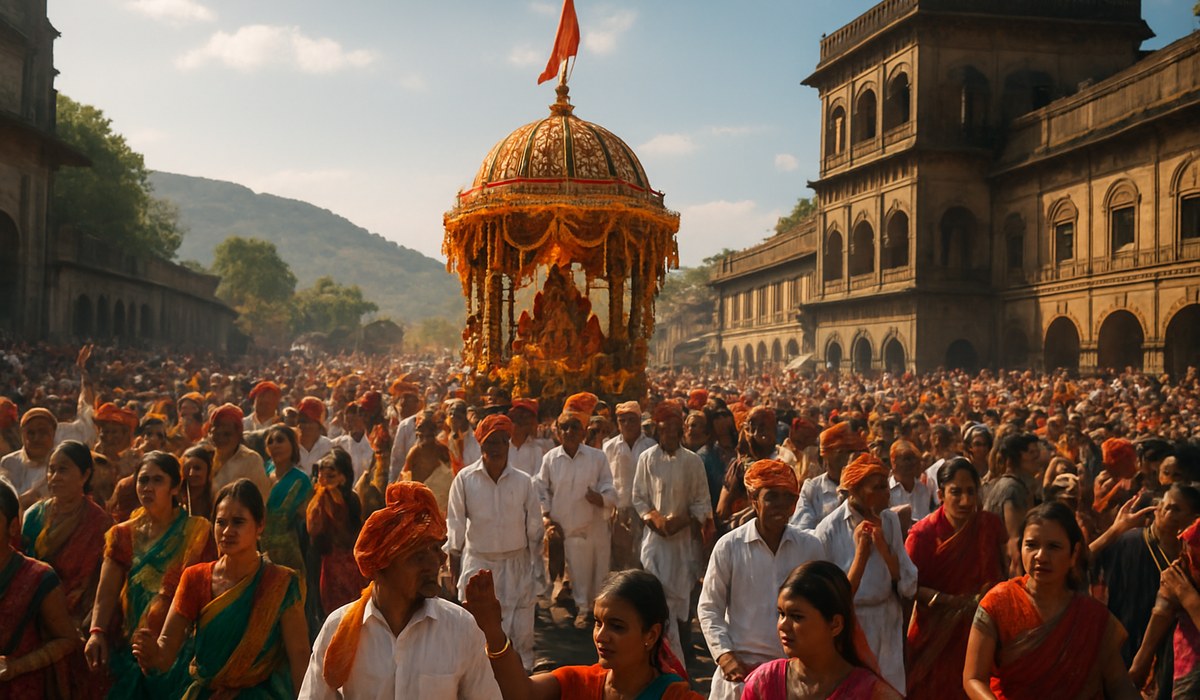
Image generated by AI
Koyna Festival 2026 Transforms Satara into Maharashtra's Premier Travel Destination
The India Koyna Festival 2026 is reshaping Satara district in western Maharashtra as a world-class hub for cultural immersion and outdoor adventure. This landmark spring event showcases traditional daulat and dongri heritage while expanding tourism infrastructure across the region. Festival organizers expect record visitor numbers through May 2026, making this the ideal moment for travelers to experience authentic Indian cultural festivals alongside trekking, water sports, and village tourism.
What's New at the India Koyna Festival This Year
The India Koyna Festival 2026 debuts expanded programming across three festival zones in Satara. New partnerships with local villages introduce homestay experiences in dongri settlements, where travelers stay with families practicing centuries-old agricultural traditions. The festival committee has added adventure camps at Koyna Nagar base, offering rock climbing, kayaking, and wilderness navigation courses. According to Maharashtra Tourism Development Corporation, visitor facilities include new toilet blocks, wifi connectivity, and medical camps staffed by trained emergency responders. These upgrades transform what was previously a regional celebration into a nationally recognized cultural event. Check the official Maharashtra Tourism portal for detailed event schedules and registration timelines.
Why Visit Satara During the India Koyna Festival
Satara represents one of India's most underrated travel destinations. The India Koyna Festival 2026 bundles cultural authenticity with adventure tourism in a single itinerary. Travelers experience traditional daulat ceremonies—ritual gatherings celebrating harvest seasons and community bonds—while accessing world-class trekking routes around Koyna Dam. The region's dongri forest ecosystems support biodiversity tours guided by local naturalists. Unlike crowded northern festivals, Satara offers intimate village interactions and uncrowded hiking trails. Water sports on Koyna Lake provide an alternative to mainstream adventure destinations. The festival pricing remains affordable, with homestay packages starting at ₹2,500 per night and guided treks at ₹800 daily. This combination makes spring 2026 exceptional for budget-conscious explorers seeking depth over surface-level sightseeing.
Best Time to Visit
Late March through May represents the optimal window for experiencing the India Koyna Festival 2026. Daytime temperatures average 28–32°C (82–90°F), with cool mornings ideal for trekking and cultural activities. The pre-monsoon season delivers clear skies and photogenic landscapes. Unlike summer months (June–August), which bring intense heat and occasional flooding near Koyna Dam, spring offers comfortable conditions for full-day hiking and village immersion. Early April typically features the festival's peak attendance and most diverse programming. Booking accommodations by mid-March guarantees access to homestays in dongri villages, as availability depletes rapidly. The festival winds down by late May, marking the transition toward monsoon season. Plan your visit between April 5–20 for the most vibrant cultural experiences and optimal weather conditions.
How to Get There
Satara is accessible via Pune and major Maharashtra cities. The nearest airport is Pune (Lohegaon Airport, PNQ), approximately 170 kilometers away. From Pune's international terminal, hire a taxi or book a pre-arranged driver for the 4.5-hour drive to Satara town. Alternatively, TripAdvisor's destination guide recommends direct coaches from Pune Central Bus Stand (₹250–400 per seat, 5-hour journey). Maharashtra State Road Transport Corporation (MSRTC) operates daily bus services to Satara from Mumbai (340 km, 9 hours). Once in Satara town, festival shuttles run every 30 minutes to Koyna Nagar festival grounds (12 km). For independent travelers, local motorcycle taxis (auto-rickshaws) cost ₹200–300 for the Satara-to-festival route. Book festival accommodations through the official website to secure complimentary shuttle transfers from Satara bus/train station.
Adventure Activities and Cultural Programming
The India Koyna Festival 2026 combines structured cultural events with self-guided outdoor exploration. Mornings feature traditional daulat rituals held in village courtyards, where visitors participate in preparation ceremonies and communal meals. Afternoons accommodate guide-led treks to Dhom Dam (12 km, moderate difficulty) or Elephant Point viewpoint (8 km, easy). The festival partners with adventure outfitters offering kayaking trips down Koyna River (3–4 hours, beginner-friendly) and rock climbing on sandstone formations. Evening programming includes folk music performances, theatrical presentations of historical regional legends, and vendor markets selling local crafts and organic agricultural products. Travelers should book adventure activities at least 48 hours in advance through festival coordinators. See Lonely Planet's Maharashtra travel guide for additional activity recommendations and traveler reviews.
Festival Infrastructure and Practical Considerations
Satara has upgraded accommodations and services to handle increased 2026 visitor volume. The festival offers three tier options: homestays in dongri villages (₹2,500–3,500/night), tourist bungalows in Satara town (₹4,000–6,000/night), and camping at Koyna Nagar grounds (₹800–1,200/night). All homestays include breakfast featuring local cuisine. Medical facilities include a 50-bed temporary clinic at festival grounds staffed by doctors and nurses. Mobile connectivity remains reliable across Satara town and festival zones, though remote trekking areas require offline maps. ATMs function in Satara town center but are scarce near festival grounds; travelers should carry sufficient cash (Indian rupees). Most vendors accept digital payments via UPI apps. Pack lightweight trekking shoes, breathable clothing, and sunscreen; monsoon gear is unnecessary before late May.
Key Festival Data and Timeline
| Festival Element | Details |
|---|---|
| Festival Dates | March 28 – May 15, 2026 |
| Primary Locations | Satara town, Koyna Nagar, dongri villages in Sahyadri Range |
| Expected Visitors | 80,000–120,000 travelers |
| Average Daily Temperature | 28–32°C (March–April), rising to 35°C+ by mid-May |
| Major Cultural Events | Daulat ceremonies (daily), folk music (evenings), village markets (weekends) |
| Registered Adventure Operators | 12 licensed trekking companies, 6 water sports outfitters |
| Accommodation Capacity | 2,400 beds across all categories |
| Nearest Airport (PNQ Pune) | 170 km, 4.5-hour drive |
| Festival Registration Fee | Free entry; activities charged separately |
What This Means for Travelers
The India Koyna Festival 2026 presents a unique window for experiencing Maharashtra's authentic cultural landscape without the infrastructure strain of larger national celebrations. Here's what savvy travelers should do:
-
Book homestays immediately. Dongri village accommodations fill by early April due to limited capacity and authentic appeal.
-
Arrange ground transportation in advance. Hire drivers through your hotel or festival coordinators rather than relying on spontaneous local transport during peak dates.
-
Enroll in adventure activities within 48 hours of arrival. Trek spots and water sports sessions operate on first-come, first-served basis during crowded periods.
-
Attend daulat ceremonies at dawn. Early participation ensures smaller crowds and better cultural immersion before mid-morning tourist arrivals.
-
Bring offline maps for trekking zones. Mobile signal drops sharply beyond Satara town, particularly on remote trails near Elephant Point and Dhom Dam.
-
Exchange currency in Satara town. ATM availability diminishes significantly near festival grounds; withdraw adequate rupees before arriving at Koyna Nagar.
FAQ: Planning Your India Koyna Festival 2026 Trip
When does the India Koyna Festival 2026 run, and which dates offer the best experience? The festival operates from March 28 through May 15, 2026. April 5–20 delivers optimal conditions with moderate temperatures (28–30°C), full cultural programming, and comfortable hiking weather. Late-stage dates (May 1–15) attract smaller crowds but face increasingly hot afternoons (35°C+) and occasional regional power shortages.
What cultural activities define the India Koyna Festival's daulat and dongri traditions? Daulat ceremonies are community gatherings marking seasonal transitions and agricultural celebrations; visitors participate in morning rituals, communal preparation of traditional meals, and blessing ceremonies. Dongri refers to hill settlements and forest villages where families maintain ancient farming practices; the festival enables homestays in these communities, offering direct cultural exchange and insight into agrarian lifestyles spanning centuries.
How does the India Koyna Festival compare to other major spring festivals across India? The festival emphasizes village-level cultural immersion and adventure tourism integration, differentiating itself from large urban celebrations. Unlike crowded northern festivals attracting 500,000+ visitors, Satara's event maintains intimate scale (80,000–120,000 expected attendees) while offering professional adventure infrastructure lacking at regional competitors. Accommodation costs remain 30–50% lower than equivalent homestays near Jaipur or Udaipur during comparable seasons.
Are there safety considerations for solo female travelers attending the India Koyna Festival? Yes. The festival operates dedicated women's safety zones and women-only camping areas; homestay families are screened and vetted by tourism authorities. Local guides prioritize female trekking groups, and festival coordinators maintain 24-hour helplines. Most village communities remain conservative; modest dress (covering shoulders and knees) is culturally appropriate. Traveling in organized groups or booking guided activities reduces isolation risk during outdoor adventures.
Related Travel Guides
Discovering Maharashtra's Hill Station Culture: A Complete 2026 Trekker's Guide
Homestay Tourism in Western India: Authentic Village Experiences Beyond Commercial Hotels
Ultimate Spring Festival Calendar: When to Travel Across India for Cultural Celebrations
Disclaimer: This article reflects information current as of March 24, 2026, sourced from Maharashtra Tourism Development Corporation and official India Koyna Festival organizers. Festival dates, pricing, and activity availability may change; verify current conditions with the official Maharashtra Tourism website and your accommodation provider before travel. Travelers should confirm airline schedules, bus service routes, and guide availability with local operators at least 48 hours before planned activities.
Raushan Kumar
Founder & Lead Developer
Full-stack developer with 11+ years of experience and a passionate traveller. Raushan built Nomad Lawyer from the ground up with a vision to create the best travel and law experience on the web.
Learn more about our team →