
India Koyna Festival 2026: Satara's Cultural and Adventure Transformation
The India Koyna Festival 2026 launches in Satara, Maharashtra, blending cultural heritage with adventure tourism. This event marks a major shift in regional travel, attracting explorers and culture enthusiasts worldwide.

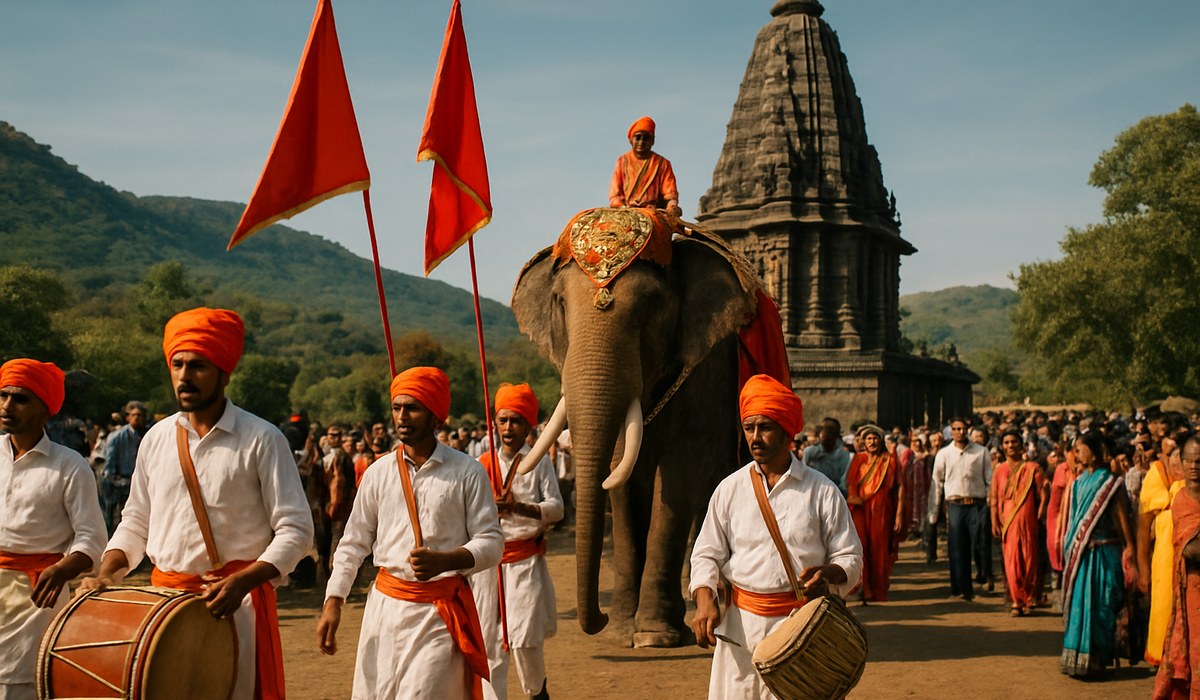
Image generated by AI
Satara's India Koyna Festival 2026 Redefines Regional Tourism
Satara, Maharashtra, is launching the India Koyna Festival 2026 this March, positioning the region as a premier cultural and adventure destination. The festival combines traditional Maharashtrian heritage with modern outdoor experiences, drawing travelers seeking authentic engagement beyond conventional tourism. This initiative reflects growing demand for experiential travel in India, where visitors increasingly choose destinations offering cultural immersion alongside physical adventure.
The India Koyna Festival represents a strategic investment in sustainable tourism infrastructure. Regional authorities have partnered with tourism operators to create programming that balances environmental preservation with visitor accessibility. The festival season runs through May 2026, giving travelers a three-month window to experience the Koyna Valley's transformation.
What's New at the India Koyna Festival in 2026
The 2026 edition introduces expanded programming compared to previous years. Festival organizers have added trekking expeditions to Daulat and Dongri, two historically significant peaks in the Koyna region. These routes connect cultural sites with panoramic vistas, appealing to adventure travelers and heritage enthusiasts simultaneously.
New accommodations near the festival grounds support increased visitor capacity. Local hospitality businesses have upgraded facilities to international standards while maintaining authentic architectural elements. Transportation partnerships with regional airlines serving Mumbai ensure convenient access to Satara via Pune Airport (PNQ), located 120 kilometers away.
Festival programming includes traditional folk performances, contemporary art installations, and guided cultural walks through Dongri village. Educational workshops teach visitors traditional crafts, cooking techniques, and local history. These activities create meaningful interactions between travelers and resident communities, strengthening cultural preservation efforts across the region.
Why Visit Satara for Adventure and Cultural Immersion
Satara offers travelers a rare combination of activities unavailable in mainstream tourist circuits. The Koyna River basin provides opportunities for white-water rafting, kayaking, and fishing during the festival season. Trekking routes to Daulat and Dongri peaks require moderate fitness and deliver rewarding views of Western Ghats terrain.
Cultural authenticity distinguishes this destination from manufactured tourist experiences. Dongri's traditional settlements preserve agricultural practices and architectural traditions spanning centuries. Residents actively participate in festival programming, sharing knowledge about regional agriculture, textile production, and festival history with interested visitors.
Adventure activities operate under safety protocols established by the Maharashtra Tourism Development Corporation. Professional guides accompany trekking groups, water sports instructors manage aquatic activities, and medical services maintain 24-hour availability throughout the festival period. These measures enable adventure participation for travelers with varying experience levels.
The India Koyna Festival attracts international visitors interested in off-the-beaten-path Indian experiences. Travelers report higher satisfaction levels when experiences combine personal challenge with cultural learning. This destination positioning aligns with broader travel industry trends favoring transformative over transactional tourism.
Best Time to Visit Satara's India Koyna Festival
March through May represents the optimal travel window for the India Koyna Festival 2026. Weather conditions during these months provide comfortable temperatures for trekking and cultural activities. Morning temperatures average 18-22°C, while afternoons reach 28-32°C, requiring lightweight layers and sun protection.
Rainfall remains minimal during this period, ensuring trail accessibility and reducing waterborne activity cancellations. The post-monsoon landscape displays lush vegetation without the waterlogging that occurs during June through September. Tourist numbers remain manageable compared to peak holiday seasons, enabling more personalized experiences with local guides and artisans.
Water levels in the Koyna River support rafting activities without creating dangerous rapid conditions. Fishing seasons align with visitor calendars, allowing travelers to participate in recreational angling alongside cultural activities. Wildlife observation opportunities increase during these months as animals emerge from monsoon shelter periods.
Avoid visiting June through September when monsoon rains intensify, making trekking routes treacherous and reducing visibility for scenic appreciation. October through February attract fewer tourists but bring cooler temperatures that may challenge visitors unaccustomed to higher altitude exposure.
How to Get There: Transportation to Satara
Pune Airport (PNQ) provides the primary air gateway for international and domestic travelers. Airlines including IndiGo, Air India, and SpiceJet operate multiple daily flights from Delhi, Mumbai, and Bangalore to Pune. Flight duration from Delhi measures approximately 2.5 hours, while Mumbai connections require roughly 1 hour airtime.
From Pune Airport, travelers reach Satara via 120-kilometer road journey requiring 2.5 to 3 hours of driving. Pre-arranged car services through hotel concierges offer convenient transfers at rates between 3,500-5,000 Indian Rupees. Public bus services operated by Maharashtra State Road Transport Corporation provide economical alternatives at approximately 250-350 Rupees per ticket.
Train service connects Satara to major Indian cities through regional rail networks. The Satara railway station receives daily trains from Mumbai Central, Pune Junction, and Belgaum stations. Journey times from Mumbai measure 6-8 hours depending on train selection, while Pune connections require approximately 3-4 hours.
Self-drive options suit travelers comfortable navigating Indian highways. The Mumbai-Belgaum National Highway 48 passes within 50 kilometers of Satara, providing well-maintained road access. Vehicle rental services operate from Pune and Mumbai airports, offering sedan to SUV options suited for regional terrain exploration.
Practical Festival Tips for Travelers Planning a 2026 Visit
Book accommodations minimum six weeks in advance. Festival dates attract regional and international visitors to limited lodging options. Premium properties near Koyna Valley fill completely by early February, while budget guesthouses in Dongri become scarce by late February.
Register for adventure activities through official festival channels rather than independent operators. The India Koyna Festival coordinates safety protocols, insurance coverage, and guide qualifications across all outdoor experiences. Independent arrangements risk inadequate safety measures and lack official documentation verification.
Pack appropriate hiking footwear for Daulat and Dongri trekking routes. Local trails feature rocky sections, root obstacles, and steep elevation changes requiring ankle support. Standard athletic shoes prove insufficient for sustained comfort across uneven terrain spanning 12-18 kilometers per trekking day.
Bring water purification tablets or carry bottled water exclusively. Rural areas near Dongri village may lack treated water systems meeting international standards. Festival organizers provide filtered water at base camps, but day-trekking participants should carry personal hydration supplies.
Arrange currency exchange before arriving in Satara. ATM access remains limited outside town centers, and credit card acceptance depends on establishment formality. Carrying Indian Rupees in denominations suitable for small transactions prevents complications during village interactions and artisan purchases.
Invest in travel insurance covering adventure activities, medical evacuation, and trip cancellation. Standard policies exclude high-altitude trekking and water sports participation. Festival-specific insurance packages available through major Indian providers cost 800-1,500 Rupees and provide comprehensive protection.
Festival Programming and Cultural Highlights
| Festival Element | Dates | Location | Best For | Duration |
|---|---|---|---|---|
| Opening Ceremonies | March 24-26 | Satara Town Square | Cultural immersion | 3 days |
| Koyna Valley Trekking | March 27-May 15 | Daulat & Dongri peaks | Adventure enthusiasts | Variable |
| Traditional Folk Performances | Weekends throughout festival | Amphitheater, Koyna Valley | Family audiences | 2 hours each |
| Heritage Walking Tours | Daily departures | Dongri village streets | History learners | 4 hours |
| Artisan Workshops | March 28-May 10 | Community centers | Hands-on learners | 3 hours |
| Rafting Expeditions | April 1-May 20 | Koyna River section | Water sports enthusiasts | 5 hours |
| Photography Exhibitions | April-May rotating displays | Cultural halls | Visual art appreciation | 2 weeks per exhibition |
What This Means for Travelers
The India Koyna Festival 2026 creates unprecedented opportunities for meaningful travel experiences in a developing adventure tourism region. Travelers gain access to authentic cultural interactions unavailable in commercialized tourist destinations. This positions Satara as an emerging alternative to overcrowded heritage sites in North India.
Strategic timing enables travelers to participate in festival programming while avoiding May heat intensification that begins in late May. Early March bookings secure superior accommodations and provide flexibility for activity selection before festivals reach capacity. Travelers booking flights 8-10 weeks in advance obtain favorable airfare pricing from major Indian cities.
The festival strengthens local economic benefits by distributing visitor spending across community-based businesses. Purchasing directly from Dongri artisans, dining at family-operated restaurants, and hiring local guides creates sustainable tourism models. Travelers contribute to cultural preservation efforts by participating in educational workshops and heritage experiences.
Adventure participants build physical conditioning during the festival season. Daulat and Dongri treks accommodate beginners through experienced mountaineers, enabling progressive skill development. Travelers completing basic routes gain confidence for pursuing more challenging Western Ghats expeditions in subsequent visits.
Consider booking return visits as the festival expands programming annually. The 2026 inaugural season establishes baseline experiences, while future years promise enhanced infrastructure and specialized offerings. Early participants gain insider advantages through established local relationships and comprehensive destination knowledge.
Frequently Asked Questions About India Koyna Festival 2026
What outdoor adventures does the India Koyna Festival 2026 feature? The festival includes multi-day trekking expeditions to Daulat and Dongri peaks, white-water rafting on the Koyna River, kayaking excursions, and fishing activities. Professional guides accompany all adventures with certified safety equipment and comprehensive insurance coverage. Trek difficulty levels accommodate beginners through advanced mountaineers.
When should travelers book accommodations for the India Koyna Festival 2026? Reserve hotels and guesthouses minimum six weeks before arrival. Peak festival dates in March-April fill accommodations 8-10 weeks in advance. Booking by January 2026 ensures superior property selection, preferred room categories, and negotiated rate packages. Festival cancellation insurance protects bookings against unexpected schedule changes.
Which airports provide convenient connections to Satara for the India Koyna Festival? Pune Airport (PNQ) serves as the primary international gateway, located 120 kilometers from Satara with direct connections from Delhi, Mumbai, and Bangalore. Alternative access routes include Mumbai's Bombay International Airport (BOM) via six-hour road transfer, and Belgaum Airport (BJX) connected through regional rail networks.
What cultural experiences distinguish the India Koyna Festival from other Indian heritage events? The festival uniquely integrates traditional Maharashtrian practices with contemporary adventure activities within Dongri's authentic village setting. Hands-on artisan workshops teach traditional crafts directly from community practitioners. Heritage walking tours navigate genuine residential areas rather than manufactured cultural parks, creating genuine resident interactions and preservation of agricultural traditions.
Related Travel Guides
Ultimate Guide to Western Ghats Trekking Routes in Maharashtra
Cultural Festivals Across Maharashtra: Complete 2026 Calendar
Adventure Tourism in India: Sustainable Practices and Emerging Destinations
Disclaimer
Disclaimer
This article is for informational and educational purposes only. It does not constitute legal, financial, or professional advice. While we strive to provide accurate and up-to-date information, travel policies, regulations, and conditions change rapidly. Always verify information with official sources before making travel decisions. Nomad Lawyer makes no representations about the accuracy, reliability, completeness, or suitability of the information provided. Readers should consult qualified professionals for advice specific to their circumstances. The views expressed in this article are those of the author and do not necessarily reflect the views of Nomad Lawyer.
Raushan Kumar
Founder & Lead Developer
Full-stack developer with 11+ years of experience and a passionate traveller. Raushan built Nomad Lawyer from the ground up with a vision to create the best travel and law experience on the web.
Learn more about our team →