
India Koyna Festival 2026: Satara's New Cultural & Adventure Destination
The India Koyna Festival transforms Satara, Maharashtra into a major cultural and adventure hub in 2026. Travelers will experience authentic heritage, outdoor activities, and immersive experiences across the Daulat Dongri region.

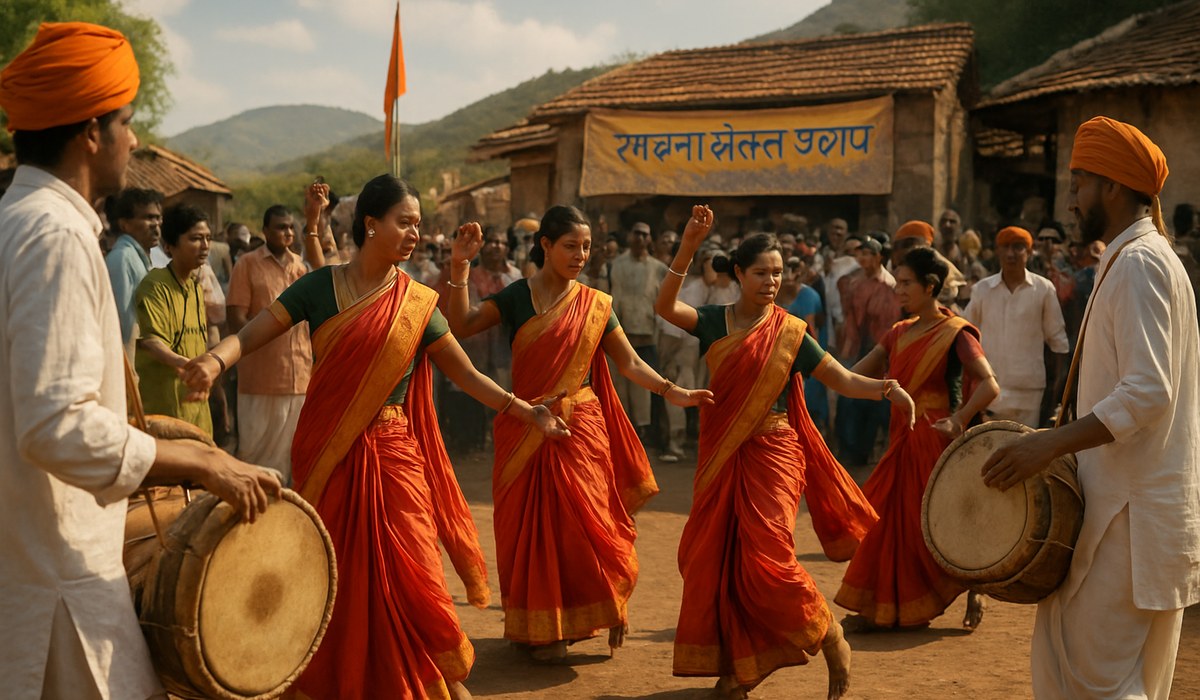
Image generated by AI
Festival Launch Transforms Western Maharashtra's Tourism Landscape
Maharashtra's Satara district is positioning itself as India's premier destination for cultural immersion and adventure tourism with the debut of the India Koyna Festival in 2026. The Daulat Dongri region, nestled in the Western Ghats, officially opens as a coordinated tourism hub this March, merging traditional heritage experiences with contemporary outdoor activities. This strategic initiative directly targets travelers seeking authentic Indian culture without sacrificing comfort or accessibility.
The India Koyna Festival represents a watershed moment for regional tourism. Previously, the Satara district operated as a collection of isolated attractions. Now, integrated travel infrastructure connects the sacred Koyna River valley with mountain trekking, cultural villages, and historical monuments. Local government bodies and hospitality operators have invested substantially to transform visitor flow patterns across three interconnected zones.
What's Happening at the India Koyna Festival in 2026
The inaugural India Koyna Festival launches with a comprehensive calendar spanning March through May 2026. Festival organizers have designed three distinct experience clusters: cultural performances at heritage venues, adventure activities on Koyna River rapids and trails, and wellness retreats in Dongri's elevated communities.
Daily events feature local artisans demonstrating traditional crafts, classical music performances at restored temple complexes, and curated cooking classes featuring Maharashtrian cuisine. The adventure component includes white-water rafting on the Koyna River, multi-day trekking expeditions through the Sahyadri Mountains, and rock climbing on designated crags near Daulat. According to official tourism board announcements, over 50 daily activities operate across the festival grounds, with participation capacity reaching 5,000 visitors per day.
Key attractions already welcoming guests include the Koyna Dam visitor center, newly expanded accommodation in village homestays, and a dedicated adventure sports complex at the Dongri base station. Festival organizers partnered with local Mahar and Dhangar communities to ensure authentic cultural programming and equitable economic distribution.
Why Visit the India Koyna Festival Now
Travelers should prioritize the India Koyna Festival in 2026 because this represents the first year of coordinated tourism infrastructure in the Satara region. Infrastructure improvements—including new mountain roads, emergency medical facilities, and certified guide networks—are fully operational only in 2026. Previous years saw these services fragmented across private operators.
The festival directly supports rural communities through homestay employment, artisan sales platforms, and guide training programs. Visitors benefit from transparent pricing, certified safety standards, and integrated booking systems that streamline multi-day itineraries. The Lonely Planet guide to Western India destinations now features comprehensive Satara coverage reflecting these infrastructure advances.
Additionally, the Daulat Dongri region offers natural advantages unavailable in crowded cultural destinations. The elevation (2,000–2,500 meters) ensures cooler temperatures even in peak summer. Koyna River's monsoon-fed flows create optimal conditions for adventure sports from March through June. Wildlife viewing opportunities include rare Nilgiri tahr sightings and endemic bird species monitored by conservation researchers.
Best Time to Visit the India Koyna Festival
The optimal travel window for the India Koyna Festival spans March through May, with March offering the most favorable conditions. During this period, daytime temperatures range from 18°C to 28°C, humidity remains moderate, and rainfall is minimal. The Koyna River maintains manageable water levels for rafting, neither too high nor too low for safe navigation.
March visitors experience peak festival programming, with all 50+ daily activities operating simultaneously. Accommodation availability at heritage hotels, homestays, and adventure camps remains abundant through mid-March but tightens significantly by April 15. Early bookings through the official Maharashtra Tourism Development Corporation website secure preferred lodging at competitive rates.
April presents secondary advantages for trekkers seeking extended hiking expeditions. Wildflower blooms reach peak intensity, creating photogenic trail conditions. However, afternoon temperatures climb toward 32°C, necessitating early morning departures. May suits dedicated adventurers comfortable with heat and prepared for occasional afternoon thunderstorms that deliver spectacular visual displays across the valleys.
Monsoon season (June–September) brings heavy rainfall that closes most hiking trails and suspends rafting operations. Winter months (October–February) experience dense fog that obscures mountain views, though this period attracts meditation retreat participants. Plan your India Koyna Festival visit between March and May for comprehensive access to programmed activities.
How to Get There: Transportation Options to Satara
The Satara district in Maharashtra is accessible via multiple transportation corridors from major Indian cities. The nearest major airport is Pune Airport (PNQ), located 180 kilometers from Satara town, requiring a 4-hour drive via National Highway 48. Direct flights connect Pune to Delhi, Mumbai, Bangalore, and Hyderabad through carriers including Air India, Indigo, and SpiceJet.
Alternatively, travelers can reach Satara via the historic Pune-Belgaum railway line, with regular express trains departing from Pune Junction station (PJN). The journey covers 170 kilometers in approximately 5 hours. From Satara Railway Station, local taxi services and hotel shuttle arrangements transport visitors the final 30 kilometers to Daulat base camp.
For road travel, Satara sits 265 kilometers south of Mumbai via the Mumbai-Bangalore highway, a 6-hour drive navigating mountain passes. Self-driving provides flexibility for multi-day regional exploration, though mountain roads demand experienced driving skills during monsoon transitions. Car rental services in Pune and Mumbai offer sedans and SUVs with driver options through TripAdvisor Travel Services.
The state government operates direct bus services from Pune to Satara town, with departures every 90 minutes from Pune Bus Station. Journey time averages 4 hours, with fares approximately ₹200–350 per passenger. Local transport within the Daulat Dongri region utilizes community-operated shuttle services and licensed guides providing motorized access to trailheads.
Festival Programming and Cultural Experiences
The India Koyna Festival delivers daily cultural programming showcasing Maharashtra's artistic heritage. Heritage performance venues host classical Indian music concerts, kathak dance presentations, and folk theater performances by community troupes. These events concentrate primarily in Satara town's newly restored amphitheater and village gathering spaces throughout Daulat.
Artisan workshops operate daily, offering hands-on participation in textile weaving, pottery production, and traditional toy-making techniques passed through generations. Visitors learn directly from master craftspeople, with finished pieces available for purchase at fair-trade pricing. Cooking demonstrations feature regional Maharashtrian cuisine preparation, including authentic recipes for staple dishes like bhakri, misal pav, and coastal seafood preparations adapted for mountain communities.
Religious and spiritual experiences include temple visits at sacred sites along the Koyna River, organized meditation sessions, and guided historical tours explaining monument significance. Homestay cultural immersion programs embed travelers within Daulat village families for authentic daily-life participation. These multi-day experiences develop genuine connections between visitors and rural communities while generating sustainable income for participating households.
Adventure Activities and Outdoor Recreation
The India Koyna Festival positions adventure sports as central attractions alongside cultural programming. White-water rafting on the Koyna River operates at three difficulty levels: gentle Class II rapids for beginners, moderate Class III sections for intermediate paddlers, and technical Class IV stretches for experienced enthusiasts. Professional guides certified by the Indian Adventure Sports Association operate all rafting expeditions with modern safety equipment.
Trekking routes span multiple difficulty levels, from day hikes suitable for families to multi-day expeditions reaching high mountain passes. Popular routes include the Daulat Ridge Trail (8 kilometers, moderate difficulty), the Koyna Gorge Trek (15 kilometers, challenging), and the extended 4-day Sahyadri Circuit connecting villages across three peaks. Trained guides provide interpretation on regional ecology, geology, and historical significance of landmark features.
Rock climbing and rappelling opportunities emerge on designated crags near Daulat village. Indoor climbing facilities within the adventure sports complex serve beginners, while outdoor climbs challenge experienced mountaineers. Paragliding seasons correspond with optimal wind patterns (March–May), offering aerial perspectives of the Koyna Valley from established launch points. Mountain biking trails incorporate forest paths, village connectors, and technical descents across 40+ kilometers of mapped routes.
Practical Information and Visitor Services
Accommodations span multiple price ranges and experience types throughout the Daulat Dongri region. Heritage properties in Satara town feature period architecture and 3-star amenities, with rates ₹3,500–6,000 per night. Eco-lodges emphasizing sustainable construction and organic meals serve mid-range travelers at ₹2,000–4,000 nightly. Community-operated homestays provide intimate village experiences at ₹1,000–2,500 per night, often including family meals and activity guidance.
Currency exchange facilities operate in Satara town at competitive rates. ATM networks serve the district center, though rural Daulat areas require pre-arrangement with homestay operators for cash transactions. Mobile networks from Jio, Airtel, and Vodafone provide consistent 4G coverage in populated areas, with variable connectivity on mountain trails.
Food safety remains high across certified dining establishments and homestays participating in tourism programs. Tap water requires boiling or bottled alternatives; vendor-provided water consistently meets quality standards. Travel health insurance covering adventure activities is strongly recommended. Medical facilities in Satara town include government hospitals and private clinics; emergency services require transport to Pune for specialized trauma care (4-hour journey).
Seasonal Information and Climate Patterns
| Season | Temperature Range | Rainfall Pattern | Best Activities | Crowd Levels |
|---|---|---|---|---|
| March | 18–28°C | Minimal (20mm) | All activities optimal | Moderate |
| April | 22–32°C | Trace rainfall | Trekking, sightseeing | Moderate-high |
| May | 24–35°C | Afternoon showers | Early-morning activities | High |
| June–September | 18–25°C | Heavy monsoon | Limited (meditation) | Low |
| October–February | 12–22°C | Minimal rainfall | Fog-affected views | Low-moderate |
What This Means for Travelers in 2026
The India Koyna Festival's 2026 debut creates immediate advantages for early visitors planning travel to Satara. Here are concrete actions to maximize your experience:
Book accommodations now. March facilities reach capacity by early February; securing lodging confirms preferred locations and pricing. Heritage properties near Satara town provide cultural immersion with restaurant access, while Daulat homestays deliver authentic village engagement without advance amenities.
Arrange guides through official channels. The Maharashtra Tourism Development Corporation maintains certified guide registries organized by specialty (trekking, cultural history, adventure sports). Booking through official channels ensures qualified personnel and transparent pricing versus unvetted operators.
Plan 5–7 days minimum. Single-day visits limit activities to town-based programming. Five-day itineraries accommodate one trekking expedition, cultural workshops, and river sports without exhausting visitors. Week-long stays allow extended treks into high mountain zones and deeper community relationships.
Schedule medical preparation. Altitude exposure ranges from 500 meters (Koyna River) to 2,500 meters (mountain passes). Visitors with cardiovascular concerns should consult physicians before intensive trekking. Standard vaccinations for India travel (hepatitis A, typhoid) remain recommended.
Purchase travel insurance immediately. Adventure activities require coverage explicitly including rock climbing, rafting, and high-altitude trekking. Standard travel policies exclude these activities; specialized coverage costs ₹1,500–3,000 for two-week trips but prove essential for emergency evacuation expenses.
FAQ: Planning Your India Koyna Festival Adventure
What is the India Koyna Festival and when does it operate in 2026? The India Koyna Festival is Maharashtra's inaugural coordinated tourism event spanning March–May 2026 across the Satara district's Daulat Dongri region. The festival combines daily cultural performances, adventure sports, and heritage experiences within integrated infrastructure. All 50+ programmed activities operate daily throughout this three-month window, with peak capacity during March.
How difficult are the trekking routes at the India Koyna Festival? Routes range from easy day hikes to challenging multi-day expeditions. Family-friendly trails include the Daulat Ridge path (8km, 4-hour duration) requiring only basic fitness. Intermediate treks like the Koyna Gorge route (15km) demand consistent endurance. Advanced mountaineers pursue the 4-day Sahyadri Circuit covering alpine zones. Professional guides assess individual fitness levels before confirming route assignments.
Is the India Koyna Festival suitable for solo female travelers? Solo women travelers find the India Koyna Festival increasingly welcoming through community homestays, group-based adventure programs, and cultural workshops. The Maharashtra tourism authority maintains safety protocols and trains guides specifically for solo traveler support. Homestay operators prioritize experienced hosts skilled in accommodating independent women. Online communities and travel forums provide real-time safety updates from recent visitors.
What budget range should I allocate for a week-long India Koyna Festival trip? Weekly budgets depend on accommodation preferences and activity intensity. Budget travelers combining homestays (₹1,500 daily), public transportation, and shared adventure tours spend ₹15,000–25,000 ($180–300 USD). Mid-range visitors selecting eco-lodges and private guiding allocate ₹30,000–50,000 ($360–600 USD). Premium travelers booking heritage hotels with exclusive trekking services budget ₹60,000+ ($720+ USD) weekly, excluding flights to Pune.
Related Travel Guides
Satara District Heritage and Culture: Complete 2026 Visitor Guide
Western Ghats Trekking: Mountain Adventures in Maharashtra
Pune to Mountain Destinations: Day Trip Routes and Transportation
Disclaimer
Disclaimer
This article is for informational and educational purposes only. It does not constitute legal, financial, or professional advice. While we strive to provide accurate and up-to-date information, travel policies, regulations, and conditions change rapidly. Always verify information with official sources before making travel decisions. Nomad Lawyer makes no representations about the accuracy, reliability, completeness, or suitability of the information provided. Readers should consult qualified professionals for advice specific to their circumstances. The views expressed in this article are those of the author and do not necessarily reflect the views of Nomad Lawyer.
Preeti Gunjan
Contributor & Community Manager
A passionate traveller and community builder. Preeti helps grow the Nomad Lawyer community, fostering engagement and bringing the reader experience to life.
Learn more about our team →