
India Koyna Festival 2026: Satara's Cultural Renaissance Begins
The India Koyna Festival transforms Satara district into a cultural and adventure destination in 2026. This premier Maharashtra event blends heritage traditions with outdoor experiences for travelers seeking authentic experiences.

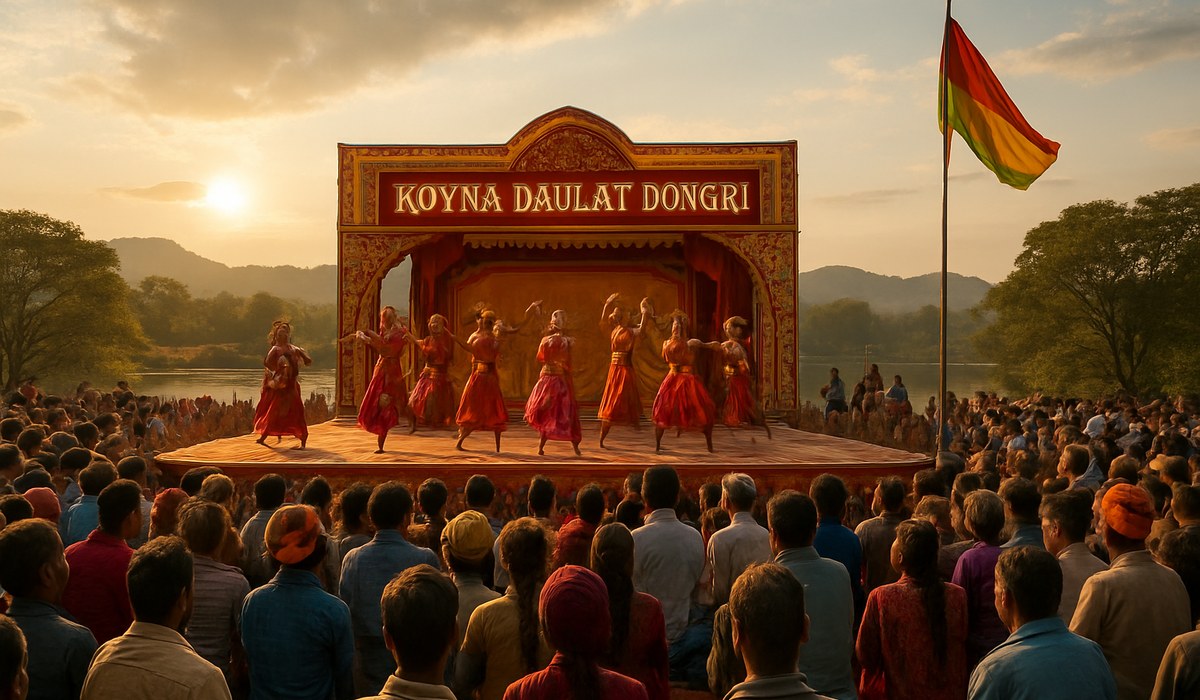
Image generated by AI
Festival Debut Positions Satara as India's Emerging Cultural Destination
The India Koyna Festival launches in 2026 as Maharashtra's marquee event celebrating heritage, adventure, and local culture. Satara district hosts this transformative gathering, merging centuries-old traditions with contemporary outdoor tourism experiences. The festival addresses growing traveler demand for meaningful cultural immersion beyond conventional sightseeing.
This inaugural edition marks a strategic shift in regional tourism strategy. Local authorities envision the festival as a year-round catalyst for sustainable community development. The event bridges urban explorers with rural heritage sites across the Koyna region.
What Makes the India Koyna Festival Unique for 2026 Travelers
The festival distinguishes itself through an integrated approach to cultural and adventure tourism. Rather than separating heritage experiences from outdoor activities, organizers weave both into a cohesive narrative centered on the Koyna Valley ecosystem.
Visitors encounter traditional Daulat performances—authentic folk theatrical forms passed through generations—alongside trekking routes to Dongri villages. These mountain settlements preserve pre-colonial settlement patterns and agricultural practices unchanged for centuries. The combination appeals to anthropologists, adventure enthusiasts, and casual tourists simultaneously.
Festival programming includes workshops led by local artisans, evening cultural performances in outdoor amphitheaters, and guided valley expeditions. Multiple airlines serving Maharashtra airports enable convenient access for domestic and international visitors seeking authentic experiences. Check Lonely Planet's Maharashtra guide for destination context.
Why Visit Satara During the Festival Season
Satara's geography offers exceptional natural advantages during festival months. The Western Ghats create temperate microclimates ideal for multiday treks combined with cultural performances. Water resources from the Koyna dam system support eco-tourism infrastructure without environmental strain.
The region historically resisted cultural homogenization. Local communities maintain distinct clothing traditions, culinary practices, and spiritual observances. Festival programming intentionally amplifies these distinctions rather than diluting them for broader appeal.
Economic incentives benefit local hospitality sectors directly. Small guest houses, food vendors, and independent guides earn sustainable income during peak seasons. This creates genuine community investment in visitor experiences rather than extractive corporate tourism models.
Festival organizers coordinate with conservation groups protecting the Western Ghats biodiversity. Visitor fees partially fund habitat restoration projects. Travelers contribute measurably to environmental outcomes through their participation.
Best Time to Visit the India Koyna Festival
The India Koyna Festival operates during Maharashtra's cooler months from October through March. March 2026 represents the final stretch of ideal weather conditions. Daytime temperatures range from 22–28°C, facilitating full-day trekking without heat-related challenges.
Post-monsoon seasons (October–November) deliver lush landscape photography opportunities. Rivers run clear but remain navigable for adventure activities. Festival attendance peaks during this window, creating vibrant energy but requiring advance accommodation bookings.
Winter months (December–February) offer solitude-seeking travelers fewer crowds while maintaining comfortable conditions. Fewer festival events operate during these months, suiting independent explorers over structured group activities.
Avoid May through September entirely. Monsoon rains close mountain trails and trigger landslide risks. Humidity levels make outdoor activities uncomfortable for most visitors. Festival activities suspend during this period.
How to Get There: Satara Transportation Options
Satara district sits 250 kilometers south of Mumbai via NH48 highway. Travel time from Mumbai International Airport (BOM) requires 6–7 hours by rental vehicle or coach service. Direct flights don't serve Satara; travelers deplane at Mumbai or Pune airports instead.
Pune Airport (PNQ) offers a closer alternative, situated 110 kilometers from Satara town center. Journey time reduces to 3 hours via NH44. Regional carriers operate frequent Mumbai-Pune connections at competitive fares.
Maharashtra State Road Transport Corporation (MSRTC) operates daily bus services connecting Satara to major urban centers. These journeys cost significantly less than rental cars. Morning departures from Mumbai central bus stand arrive by evening, enabling same-day festival access.
Local transportation within Satara relies primarily on motorcycles, auto-rickshaws, and shared jeeps. Festival organizers arrange shuttle services connecting accommodations to event venues. Digital apps coordinate ride-sharing among visitors.
Road conditions on routes to Dongri villages remain challenging during peak festival months. Four-wheel-drive vehicles become necessary for accessing remote cultural sites. Pre-arrange transportation through festival coordinators or established tour operators.
Festival Programming and Cultural Experiences Explained
The India Koyna Festival structures activities across multiple thematic zones. The Heritage Quarter centers on Daulat performance stages, artisan demonstrations, and historical exhibitions. The Adventure Sector encompasses guided treks, rock climbing instruction, and water-based activities in valley locations.
Daily schedules alternate between morning treks and evening cultural performances. This rhythm allows visitor participation without requiring specialized prior training. Festival guides provide historical context during valley walks, connecting landscape features to community narratives.
Accommodation options range from luxury eco-resorts to homestays operated by local families. Budget travelers find affordable dormitory lodging at community centers established specifically for festival visitors. Premium properties feature water conservation systems and renewable energy infrastructure, aligning with regional sustainability commitments.
Food programming highlights local cuisine using ingredients from surrounding agricultural zones. Festival kitchens employ village cooks preparing traditional recipes. Cooking demonstrations teach visitors preparation techniques for regional specialties requiring hours of labor-intensive processing.
Check TripAdvisor's Satara attractions for recent visitor reviews and detailed activity ratings.
Practical Festival Logistics and Traveler Preparation Tips
Festival registration opens online three months prior to your intended visit. Early registration secures preferred accommodation and ensures participation in restricted-capacity activities like small-group Dongri village visits.
Pack moisture-wicking clothing suitable for variable mountain weather. Mornings remain cool even during March; afternoons warm considerably. Waterproof jackets address occasional unpredictable precipitation. Sturdy hiking boots prove essential for Dongri terrain—casual sneakers risk ankle injuries on rocky paths.
Physical fitness requirements vary by activity selection. Basic cultural attendance requires no special conditioning. Multi-day valley treks demand cardiovascular preparation equivalent to 4–5 hours hiking. Festival websites publish detailed activity difficulty ratings.
Budget travelers allocate $40–60 USD daily for accommodation, meals, and activity fees. Mid-range visitors expect $100–150 USD daily. Premium resort-based experiences exceed $200 USD nightly. Festival packages bundling multiple activities reduce overall costs significantly.
Carry sufficient cash in Indian Rupees (INR). Digital payment infrastructure remains limited in Satara's peripheral zones. ATM machines exist in town centers but rarely at village-level festival sites.
| Aspect | Details |
|---|---|
| Festival Duration | March 2026 (10–15 days) |
| Primary Gateway | Mumbai International (BOM) Airport, 6–7 hours travel time |
| Accommodation Range | $30–250 USD nightly depending on property category |
| Daily Activity Costs | $15–50 USD per activity, festival pass discounts available |
| Optimal Weather Window | October–March (22–28°C daytime, minimal rainfall) |
| Local Language | Marathi predominant; English widely spoken at festival venues |
| Required Permits | None for general festival attendance; trekking guides handle permissions |
| Medical Facilities | Basic clinics in Satara town; serious emergencies require Pune hospital transfer |
What This Means for Travelers
The India Koyna Festival represents a departure from commercialized Indian tourism models. Travelers gain meaningful community engagement without performative or exploitative dynamics. Several concrete advantages emerge:
Community-Led Programming: Local residents determine festival content rather than external corporations. This authenticity attracts travelers fatigued by standardized resort experiences.
Environmental Contribution: Festival fees fund habitat restoration in Western Ghats protected areas. Your visit directly supports biodiversity conservation outcomes measurable through scientific monitoring.
Extended Travel Seasons: Festival programming extends regional tourism beyond conventional peak months. March visitors enjoy manageable crowds compared to peak December periods.
Skill Development Opportunities: Workshops teach traditional crafts, local cooking techniques, and heritage preservation methods. These experiences translate into portable skills applicable beyond festival contexts.
Fair Economic Distribution: Accommodation and guide fees flow directly to community operators rather than multinational corporations. This creates sustainable livelihoods reducing rural-to-urban migration pressures.
Accessible Adventure: The festival structure accommodates diverse fitness levels and cultural backgrounds. Solo travelers, families, and adventure-specific groups find relevant programming without prior experience requirements.
FAQ: Common India Koyna Festival Questions
When does the India Koyna Festival occur in 2026? The festival runs for 10–15 days during March 2026, concluding before April heat intensifies. Exact dates release in December 2025 through official Maharashtra tourism channels. October–February dates also host festival programming with reduced event density.
What activities comprise the India Koyna Festival experience? The festival integrates trekking expeditions, Daulat theatrical performances, artisan workshops, village homestays, and guided cultural historical tours. Morning schedules emphasize adventure activities. Evenings feature cultural performances and community gatherings. Participants customize involvement based on interests and fitness levels.
Is the India Koyna Festival suitable for families with young children? Festival design accommodates families with children ages 8+. Shorter walking distances and less strenuous activities accommodate younger participants. On-site medical staff address minor health concerns. However, children under 8 may struggle with full-day trekking requirements.
How do I register for the India Koyna Festival 2026? Registration occurs through Maharashtra's official tourism portal (maharashtratourism.gov.in) beginning three months before your intended visit. Early registration provides accommodation priority and restricted-activity access. Walk-up registrations remain available but typically result in budget accommodations and popular activity oversubscription.
Related Travel Guides
Maharashtra's Western Ghats: Beyond Mumbai's Urban Sprawl
Satara District Trekking Routes: Complete Hiking Destinations
Folk Traditions of Rural Maharashtra: Cultural Heritage Preservation
Disclaimer
Disclaimer
This article is for informational and educational purposes only. It does not constitute legal, financial, or professional advice. While we strive to provide accurate and up-to-date information, travel policies, regulations, and conditions change rapidly. Always verify information with official sources before making travel decisions. Nomad Lawyer makes no representations about the accuracy, reliability, completeness, or suitability of the information provided. Readers should consult qualified professionals for advice specific to their circumstances. The views expressed in this article are those of the author and do not necessarily reflect the views of Nomad Lawyer.
Raushan Kumar
Founder & Lead Developer
Full-stack developer with 11+ years of experience and a passionate traveller. Raushan built Nomad Lawyer from the ground up with a vision to create the best travel and law experience on the web.
Learn more about our team →