
ICAO Advances Global Air Passenger Rights Reform as 193 Countries Face Major Changes
ICAO Advances Global Air Passenger Rights Reform as 193 Countries Face Major Changes

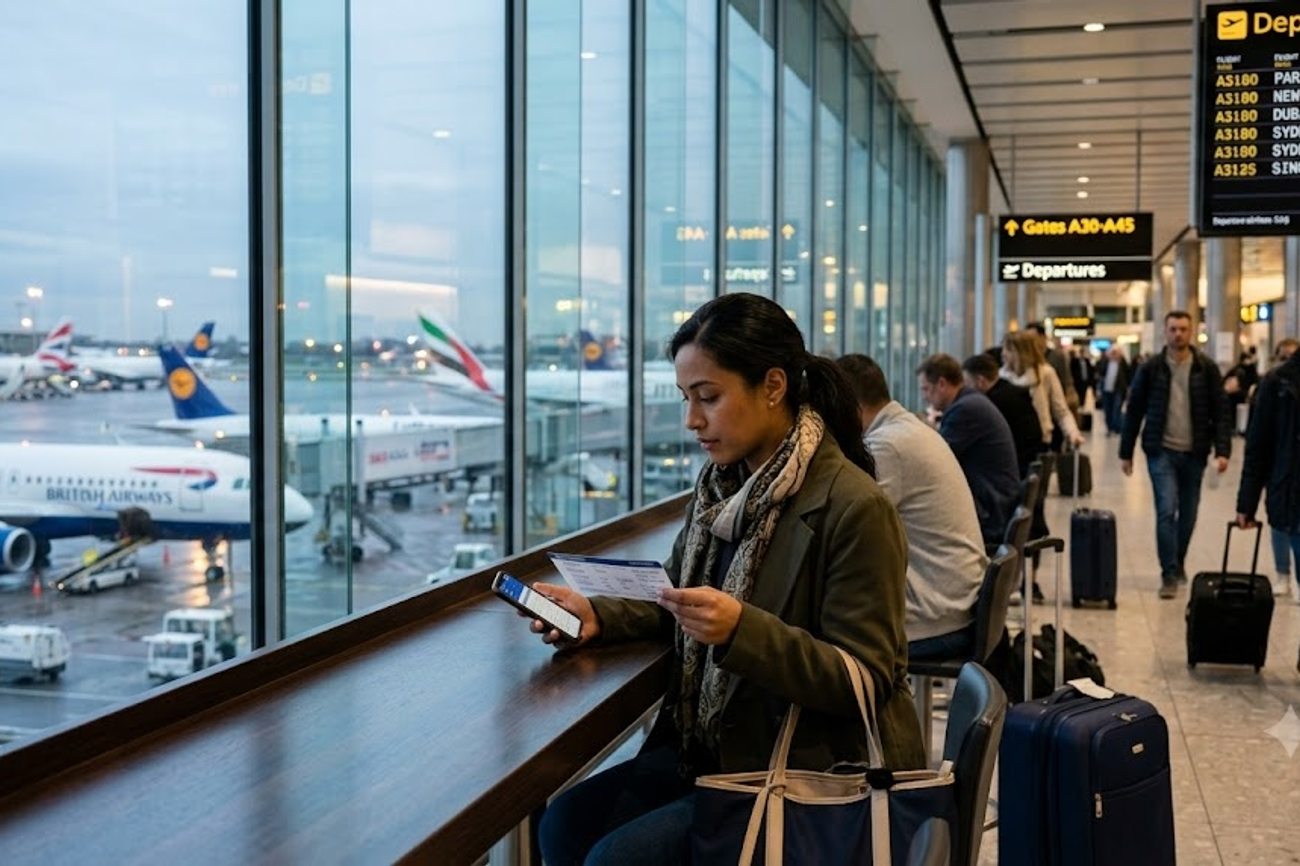
Image generated by AI
[Montreal, November 2026] — The International Civil Aviation Organization (ICAO) is launching a comprehensive overhaul of global air passenger protection standards to address systemic gaps in consumer rights and emergency response.
Representatives from 193 United Nations member states will convene in Montreal from November 16 to November 20, 2026, for the Seventh Worldwide Air Transport Conference (ATConf/7). The assembly aims to modernize the "Core Principles on Consumer Protection," a framework designed to harmonize how governments regulate airline responsibilities during delays, cancellations, and denied boarding. This move comes as the aviation sector scales to unprecedented levels, with international carriers transporting approximately 4,900,000,000 passengers in 2025.
The Catalyst for Regulatory Revision
The primary driver for this review is the widening disparity between national passenger-rights laws. While some regions have stringent compensation mandates, others offer minimal protections, creating a fragmented legal environment for the billions of people flying annually. ICAO is seeking to reduce this "legal uncertainty" by refining the high-level principles that guide how member states draft their own domestic laws.
The urgency is compounded by the sheer volume of air traffic. According to recent data, scheduled commercial airlines operated 38 million flights in 2025, surpassing all previous 2024 benchmarks. As passengers increasingly book complex itineraries involving multiple carriers and online intermediaries across various jurisdictions, the existing 2015 framework is no longer sufficient to cover modern travel complexities.
Furthermore, the conference is responding to a critical need for better emergency planning. A dedicated working paper titled “Strengthening Consumer Protection and Emergency Planning” will be central to the discussions, focusing on how aviation systems can better withstand and recover from major global disruptions.
Markets and Stakeholders Under Review
The scope of the ATConf/7 negotiations extends beyond simple financial payouts. The review targets the entire lifecycle of a passenger's journey, categorized into three distinct phases:
- Pre-Travel: Focuses on the transparency of fares, the clarity of contractual conditions, and the disclosure of tariffs.
- In-Transit: Addresses the timeliness of information provided during disruptions and the adequacy of assistance offered to stranded passengers.
- Post-Travel: Evaluates the efficiency of complaint handling and the availability of fair dispute-resolution mechanisms.
Specific regulatory areas slated for examination include:
- Conditions of Carriage: Standardizing the "fine print" of airline contracts.
- Baggage Handling: Improving protections and recovery protocols for lost or damaged luggage.
- Code-Sharing Agreements: Clarifying which airline is responsible for the passenger when flights are operated by partner carriers.
- Denied Boarding: Refining the standards for overbooked flights and involuntary bumps.
The European Union is already taking a proactive stance. The Council of the EU’s Working Party on Aviation has formally listed the review of ICAO’s Core Principles on its agenda, signaling that major regulatory blocs are preparing hard-line positions to influence the final Montreal outcome.
Practical Traveler Advisory and Strategic Insights
It is vital for passengers to understand that ICAO is not a global legislature. The organization does not have the authority to pass a "world law" that forces every airline to pay a specific dollar amount for a delay. Instead, ICAO creates the blueprints that national governments use to write their own laws.
Plain-Language Passenger Impact:
- No Immediate Global Payouts: You will not wake up on November 21, 2026, to find a universal compensation check for every delayed flight worldwide. Changes will happen gradually as individual countries adopt the new ICAO guidelines.
- Increased Consistency: For the frequent flyer, this means a reduction in "regulatory roulette." The goal is to ensure that whether you are flying out of Tokyo, London, or New York, the basic expectations for transparency and assistance are similar.
- Better Information: Travelers can expect a push for more honest pricing and clearer terms of service during the booking process, reducing the likelihood of hidden fees.
- Improved Crisis Response: In the event of a systemic collapse (such as a global IT outage or natural disaster), the new emergency-response standards aim to ensure airlines have a mandatory, coordinated plan to assist passengers rather than leaving them stranded without communication.
The Road to 2050
The Montreal negotiations are part of a much larger strategic vision. ICAO’s 2026–2050 Strategic Plan highlights a staggering trajectory for the industry. While the 2024 baseline stood at 4.6 billion passengers, ICAO projects that annual passenger numbers will climb to 12.4 billion by 2050.
To manage this growth, the International Civil Aviation Organization (ICAO) is positioning aviation as a catalyst for global economic prosperity. However, the organization recognizes that this economic growth is unsustainable if consumer trust erodes due to poor protection.
The ATConf/7 agenda is broader than just passenger rights; it encompasses "Air Transport: Powering Global Connectivity, Economic Development and Resilience in a Dynamic World." This includes discussions on infrastructure finance to expand airport capacity and the integration of emerging technologies into aviation regulation. The Federal Aviation Administration (FAA) and other national bodies will likely monitor these proceedings closely to align their domestic safety and consumer policies with the updated global consensus.
FAQ: Global Passenger Rights 2026
Will I get more money for flight delays after the Montreal conference? Not directly. ICAO sets guidelines, not laws. Your compensation depends on the laws of the country where the airline is based or where you are flying. However, these guidelines may push your local government to increase protections.
Does this affect flights booked through third-party websites? Yes. One of the goals of the review is to address the complexities of international itineraries involving online intermediaries, aiming for better transparency and accountability regardless of how the ticket was purchased.
What is the difference between ICAO and the Montreal Convention? The Montreal Convention is a binding treaty regarding liability for damages, death, or injury. ICAO’s Core Principles are non-binding guidelines used by governments to shape general consumer protection and regulatory frameworks.
How many countries are involved in these changes? 193 UN member states are eligible to participate in the Seventh Worldwide Air Transport Conference to consider these amendments to air passenger rights.
The blueprint for the next three decades of global flight is being drawn in Montreal.
Related Travel Guides
Disclaimer
This article is for informational and educational purposes only. It does not constitute legal, financial, or professional advice. While we strive to provide accurate and up-to-date information, travel policies, regulations, and conditions change rapidly. Always verify information with official sources before making travel decisions. Nomad Lawyer makes no representations about the accuracy, reliability, completeness, or suitability of the information provided. Readers should consult qualified professionals for advice specific to their circumstances. The views expressed in this article are those of the author and do not necessarily reflect the views of Nomad Lawyer.
Preeti Gunjan
Contributor & Community Manager
A passionate traveller and community builder. Preeti helps grow the Nomad Lawyer community, fostering engagement and bringing the reader experience to life.
Learn more about our team →