
South America Security Update: U.S. Issues Level 2 Travel Advisories for Bolivia and Ecuador
The U.S. Department of State updates travel advisories for Bolivia and Ecuador to Level 2, urging increased caution due to crime and civil unrest.

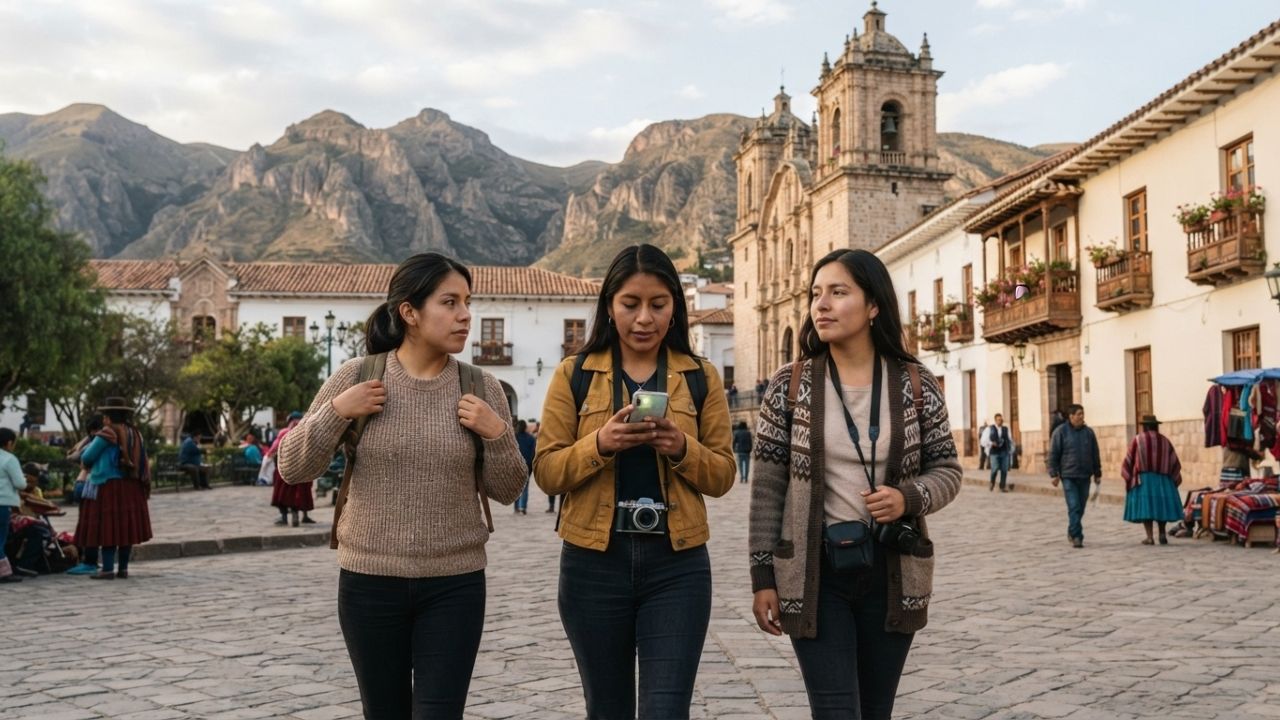
Image generated by AI
The U.S. Department of State has updated its Travel Advisories for Bolivia and Ecuador, classifying both popular South American destinations under Level 2 security watches in H2 2026. The department urges American citizens to exercise increased caution due to rising rates of violent crime, civil unrest, and regional safety challenges.
The travel market in South America is observing a significant realignment, with travelers prioritizing safety evaluations and regional security indicators. The U.S. Department of State regularly assesses safety conditions across international destinations to provide safety updates for American citizens traveling overseas. These reviews focus on public safety risks, health access, political environments, and local emergency response capacities. Under the latest updates, Bolivia and Ecuador are categorized under Level 2, indicating that while travel is not banned, visitors should exercise increased caution and maintain awareness of local conditions. Although both nations remain open to international visitors and continue to support travel infrastructure, these updated notices help travelers identify areas of elevated risk and prepare safety measures before departure.
For the traveler, the real impact of these security updates is the necessity of careful destination research and early planning. By studying regional advisories and coordinating with certified local travel guides, tourists can experience South America's diverse cultural and natural attractions safely.
Reddit: "Level 2 shouldn't stop you from going, but it means you need to be smart. Use registered taxis, keep your phone out of sight on the street, and stay away from political rallies." — r/travel
Understanding Level 2 Warnings: What Travelers Need to Know
The U.S. travel advisory system uses a four-level classification structure designed to communicate safety conditions in foreign destinations:
- Level 1 (Exercise Normal Precautions): Travelers should follow standard safety practices.
- Level 2 (Exercise Increased Caution): Visitors should be aware of higher risks, including crime or unrest.
- Level 3 (Reconsider Travel): Travelers should carefully evaluate whether their trip is necessary.
- Level 4 (Do Not Travel): Severe risks may make travel unsafe.
A Level 2 classification represents the second stage in this warning system. It does not prohibit travel, but it highlights that specific risks exist and that visitors should adopt stronger safety measures compared with destinations listed under the lowest warning category. These advisories are commonly issued when countries experience elevated crime rates, political demonstrations, health concerns, or regional security challenges.
Bolivia: Navigating Political Instability and High-Altitude Sites
Bolivia continues to carry a Level 2 travel advisory because of concerns related to crime, health-related challenges, and political instability. While many areas of the country remain accessible for tourists, visitors are advised to maintain heightened awareness and take precautions during their stay.
The country attracts adventure travelers, nature enthusiasts, and cultural visitors from around the world, drawn to historic cities, Indigenous cultural heritage, and dramatic Andean views. Its high-altitude salt flats, the Salar de Uyuni, remain one of the most famous tourist sites in the region. However, authorities continue to identify certain security concerns that may affect foreign visitors. Crime risks, including theft and other incidents in some locations, remain an important consideration for travelers. Visitors are encouraged to secure personal belongings, avoid displaying valuables, and remain cautious in crowded areas.
Political demonstrations and periods of social tension can also create travel disruptions. Protests, road blockades, and public gatherings may affect transportation routes and access to certain regions. In historic cities like Sucre or Potosí, visitors can explore colonial streets and churches, but should monitor local news channels for any signs of protests. If a blockade occurs, it is best to stay in your hotel and coordinate with your airline or tour operator to reschedule flights rather than trying to cross the blockade by road. In addition, some areas of Bolivia carry higher restrictions than the national advisory level. Certain locations may have more serious warnings due to security conditions, requiring travelers to carefully review regional guidance before planning visits.
Ecuador: Managing Organized Crime and Tourism Growth
Ecuador also remains classified at Level 2 due to several security concerns, including crime, terrorism-related risks, civil unrest, and kidnapping threats. The country has become an increasingly popular tourism destination because of its unique combination of natural and cultural attractions. Visitors are drawn to destinations such as the Galápagos Islands, Quito’s historic center, the Amazon rainforest, and the Andes mountain region.
Despite its tourism appeal, Ecuador has faced growing security challenges in recent years. Authorities have highlighted concerns surrounding organized crime activity, particularly in some urban areas and regions affected by criminal networks. Organised crime operations have prompted the government to declare localized states of emergency, resulting in increased police checkpoints and curfews in specific provinces.
For travelers planning to visit the Amazon basin or the highland cities like Cuenca, safety levels are generally more stable, but local agencies still recommend booking guided tours through recognized, licensed operators. This ensures that you have local support and up-to-date regional information, helping you avoid travel disruptions. Travelers are advised to remain cautious, especially in areas where security conditions may change quickly. Avoiding isolated locations, staying alert in public spaces, and using trusted transportation services are among the recommended precautions. The advisory also highlights risks connected with kidnapping and violent crime in certain parts of the country. Some regions may carry higher warning levels than the national classification, meaning travelers should research specific destinations before departure.
Local Insider Secrets: Safe Travel in Bolivia and Ecuador
To help you explore South America safely and responsibly, travel specialists suggest the following tips:
- Salar de Uyuni Weather Planning: Visit the salt flats during the dry shoulder season (May to November) to easily navigate the white plains. If visiting during the wet season (January to March) to see the famous mirror effect, hire an experienced driver with a 4x4 vehicle, as deep water can cover salt-crust hazards.
- Manage High Altitude (Soroche): When arriving in high-altitude cities like La Paz (3,640 meters) or Quito (2,850 meters), rest for the first 24 to 48 hours. Drink traditional mate de coca (coca tea) or consult a physician for altitude sickness medication to ease adaptation.
- Galapagos Park Fees: Protect the fragile Galápagos ecosystem by carrying enough cash to pay the park entry fee (which supports regional conservation). Support the local economy by staying in locally owned ecolodges on Santa Cruz Island.
- Secure Urban Transportation: In cities like Quito, Guayaquil, or La Paz, avoid hailing street taxis. Have your hotel or restaurant call a registered cab, or use trusted ride-sharing applications.
- Register with STEP: Before departure, enroll in the Smart Traveler Enrollment Program (STEP) to receive security updates and make it easier for the embassy to locate you in an emergency.
Frequently Asked Questions
Does a Level 2 advisory mean I should cancel my trip? No, a Level 2 warning does not prohibit travel. It indicates that you should be aware of elevated risks and take extra precautions, such as avoiding demonstrations.
Is it safe to visit the Galápagos Islands? The Galápagos Islands generally maintain a lower risk profile than mainland Ecuador, but travelers should still monitor regional security alerts before departure.
What is the best way to avoid altitude sickness in Bolivia? Resting, staying hydrated, avoiding alcohol, and drinking coca tea are effective ways to adapt to the high elevation of the Andes.
How do road blockades affect travel in Bolivia? Political protests can lead to sudden road closures. Monitor local news and coordinate with travel agencies to adjust your itinerary if blockades occur.
Understand the safety guidelines and plan responsibly to enjoy a safe and memorable journey through South America.
Related Travel Guides
The Impact of Middle East Flight Delays and Cancellations in August 2026
US Government Shutdown Threatens Extensive Travel Disruptions
The 10 Best Safety Tips for Solo Travelers in South America, According to Reddit
Disclaimer
This article is for informational and educational purposes only. It does not constitute legal, financial, or professional advice. While we strive to provide accurate and up-to-date information, travel policies, regulations, and conditions change rapidly. Always verify information with official sources before making travel decisions. Nomad Lawyer makes no representations about the accuracy, reliability, completeness, or suitability of the information provided. Readers should consult qualified professionals for advice specific to their circumstances. The views expressed in this article are those of the author and do not necessarily reflect the views of Nomad Lawyer.
Kunal K Choudhary
Co-Founder & Contributor
A passionate traveller and tech enthusiast. Kunal contributes to the vision and growth of Nomad Lawyer, bringing fresh perspectives and driving the community forward.
Learn more about our team →