
Gulf Hubs Face Disruptions: Doha and Ten Airports Log Cancellations
A massive disruption hits Middle East aviation networks, with Doha, Dubai, Riyadh, and Jeddah airports recording 101 flight cancellations and 1,082 delays.

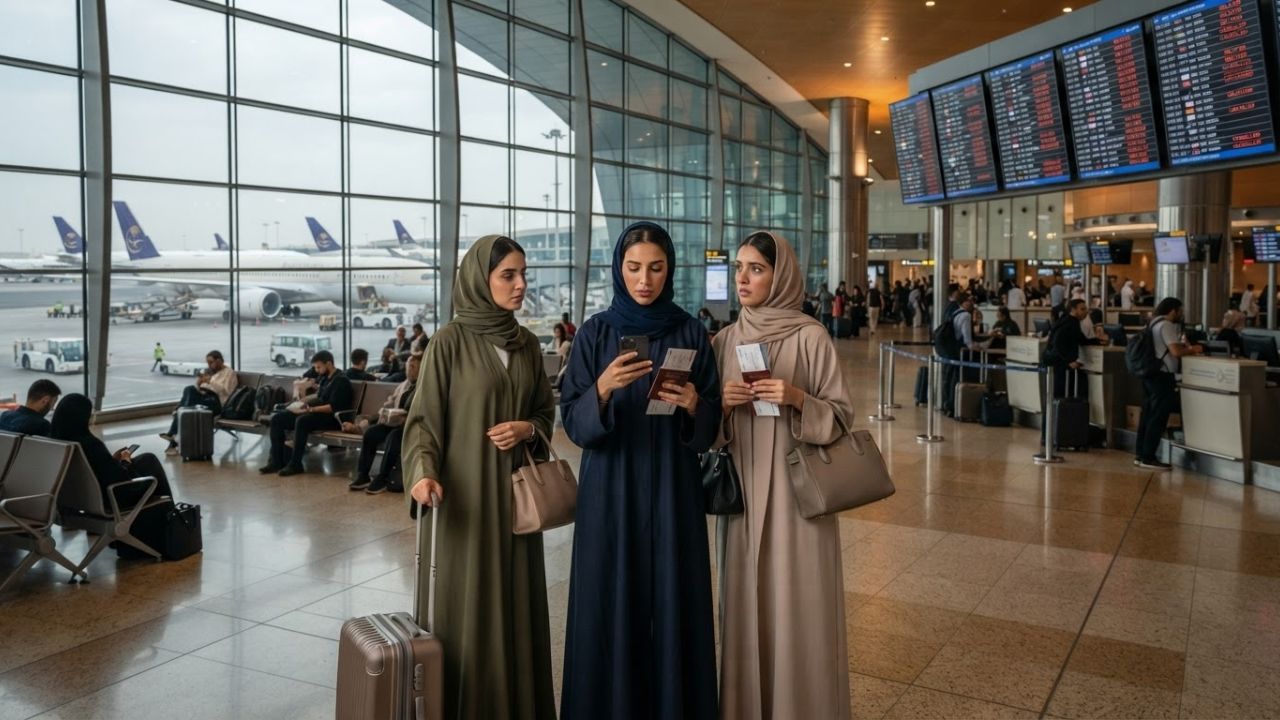
Image generated by AI
A massive travel disruption has impacted Middle East aviation networks, with Doha and ten other regional airports recording 101 flight cancellations and 1,082 delays. Heavy operational pressure and network congestion have affected major international hubs, including Dubai, Riyadh, Jeddah, and Doha, causing significant flight schedule changes for transit passengers.
The Scale of the Gulf Aviation Disruption
The Middle East air travel network is managing significant operational challenges as major international airports adjust flight frequencies. Real-time aviation figures compiled on August 16, 2026, at 4:12 pm ET (August 17, 2026, at 12:12 am GST) show that Doha and ten other regional airports recorded 101 flight cancellations and 1,082 delays. This widespread disruption has affected thousands of regional and international passengers.
By establishing these seasonal flight lanes, regional airport managers aim to protect global passenger flows. Hub airports, which act as gateways for business visitors, international students, and cultural tourists, benefit from direct route access. The sudden increase in flight delays is proving challenging for the regional hospitality economy, as it forces hotels to manage passenger accommodation and food arrangements more efficiently.
By establishing these passenger safety standards, aviation planners aim to protect the integrity of global flight connections. The primary causes behind this operational congestion include localized network bottlenecks, air traffic control constraints, and a combination of airport-level infrastructure challenges. For passengers traveling through these major transit hubs, this means longer processing times, unexpected connection delays, and revised arrival times at final destinations.
Airlines and airport operators are working to coordinate flight scheduling, but the volume of delayed aircraft has created secondary backlog challenges. This operational backlog highlights the vulnerability of highly integrated hub-and-spoke systems when multiple key nodes experience simultaneous disruptions.
Airport-by-Airport Analysis: Dubai, Doha, and Saudi Gateways
The travel disruption is distributed across several sovereign aviation markets, affecting both major global connection hubs and domestic regional terminals.
This localized disruption also offers a unique opportunity for duty-free retailers and terminal operators to design services suited for stranded passengers. By monitoring passenger comfort levels during long delays, airport customer teams can provide complimentary amenities to ensure guest satisfaction. This proactive approach helps build traveler confidence, ensuring that regional transit routes remain competitive with global hub standards.
Dubai International Airport recorded the largest concentration of delays, reporting 323 flight delays and 2 cancellations. As a primary global transit hub linking flight routes across Europe, Asia, Africa, and the Americas, any delay pattern in Dubai can create a ripple effect that impacts passengers at destinations worldwide. While the low number of cancellations in Dubai helped limit immediate cancellations, the high delay volume resulted in extended waiting times in transit areas.
In Qatar, Hamad International Airport in Doha recorded 144 delays and 1 cancellation. Because Doha serves as a central hub for transcontinental passengers, these flight delays can impact travelers even when their final destinations are located outside the Middle East.
In Saudi Arabia, the disruption affected both major international gateways and regional domestic airports. King Khalid International Airport in Riyadh reported 139 delays and 30 cancellations, marking the highest volume of cancellations among all airports in the region. King Abdulaziz International Airport in Jeddah recorded 95 delays and 15 cancellations. Meanwhile, regional terminals also faced challenges, with Abha Regional Airport reporting 18 delays and 16 cancellations, Gizan Regional Airport logging 0 delays and 16 cancellations, and Najran Domestic Airport recording 0 delays and 12 cancellations.
Carrier Impact: Saudia and Air Arabia Face Operational Pressure
Gulf-based airlines and international carriers are adjusting flight patterns to manage the delays. Saudia recorded the highest level of disruption among all regional airlines, reporting 45 cancellations and 56 delays, reflecting the high cancellation volumes at Riyadh and Jeddah airports.
This operational flexibility is supported by regional civil aviation authorities who coordinate scheduling adjustments and route monitoring. By tracking these cancellation signals, regulators can ensure that airlines comply with international passenger care rules. The integration of terminal services with digital passenger notifications demonstrates how communication can protect traveler safety while offering competitive rebooking options.
In the United Arab Emirates, low-cost carrier Air Arabia recorded 45 delays and 4 cancellations, primarily affecting operations at Sharjah International Airport, which reported 62 delays and 4 cancellations overall. Sharjah serves as an important alternative regional hub, particularly for budget travelers and short-haul flights.
The impact also extended to international airlines operating transit routes into the region. Pakistan International Airlines reported 17 delays and 3 cancellations, while Yemenia (Yemen Airways) recorded 4 delays and 1 cancellation. These figures demonstrate that the disruption was not limited to regional carriers, affecting international airlines connecting through Gulf airspace.
Wider regional gateways were also affected. Cairo International Airport recorded 182 delays and 1 cancellation, making it one of the most heavily affected airports outside the immediate Gulf zone. In Turkey, Istanbul Sabiha Gökçen International Airport reported 116 delays and 2 cancellations, while Erbil International Airport in Iraq recorded 3 delays and 2 cancellations.
Visitor Guide: Transit Rules, Duty-Free Lounges, and Rebooking Contacts
Managing a long flight delay or cancellation in the Gulf region involves understanding transit regulations, utilizing airport sleep facilities, and contacting airline representatives. By following structured steps, travelers can minimize stress.
Sample local culinary specialties while waiting in the terminal. In Riyadh, try Kabsa, the national dish featuring spiced long-grain rice and slow-cooked meat. In Doha, enjoy fresh dates served with traditional cardamom-spiced Arabic coffee, and in Cairo, order Koshary, a comforting mix of pasta, rice, lentils, and chickpeas topped with garlic vinegar and tomato sauce.
Utilize airport sleep facilities during extended delays. At Dubai International Airport, look for the "sleep 'n fly" sleep lounge located in Terminals 1 and 3, which offers private, air-controlled cabins on an hourly basis. In Doha, passengers can rest in quiet zones or explore the indoor tropical gardens at the center of the terminal.
Confirm your transit visa eligibility if your delay exceeds 8 hours. Many nationalities are eligible for visa-free entry to Qatar, allowing passengers to exit Hamad International Airport during long layovers. If visa-free entry is not available, travelers can apply for a transit visa at the Discover Qatar Transit Tour desk in the duty-free area, provided their layover is at least 6 hours.
Manage your booking directly with your carrier. If your flight is delayed or canceled, log into the airline's mobile application to review alternative routing options. For Saudia passengers, rebooking can be completed online using your booking reference. Ensure you confirm any changes at least 3 hours before the scheduled departure to avoid no-show penalties, and check if your carrier is providing hotel vouchers or meal coupons during extended delays.
Future Outlook: Building Resilient Transit Hubs in the Middle East
The long-term development of Middle East aviation relies on upgrading infrastructure to prevent regional network bottlenecks. Regional civil aviation departments and tourism ministries are cooperating to improve capacity.
Sustainable initiatives include installing solar energy arrays to power passenger terminals, integrating automated luggage routing systems to reduce processing times, and upgrading air traffic control systems to optimize flight paths. By coordinating infrastructure upgrades with sustainable terminal management, the aviation sector aims to protect global travel networks, ensuring a reliable transit experience for future international passengers.
Related Travel Guides
Disclaimer
This article is for informational and educational purposes only. It does not constitute legal, financial, or professional advice. While we strive to provide accurate and up-to-date information, travel policies, regulations, and conditions change rapidly. Always verify information with official sources before making travel decisions. Nomad Lawyer makes no representations about the accuracy, reliability, completeness, or suitability of the information provided. Readers should consult qualified professionals for advice specific to their circumstances. The views expressed in this article are those of the author and do not necessarily reflect the views of Nomad Lawyer.
Kunal K Choudhary
Co-Founder & Contributor
A passionate traveller and tech enthusiast. Kunal contributes to the vision and growth of Nomad Lawyer, bringing fresh perspectives and driving the community forward.
Learn more about our team →