
Global Powers Demand End to Iran-US Conflict as Middle East Tourism Collapses
A coalition of global powers, including China, Germany, and the UAE, is demanding an urgent halt to Iran-US hostilities as the Middle East's tourism and travel sectors face a catastrophic economic decline.

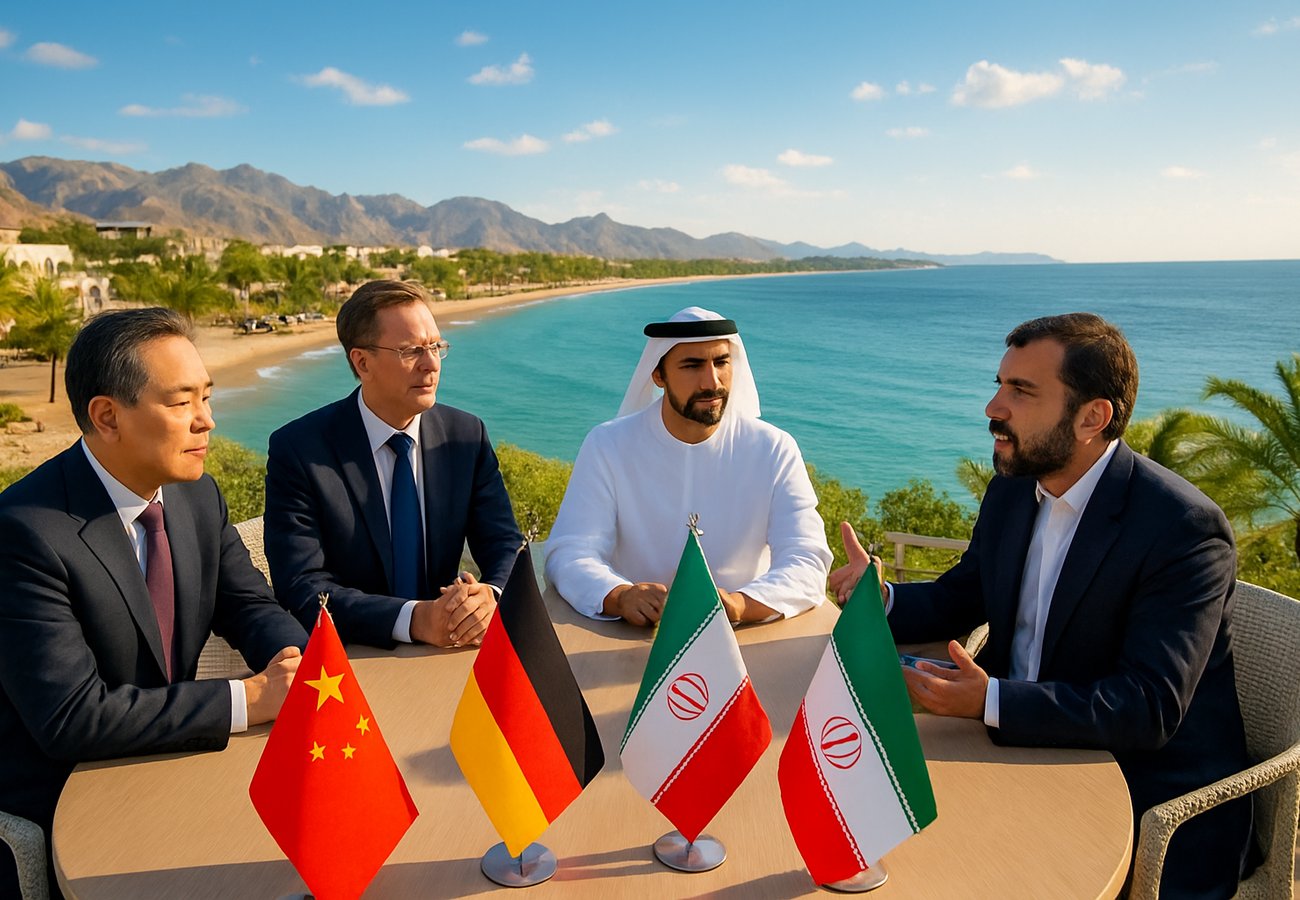
Image generated by AI
Quick Summary
- Coalition for Peace: China, Germany, Australia, Oman, France, UAE, and Russia have formed a united front demanding an immediate ceasefire between Iran and the United States.
- Economic Collapse: The ongoing military strikes have caused a "catastrophic decline" in the Middle East's tourism, air travel, and hospitality sectors.
- Maritime Crisis: The blockade of the Strait of Hormuz has disrupted global oil markets and vital maritime trade routes, further destabilizing regional travel infrastructure.
- Tourism Exodus: Leading hubs like Dubai and Abu Dhabi are reporting an exodus of international visitors as safety concerns and flight cancellations mount.
The Middle East's once-thriving tourism and hospitality industries are facing an unparalleled structural crisis in May 2026. A powerful international coalition of diplomatic heavyweights—led by China and Germany—has issued an urgent demand for a freeze on military actions between Iran and the United States. The joint appeal highlights the devastating ripple effect the conflict is having on global commerce and regional economic recovery. With air travel corridors disrupted and the Strait of Hormuz remaining a high-risk maritime chokepoint, the regional travel economy has entered a period of rapid contraction. From the luxury resorts of the UAE to the historical sites of Jordan and Oman, international arrivals have plummeted, threatening years of progress in diversifying regional economies through tourism. Global leaders are now warning that without an immediate diplomatic intervention, the damage to the region's vital travel infrastructure could become irreversible.
Middle East Tourism and Travel Crisis May 2026: Key National Positions
The following table summarizes the diplomatic and economic stances of the coalition nations regarding the Iran-US conflict.
| Nation | Primary Diplomatic Stance | Core Economic Concern |
|---|---|---|
| China | Immediate Ceasefire & Mediation | Strait of Hormuz Safe Passage |
| Germany | Comprehensive Peace Agreement | Global Oil Trade Stability |
| UAE | Urgent Cessation of Hostilities | Tourism Exodus in Dubai/Abu Dhabi |
| Oman | Independent Neutral Mediation | Regional Hospitality Resilience |
| France | Multilateral Diplomacy & De-escalation | Travel Infrastructure Protection |
| Australia | Condemnation of Violence | Long-term Tourism Revenue Loss |
| Russia | Diplomatic Resolution | Regional Stability & Alliance Security |
Geopolitical Stalemate: Global Powers Unite for a Regional Ceasefire
The international response to the Iran-US violence is increasingly focused on the economic "humanitarian toll":
- Chinese Mediation: Foreign Minister Wang Yi has engaged in direct talks with Tehran, emphasizing that the conflict is a direct threat to global security and the $3 trillion regional trade corridor.
- German Advocacy: Chancellor Angela Merkel has called for a negotiated solution that prioritizes the restoration of air and maritime traffic over military engagement.
- Unified Demand: The coalition is pressuring both Washington and Tehran to accept a "military freeze" to allow for the safe evacuation of civilians and the restoration of commercial aviation.
Economic Fallout: The "Tourism Exodus" from Dubai and Abu Dhabi
The UAE, a cornerstone of global luxury tourism, is bearing the brunt of the instability:
- Arrival Collapse: Dubai and Abu Dhabi have reported a significant exodus of international tourists as major airlines suspend routes due to airspace security risks.
- GDP Risk: With tourism accounting for a substantial portion of the UAE's GDP, the government warns that a prolonged conflict will derail the nation's post-pandemic economic gains.
- Hospitality Downturn: Hotels across the Gulf are reporting unprecedented vacancy rates as long-haul travelers from Europe and Asia cancel their summer bookings.
Maritime Chokepoint: The Strait of Hormuz Blockade and Global Trade
The blockage of the world's most critical oil corridor is a primary driver of the diplomatic push:
- Oil Price Volatility: The blockade has sent shockwaves through international markets, increasing operational costs for airlines and cruise operators globally.
- Travel Security: Iran’s closure of the strait has effectively "walled off" several key Gulf tourism ports, halting the 2026 cruise season in its tracks.
- Coalition Priority: China and Russia are specifically advocating for the "de-weaponization" of maritime trade routes to protect global energy and tourism supplies.
Diplomatic Mediation: Oman and France Push for a Negotiated Settlement
European and Middle Eastern mediators are working around the clock:
- Oman’s Role: The Omani Sultan remains the primary conduit for secret dialogue between the US and Iran, leveraging the nation’s longstanding neutral status.
- French Diplomacy: President Emmanuel Macron is leading the EU charge, arguing that tourism can serve as a "bridge for peace" once military strikes are halted.
- Multilateral Framework: France is proposing an international commission to oversee the security of Middle Eastern airspace to encourage the return of commercial carriers.
The Road to Recovery: Protecting Vital Travel Infrastructure
Global leaders recognize that rebuilding the travel economy will take years:
- Infrastructure Safeguards: The coalition is demanding that civilian airports and ports remain "off-limits" for military strikes to preserve the foundations of the regional economy.
- Safety Guarantees: A key part of the peace talks involves providing international "Safety Guarantees" for commercial flights over the Persian Gulf.
- Economic Healing: Multilateral agencies are being mobilized to provide emergency support for the regional hospitality sector once a ceasefire is successfully implemented.
FAQ: Iran-US Conflict and Middle East Tourism
How has the Iran-US conflict affected tourism in Dubai and Abu Dhabi? The conflict has triggered an exodus of international tourists and caused major airlines to suspend flights, leading to record vacancy rates in the UAE's hospitality sector.
What is the impact of the Strait of Hormuz blockade? The blockade has disrupted global oil markets and effectively closed off several key Gulf ports, halting the 2026 cruise season and increasing costs for the aviation industry.
Which countries are calling for an immediate ceasefire? A global coalition including China, Germany, Australia, Oman, France, UAE, and Russia is demanding an urgent halt to the violence to protect the regional economy.
Related Travel Guides
Disclaimer
This article is for informational and educational purposes only. It does not constitute legal, financial, or professional advice. While we strive to provide accurate and up-to-date information, travel policies, regulations, and conditions change rapidly. Always verify information with official sources before making travel decisions. Nomad Lawyer makes no representations about the accuracy, reliability, completeness, or suitability of the information provided. Readers should consult qualified professionals for advice specific to their circumstances. The views expressed in this article are those of the author and do not necessarily reflect the views of Nomad Lawyer.
Kunal K Choudhary
Co-Founder & Contributor
A passionate traveller and tech enthusiast. Kunal contributes to the vision and growth of Nomad Lawyer, bringing fresh perspectives and driving the community forward.
Learn more about our team →