
Ancient Pelina Acropolis Restoration 2026: Boosting Thessaly Historical Tourism
Greece is revitalizing the Ancient Pelina Acropolis in Thessaly, implementing a restoration project to preserve Hellenistic heritage and drive historical tourism growth in the Trikala region.

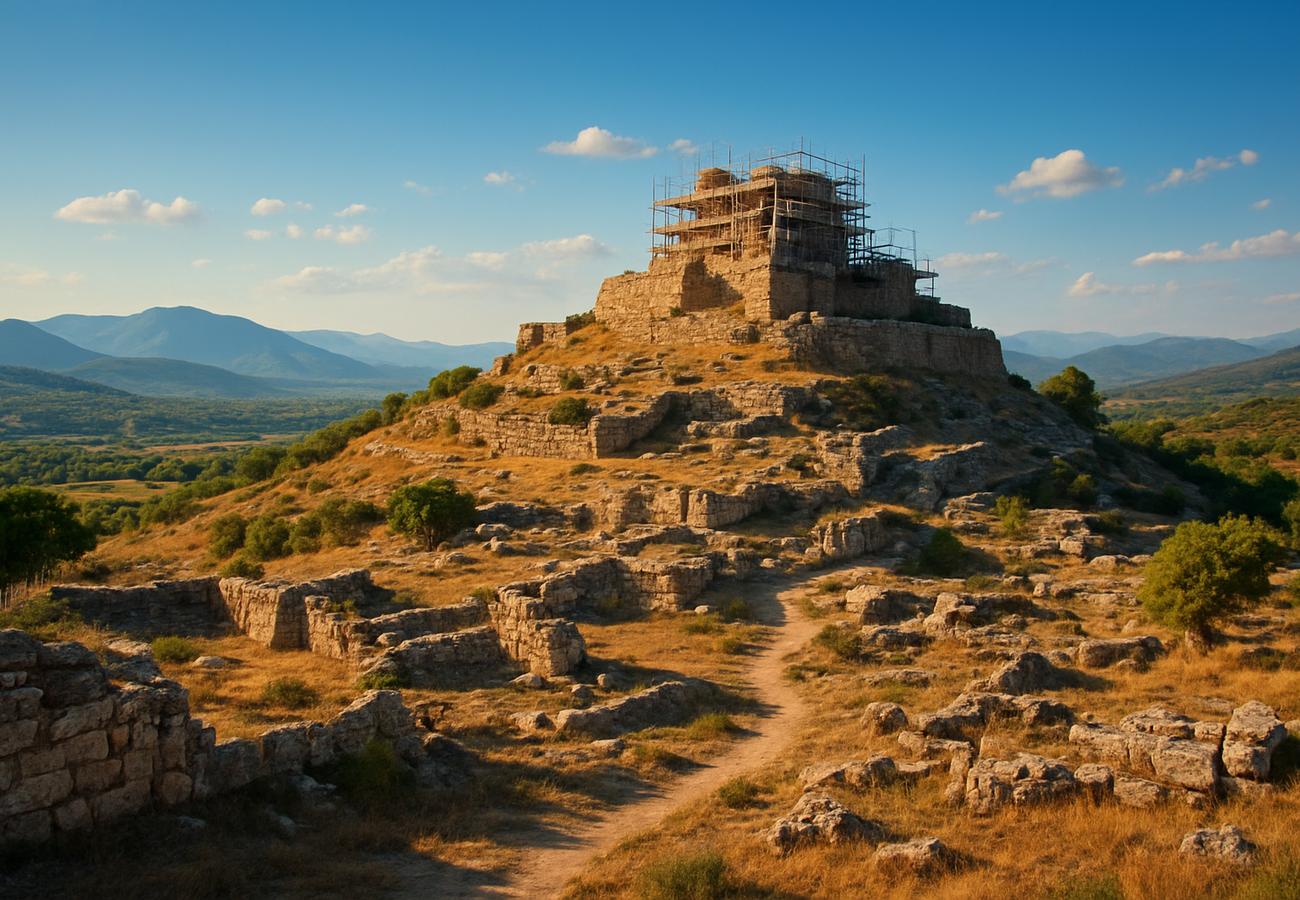
Image generated by AI
Quick Summary
- Strategic Restoration: Greece has launched a major preservation project for the Ancient Pelina Acropolis, located 16 km east of Trikala.
- Hellenistic Heritage: The site was a primary center of Ancient Estiaotida, flourishing as a fortified acropolis during the Hellenistic period.
- Economic Catalyst: The restoration is expected to significantly boost the Thessaly regional economy by increasing demand for local hospitality and interpretive services.
- Inclusive Tourism: The project focuses on improving accessibility to the ancient ruins while utilizing "gentle interventions" to maintain archaeological authenticity.
Greece is reinforcing its position as a global leader in cultural heritage tourism with the official launch of the Ancient Pelina Acropolis restoration project in May 2026. Situated in the heart of Thessaly, Ancient Pelina was a strategic pillar of Ancient Estiaotida, serving as a critical defense hub through the Hellenistic, Roman, and Byzantine eras. The current restoration initiative, led by the Ministry of Culture, aims to preserve the site’s exceptional archaeological remains—specifically its fortified walls—while modernizing visitor infrastructure to meet the rising global demand for historical immersion. By integrating sustainable tourism practices and improving site accessibility, the project is designed to transform Trikala into a premier destination for heritage enthusiasts, fostering long-term economic development and creating new professional opportunities within the local preservation and hospitality sectors.
Ancient Pelina Acropolis Restoration Project: Historical and Economic Metrics
The following table summarizes the historical significance and the projected impact of the restoration.
| Metric | Achievement / Fact | Impact on Thessaly Tourism |
|---|---|---|
| Location | 16km East of Trikala, Thessaly | Enhances regional tourist circuits |
| Historical Significance | Capital of Ancient Estiaotida | Top-tier cultural heritage asset |
| Primary Era | Hellenistic (Fortified Acropolis) | Attracts historical & archaeological niches |
| Project Focus | Wall Restoration & Accessibility | Improves visitor experience & safety |
| Economic Goal | Sustainable Local Growth | Boosts hotels, restaurants, & tour guides |
| Intervention Style | Gentle & Authentic | Preserves site integrity for future research |
| Employment Impact | Tourism & Preservation Jobs | Supports Trikala's socio-economic stability |
Ancient Pelina: A Pillar of Thessaly’s Hellenistic Significance
Ancient Pelina stands as a testament to the strategic military and cultural power of Ancient Greece:
- Defense Hub: Its strategic position made it a vital component of the region’s defense networks, evolving under the subsequent influence of Roman and Byzantine administrations.
- Archaeological Wealth: The site contains extensive remains of Hellenistic architecture, including well-preserved fortified walls that provide a rare look into ancient urban engineering.
- Cultural Continuity: The layered history of the site offers invaluable insights into how regional powers in Thessaly transitioned from the Hellenistic period to the Byzantine era.
Restoration Strategy: Preserving Authenticity with Modern Accessibility
The Ministry of Culture is employing a dual-purpose strategy for the Acropolis:
- Structural Preservation: Focus is placed on the stabilization of ancient walls to prevent further erosion while maintaining the original stonework.
- Gentle Interventions: The restoration uses reversible and non-invasive techniques to ensure that the site’s authenticity remains intact for both tourists and researchers.
- Visitor Infrastructure: New interpretive signage, educational pathways, and educational programs are being introduced to create a more engaging experience for international visitors.
Economic Impact: Driving Historical Tourism Growth in Thessaly
The restoration is a core component of Greece’s 2026 regional development plan:
- Service Demand: As Pelina becomes a featured destination, local businesses in Trikala are expecting a significant rise in demand for high-end lodging and authentic Greek dining.
- Job Creation: The project is stimulating new economic activities, including specialized guided tours, historical research services, and site management roles.
- Diversification: By promoting the inland heritage of Thessaly, Greece is successfully diversifying its tourism portfolio beyond its traditional coastal and island markets.
Cultural Preservation: Protecting the Identity of Ancient Estiaotida
The project is more than an economic initiative; it is a cultural safeguard:
- Identity Restoration: The preservation of Pelina helps restore the historical identity of the Thessaly region, celebrating its unique role in the ancient Greek world.
- Academic Value: Improved accessibility allows for easier academic study and international archaeological collaboration.
- Sustainability: The focus on "low-impact" tourism ensures that the influx of visitors does not compromise the environmental or historical integrity of the acropolis grounds.
Future Outlook: Positioning Trikala as a Global Heritage Hub
The restoration of Ancient Pelina is a blueprint for future regional projects:
- Cultural Branding: Trikala is being rebranded as the "Gateway to Ancient Estiaotida," linking Pelina with other nearby historical assets.
- Digital Integration: Future phases include the introduction of Augmented Reality (AR) tours to help visitors visualize the acropolis as it appeared in the Hellenistic period.
- Global Collaboration: The Ministry of Culture is seeking partnerships with international universities to facilitate ongoing preservation and educational workshops at the site.
FAQ: Ancient Pelina Acropolis Restoration 2026
Where is the Ancient Pelina Acropolis located? The site is located approximately 16 kilometers east of Trikala in the Thessaly region of Greece.
Why is Ancient Pelina historically significant? It was one of the most important cities of Ancient Estiaotida and served as a major fortified acropolis during the Hellenistic period, later used by Roman and Byzantine powers.
How will the restoration affect the local economy? The project is expected to boost historical tourism in Thessaly, increasing demand for hotels, restaurants, and tourism-related services in the Trikala area.
Related Travel Guides
Disclaimer
This article is for informational and educational purposes only. It does not constitute legal, financial, or professional advice. While we strive to provide accurate and up-to-date information, travel policies, regulations, and conditions change rapidly. Always verify information with official sources before making travel decisions. Nomad Lawyer makes no representations about the accuracy, reliability, completeness, or suitability of the information provided. Readers should consult qualified professionals for advice specific to their circumstances. The views expressed in this article are those of the author and do not necessarily reflect the views of Nomad Lawyer.
Kunal K Choudhary
Co-Founder & Contributor
A passionate traveller and tech enthusiast. Kunal contributes to the vision and growth of Nomad Lawyer, bringing fresh perspectives and driving the community forward.
Learn more about our team →