
UAE Airspace Shutdown: Iranian Strikes on Fujairah Trigger Global Flight Reroutes
The closure of UAE airspace following Iranian strikes on the Fujairah oil hub has stranded thousands of travelers and forced immediate flight reroutes across the Middle East.

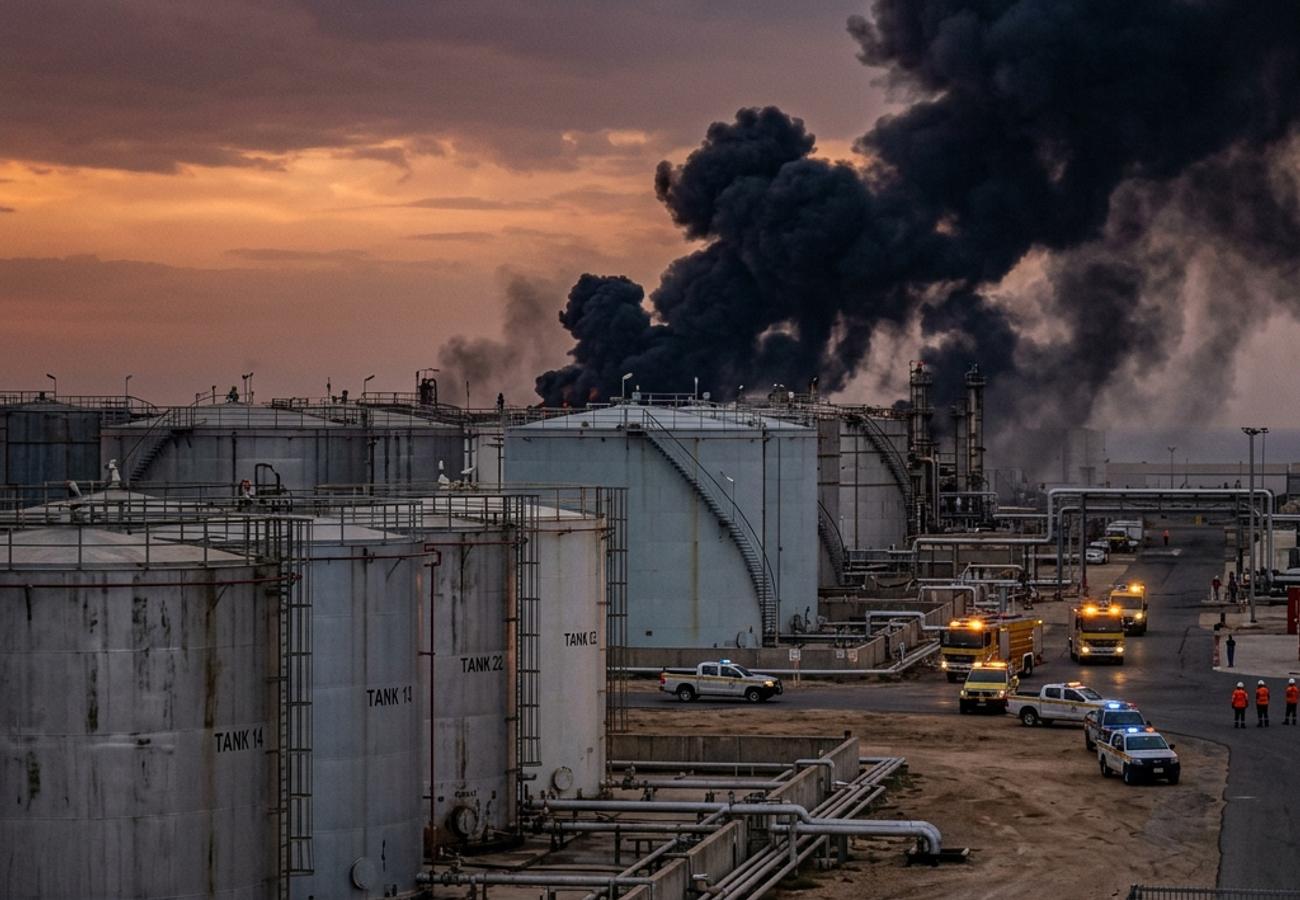
Image generated by AI
Quick Summary
- The UAE has declared a partial shutdown of its airspace following Iranian missile and drone strikes on the strategic Fujairah oil export hub on May 4, 2026.
- Strike Data: UAE air defense systems engaged 12 ballistic missiles, 3 cruise missiles, and 4 UAVs, leading to disruptions at Dubai International (DXB) and Abu Dhabi (AUH).
- Regional Impact: Turkey, Qatar, Saudi Arabia, Oman, Iraq, and Lebanon are facing widespread cancellations and reroutes, with Muscat serving as a primary diversion hub.
- Stranded Travelers: Thousands of passengers remain stuck in regional airports as airlines like Emirates, Etihad, and Qatar Airways scramble to adjust schedules to avoid high-risk zones.
The Gulf region has once again been plunged into aviation chaos as the UAE’s strategic Fujairah oil hub became the target of a significant aerial assault. The resulting airspace closure has severed critical corridors, forcing international carriers to reroute through neighboring countries and leaving a trail of cancellations across West Asia. As tensions escalate, the fragility of regional connectivity is being tested, with travelers and industries alike grappling with the immediate fallout of this developing crisis.
UAE Airspace Crisis: Impacted Airlines & Operational Status (May 2026)
Airlines are operating with extreme caution, frequently adjusting schedules to bypass troubled airspace.
| Airline | Current Operational Status | Affected Routes |
|---|---|---|
| Emirates | Partial Resume | Europe, Asia, Africa; rerouting through safer zones |
| Etihad Airways | Reduced | Regional and long-haul; selective scheduling |
| flydubai | Active / Major Disruptions | Short-haul Gulf routes; significant delays |
| Qatar Airways | Gradual Resume | Europe, Asia, Middle East; rerouting away from Fujairah |
| Gulf Air | Resuming | Bahrain to Middle East; bypassing risk zones |
| Lufthansa | Suspended | All Middle East and Gulf routes until further notice |
| Turkish Airlines | Partial | Middle East and South Asia; rerouting through Iraq/Saudi |
| Air India Express | Active | India-UAE; added flights for stranded traveler evacuation |
The Catalyst: Strikes on Fujairah’s Strategic Infrastructure
Fujairah serves as a vital oil export point for the UAE, located strategically outside the Strait of Hormuz. The May 4 attack aimed to disrupt this critical energy corridor.
- Emergency Activation: The UAE Ministry of Defence confirmed the interception of multiple incoming threats, prompting an immediate partial shutdown of the aviation corridors above the eastern emirates.
- Infrastructure Damage: Massive fires in the Fujairah oil zone injured workers and threatened global supply chains, leading to immediate spikes in maritime and aviation insurance premiums.
UAE and Oman: Ground Zero and Diversion Hubs
The UAE is facing the brunt of the disruption, with its major hubs, Dubai International (DXB) and Abu Dhabi (AUH), experiencing hundreds of delayed or diverted flights.
Oman has emerged as the crucial diversion hub for the region. Muscat International Airport (MCT) is currently at capacity, serving as a safe landing zone for passengers diverted due to UAE and Saudi airspace restrictions. Additionally, Oman’s key ports at Duqm and Salalah are seeing increased congestion as maritime traffic seeks safer waters.
Regional Strain: Qatar, Saudi Arabia, and Lebanon
- Qatar: Hamad International (DOH) is facing increased strain as Qatar Airways reworking schedules in real-time, leading to rising ticket prices and longer transit times for international connections.
- Saudi Arabia: While not directly targeted, the Kingdom has reinforced security at all airports. A dip in tourism arrivals has been noted as travelers avoid the conflict-adjacent regions.
- Lebanon: Beirut’s Rafic Hariri (BEY) has seen a sharp decline in international travelers due to the overall instability and the rerouting of primary Mediterranean-to-Gulf air corridors.
FAQ: UAE Airspace Shutdown & Fujairah Strikes 2026
How many missiles were involved in the Fujairah attack? According to the UAE Ministry of Defence, air defense systems intercepted 12 ballistic missiles, 3 cruise missiles, and 4 drones on May 4, 2026.
Which airports are the safest for diversions right now? Muscat International Airport (Oman) and Kuwait International Airport (Kuwait) are currently acting as the primary safe zones for diverted flights.
Will my flight to Dubai be cancelled? Many airlines have suspended or reduced services. Travelers are strongly advised to check with their carrier at least 6 hours before departure for the latest status updates.
Related Travel Guides
Disclaimer
This article is for informational and educational purposes only. It does not constitute legal, financial, or professional advice. While we strive to provide accurate and up-to-date information, travel policies, regulations, and conditions change rapidly. Always verify information with official sources before making travel decisions. Nomad Lawyer makes no representations about the accuracy, reliability, completeness, or suitability of the information provided. Readers should consult qualified professionals for advice specific to their circumstances. The views expressed in this article are those of the author and do not necessarily reflect the views of Nomad Lawyer.
Kunal K Choudhary
Co-Founder & Contributor
A passionate traveller and tech enthusiast. Kunal contributes to the vision and growth of Nomad Lawyer, bringing fresh perspectives and driving the community forward.
Learn more about our team →