
Germany Flight Chaos Grounds Thousands at Major European Hubs
Germany flight chaos disrupted thousands of passengers on April 12, 2026, as five major airports cancelled 178 flights and delayed 413 others. Frankfurt, Munich, Berlin, Düsseldorf, and Hamburg faced simultaneous operational breakdown affecting Lufthansa, Eurowings, and international carriers.

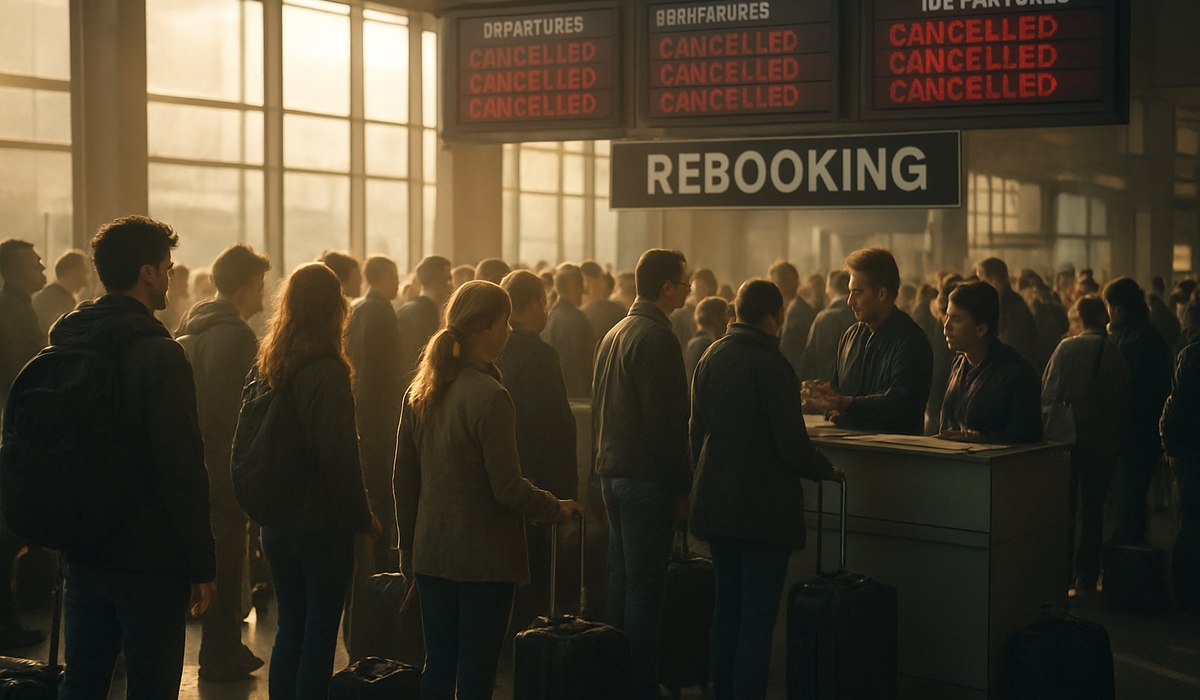
Image generated by AI
Germany Flight Chaos Grounds Thousands Across Five Major Hubs
Thousands of travelers faced severe disruption on April 12, 2026, as Germany's five busiest airports simultaneously experienced operational meltdown. Frankfurt, Munich, Berlin, Düsseldorf, and Hamburg reported 178 flight cancellations and 413 delays, affecting Lufthansa Group carriers, Eurowings, Turkish Airlines, Condor, and Air Dolomiti. The cascading disruptions highlighted how quickly Germany flight chaos can paralyze Europe's transportation network when multiple pressure points converge at hub airports during peak travel windows.
Major German Hubs Struggle With Wave of Disruptions
Frankfurt and Munich, Germany's primary long-haul gateways, bore the brunt of operational turbulence. Flight-tracking data from FlightAware revealed that aircraft and crew rotations fell out of sync across all five metropolitan airports, creating a domino effect that rippled through European networks.
The disruption manifested in congested terminals, overcrowded rebooking queues, and overwhelming pressure on alternative rail and road connections. Travelers scrambled to salvage itineraries as cancellations cascaded through morning and afternoon departure banks. Ground infrastructure reached capacity as airlines attempted real-time schedule revisions.
Industry analysts attributed the simultaneous failure to converging pressures. Recent labor actions combined with spring weather volatility had already strained German aviation operations. When staffing shortages met infrastructure constraints on the same day, even minor delays triggered systemic collapse across interconnected schedules.
Lufthansa Group and Partners Hit Hardest by Germany Flight Chaos
Lufthansa and regional subsidiary Lufthansa CityLine experienced the heaviest impact, reflecting their dominant Frankfurt and Munich presence. Short-haul routes throughout Germany and continental Europe faced substantial delays exceeding several hours, with numerous services cancelled entirely.
Eurowings, operating from Düsseldorf, Hamburg, and Berlin hubs, contended with notable disruptions on leisure and business routes. Reduced aircraft availability and tight crew resources compounded late-running rotations throughout the network, preventing schedule recovery.
Turkish Airlines, Condor, and Air Dolomiti navigated bottlenecks at affected terminals, adjusting frequencies on selected services. Shared terminal infrastructure and congested airspace squeezed capacity, forcing additional carriers to modify departure slots as turnaround times extended unpredictably.
Cascading Effects on Crew Rotations and Alternative Transport
Germany flight chaos exposed vulnerabilities in crew scheduling logistics. Aircraft positioned out-of-sequence prevented timely crew sign-ons for subsequent rotations, forcing cascade cancellations across evening and next-day schedules.
Passengers increasingly pivoted to Deutsche Bahn intercity services, overwhelming rail capacity on popular metropolitan corridors. However, finite rail capacity meant stranded travelers faced overcrowded trains and limited availability on peak services. Some opted for road transport via bus operators, extending journey times significantly.
Digital rebooking systems experienced heavy traffic as passengers attempted remote rescheduling rather than enduring airport queue delays. Customer service teams at Berlin, Düsseldorf, Frankfurt, Munich, and Hamburg worked beyond normal capacity, struggling to accommodate rebooking requests for thousands of affected travelers.
What Travelers Should Know Right Now
Passengers holding confirmed bookings through affected airports should contact airlines immediately. The U.S. Department of Transportation provides guidance on international passenger rights, though European regulations apply to flights from EU airports.
Under European Commission Regulation 261/2004, passengers facing cancellations or substantial delays may qualify for compensation or care obligations depending on disruption cause. Airlines must provide meal vouchers, hotel accommodations, and rebooking on alternative carriers when delays exceed specified thresholds.
Remote rebooking via airline apps and websites typically moves faster than in-airport queuing. Check FlightAware for real-time schedule updates before traveling to affected hubs. Contact your airline's customer service line to confirm current booking status before departing for the airport.
Consider alternative routing through secondary airports when feasible. Train services offer viable options for intra-German and regional European travel, though advance booking ensures seat availability during disruption periods.
Traveler Action Checklist
-
Contact your airline immediately through official app, website, or customer service phone line to confirm flight status and receive rebooking options.
-
Document all expenses related to disruption, including meals, ground transport, and accommodations, for potential compensation claims.
-
Check eligibility for compensation under European regulations at FlightAware or through airline customer advocates.
-
Consider alternative routing via Deutsche Bahn rail services for domestic and regional European connections.
-
Monitor real-time schedule updates before departing for the airport using flight-tracking applications.
-
Request care benefits if facing extended delays, including meal vouchers and hotel accommodation at airline expense.
-
Keep boarding passes and receipts as documentation for compensation applications filed after the disruption resolves.
-
File formal complaints with your airline and European aviation authorities if you experienced uncompensated delays or cancellations.
Germany Flight Chaos Impact Data Table
| Metric | Details |
|---|---|
| Total Cancellations | 178 flights grounded across five airports |
| Confirmed Delays | 413 flights operating late (multiple hours) |
| Passengers Affected | Thousands across Lufthansa, Eurowings, Turkish Airlines, Condor, Air Dolomiti |
| Primary Airports | Frankfurt, Munich, Berlin, Düsseldorf, Hamburg |
| Operational Duration | Full trading day (ongoing next-day recovery) |
| Root Causes | Crew positioning failures, aircraft availability, spring weather, staffing constraints |
| Compensation Status | EU261/2004 applies; eligibility depends on cause determination |
Frequently Asked Questions About Germany Flight Chaos
Q: What compensation am I entitled to if my flight was cancelled?
A: Under EU Regulation 261/2004, passengers on cancelled EU-origin flights may receive €250–€600 depending on flight distance, plus care benefits and rebooking. Compensation depends on disruption classification; extraordinary weather may eliminate eligibility.
Q: How do I claim compensation for my disrupted flight?
A: Contact your airline within six months with documentation including booking confirmation, boarding pass, and expense receipts. If the airline declines, file complaints with national aviation authorities or European consumer advocates.
Q: Are rail and bus services covered under passenger rights if I choose alternative transport?
A: Airlines must arrange alternative transport if providing rebooking. If you independently purchase rail or bus tickets, retain receipts for potential reimbursement claims, though eligibility varies by carrier and circumstances.
Q: When will Germany's five major airports return to normal operations?
A: Recovery typically requires 24–48 hours for crew and aircraft repositioning. Check FlightAware for real-time schedule status; expect reduced frequencies and continued delays during recovery periods.
What This Means for Travelers
Germany flight chaos on April 12, 2026, underscored how interconnected European aviation networks amplify localized disruptions. When five major hubs experience simultaneous operational failure, recovery extends across multiple days as crew and aircraft reposition throughout networks.
Travelers booking flights through Frankfurt, Munich, Berlin, Düsseldorf, or Hamburg should monitor real-time status before departure. During future disruptions, remote rebooking typically moves faster than airport-based customer service. Documenting all expenses strengthens compensation claims filed with airlines
Disclaimer
This article is for informational and educational purposes only. It does not constitute legal, financial, or professional advice. While we strive to provide accurate and up-to-date information, travel policies, regulations, and conditions change rapidly. Always verify information with official sources before making travel decisions. Nomad Lawyer makes no representations about the accuracy, reliability, completeness, or suitability of the information provided. Readers should consult qualified professionals for advice specific to their circumstances. The views expressed in this article are those of the author and do not necessarily reflect the views of Nomad Lawyer.
Preeti Gunjan
Contributor & Community Manager
A passionate traveller and community builder. Preeti helps grow the Nomad Lawyer community, fostering engagement and bringing the reader experience to life.
Learn more about our team →