
Japan Flight Cancellations Disrupt Major Routes in Early May 2026
Multiple carriers including American Airlines, Japan Airlines, and Jetstar canceled at least eight flights across Japan's major routes in early May 2026, disrupting connections between Tokyo, Osaka, and international hubs for thousands of passengers.

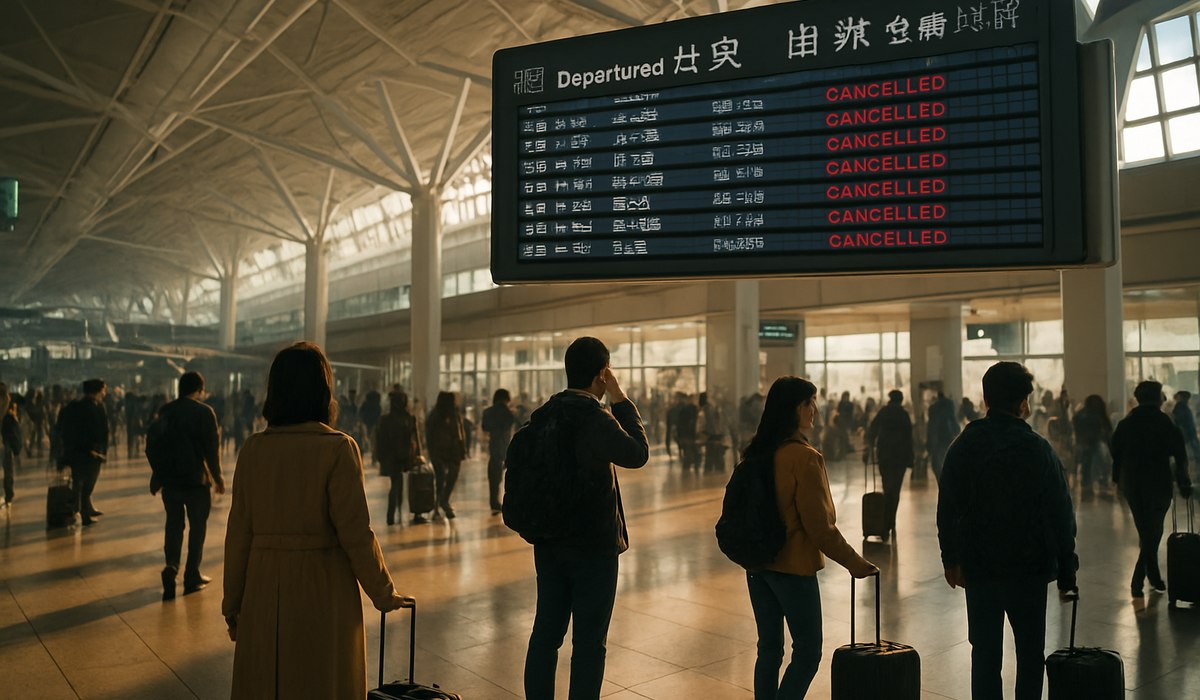
Image generated by AI
Major Airlines Cancel Eight Flights Across Japan's Busiest Corridors
American Airlines, Japan Airlines, and Jetstar have pulled at least eight scheduled flights across Japan's primary air routes during early May 2026, creating significant disruption for regional and international passengers. The cancellations predominantly affect connections linking Tokyo, Osaka, and secondary cities including Hokkaido, Sendai, and Nagoya to North American hubs and Asian gateways. This wave of schedule adjustments represents one of the larger coordinated disruptions across Japan's aviation network so far this year, with particular impact on through-ticket holders relying on tight connections between long-haul and domestic segments.
What We Know About the Latest Wave of Cancellations
Flight status data from early May confirms that multiple carriers suspended service on selected routes without extensive advance notice. American Airlines' Dallas-Tokyo transpacific corridor experienced the most visible disruption, with schedule adjustments affecting the airline's primary bridge between North American markets and Japan's major hubs.
Japan Airlines reported temporary adjustments on domestic sectors connecting secondary cities to Tokyo Narita and Haneda, disrupting onward international itineraries. These changes, while affecting a limited flight count, create outsized impacts for passengers booked on connecting tickets across multiple carriers.
Jetstar's low-cost Japan operations showed non-operating days on flights that normally feed international traffic from Hong Kong and other Southeast Asian gateways into Tokyo and Osaka hubs. Exact flight numbers remain fluid as carriers continue adjusting schedules in real time. Tracking platforms including FlightAware show continued volatility on affected routes through mid-May, suggesting recovery may extend beyond the initial disruption window.
Which Routes Face the Greatest Disruption
The Tokyo-Dallas Fort Worth corridor remains the epicenter of disruption. American Airlines typically operates daily services on this transpacific route, serving as the primary connection point for travelers continuing to Sapporo, Sendai, and Kansai-region destinations. Single cancellations on this route eliminate same-day onward connections for dozens of connecting passengers.
Domestic routes from Tokyo and Osaka to Hokkaido and Sendai experienced particular strain. Reduced frequencies on selected days in May narrowed rerouting options when international flights were canceled. Jetstar's Hong Kong-Osaka and Hong Kong-Tokyo services showed intermittent gaps, eliminating backup alternatives for low-cost segment passengers.
Regional carriers linking Nagoya to broader Asian networks also reported minor adjustments. For complex itineraries combining premium long-haul tickets with budget carriers, the cumulative effect of two to three individual flight cancellations makes same-week travel completion increasingly difficult.
Impact on Through-Ticket Passengers and Connection Networks
Passengers holding single-ticket itineraries across multiple carriers face compounded challenges. When an American Airlines transpacific flight cancels, passengers must rely on Japan Airlines or other carriers for domestic repositioning. If those domestic alternatives also show reduced frequencies, passengers may face multi-day delays or forced route changes through unfamiliar Asian hubs.
Particularly vulnerable are travelers connecting from North America to secondary Japanese cities. A cancelled Dallas-Tokyo flight combined with reduced domestic frequencies means passengers cannot reach Hokkaido or Sendai on their planned date without routing through alternate Asian cities, adding 12-24 hours to total travel time.
Business travelers and tourists booked during the tail end of Japan's Golden Week holiday period face additional challenges, as hotels and ground transportation become harder to rebook. The concentration of disruption around a peak-demand window amplifies traveler frustration beyond the immediate flight cancellations.
What Travelers Should Do Now
Passengers with reservations on Japan flight cancellations should take immediate action to protect their bookings and ensure connectivity.
Traveler Action Checklist:
-
Verify your reservation status on your airline's website or app; do not assume cancellation until officially confirmed.
-
Contact your booking airline directly (not third-party sites) to explore rebooking options on alternate flights, including competitor carriers if applicable.
-
Request meal vouchers, hotel accommodations, and ground transportation if your cancellation requires overnight delay under US DOT consumer protections.
-
Monitor FlightAware for real-time schedule updates and trend analysis on your specific flights.
-
Photograph your airline confirmation and cancellation notices; these serve as documentation for future compensation claims.
-
File written complaints with your airline within 60 days if you experience damages beyond rebooked flights; retain copies for regulatory submissions.
-
Check Japan Airlines and American Airlines websites separately for cash compensation eligibility under Japanese consumer regulations.
-
If traveling with codeshare tickets, contact both the marketing and operating carriers, as rebooking responsibility may differ.
Underlying Causes: Weather, Seasonal Pressure, and Operational Transitions
Early May coincides with the conclusion of Japan's Golden Week holiday period, when demand surges and carriers operate dense schedules. High aircraft and crew utilization during this window provides minimal recovery buffer when weather or technical issues emerge.
Spring weather instability across central United States, particularly around Dallas Fort Worth, likely triggered some American Airlines schedule adjustments. Hub carriers often preemptively consolidate or cancel long-haul flights to protect network reliability when severe weather threatens.
Japan's aviation sector is experiencing structural transitions, including fleet renewals, partnership evolution, and ownership changes affecting regional carriers. These operational adjustments coincide with the peak spring travel season, creating additional scheduling pressure.
Real-Time Flight Tracking and Monitoring Resources
Travelers monitoring Japan flight cancellations should leverage multiple information sources. FlightAware provides minute-by-minute operational data and historical disruption patterns. The FAA website offers North American airport status information affecting transpacific routes.
Airline-specific apps provide direct schedule updates, though these sometimes lag official announcements by hours. Setting flight alerts across multiple platforms ensures you receive timely notifications if your specific reservation is affected.
Passenger Rights and Compensation Framework
Under US DOT regulations, US carriers canceling flights must offer passengers rebooking or cash refunds. Passengers experiencing cancellations causing overnight delays qualify for meal, hotel, and ground transportation reimbursement.
Japan Airlines, as a Japanese carrier, follows Japanese consumer protection regulations, which provide similar protections but with different claim procedures. Passengers should research their specific airline's policy before submitting claims, as compensation amounts and eligibility criteria vary by carrier and route type.
International routes triggering the Montreal Convention provide additional passenger protections. Document all expenses incurred due to cancellations, as airlines may reimburse damages beyond airfare.
FAQ
Q: What is causing the Japan flight cancellations in May 2026? No single cause has been officially confirmed. Contributing factors likely include Golden Week holiday demand peaking, spring weather instability affecting Dallas Fort Worth, and structural operational transitions across Japanese carriers. The combination of high seasonal utilization and external disruptions reduces recovery capacity.
Q: How many flights are actually cancelled? Confirmed data shows at least eight identifiable flights canceled or suspended across American Airlines, Japan Airlines, and Jetstar during early May. Additional flights may experience delays or schedule adjustments. Exact counts fluctuate as carriers adjust operations in real time.
Q: Will my connecting flight be automatically rebooked if the first flight cancels? Not automatically. US carriers must offer rebooking options, but passengers must actively contact airlines to arrange alternate flights. Same-day connections are not guaranteed even with single-ticket bookings. Contact your airline immediately upon cancellation notification.
Q: What compensation should I expect? Compensation varies by airline and route. US
Disclaimer
This article is for informational and educational purposes only. It does not constitute legal, financial, or professional advice. While we strive to provide accurate and up-to-date information, travel policies, regulations, and conditions change rapidly. Always verify information with official sources before making travel decisions. Nomad Lawyer makes no representations about the accuracy, reliability, completeness, or suitability of the information provided. Readers should consult qualified professionals for advice specific to their circumstances. The views expressed in this article are those of the author and do not necessarily reflect the views of Nomad Lawyer.
Raushan Kumar
Founder & Lead Developer
Full-stack developer with 11+ years of experience and a passionate traveller. Raushan built Nomad Lawyer from the ground up with a vision to create the best travel and law experience on the web.
Learn more about our team →