
UK Inflation Drives Generational Shifts in Domestic Tourism and Holiday Habits
Rising living and travel costs in the UK are redefining how Gen Z, families, and retirees plan vacations, shifting demand to value-focused destinations.

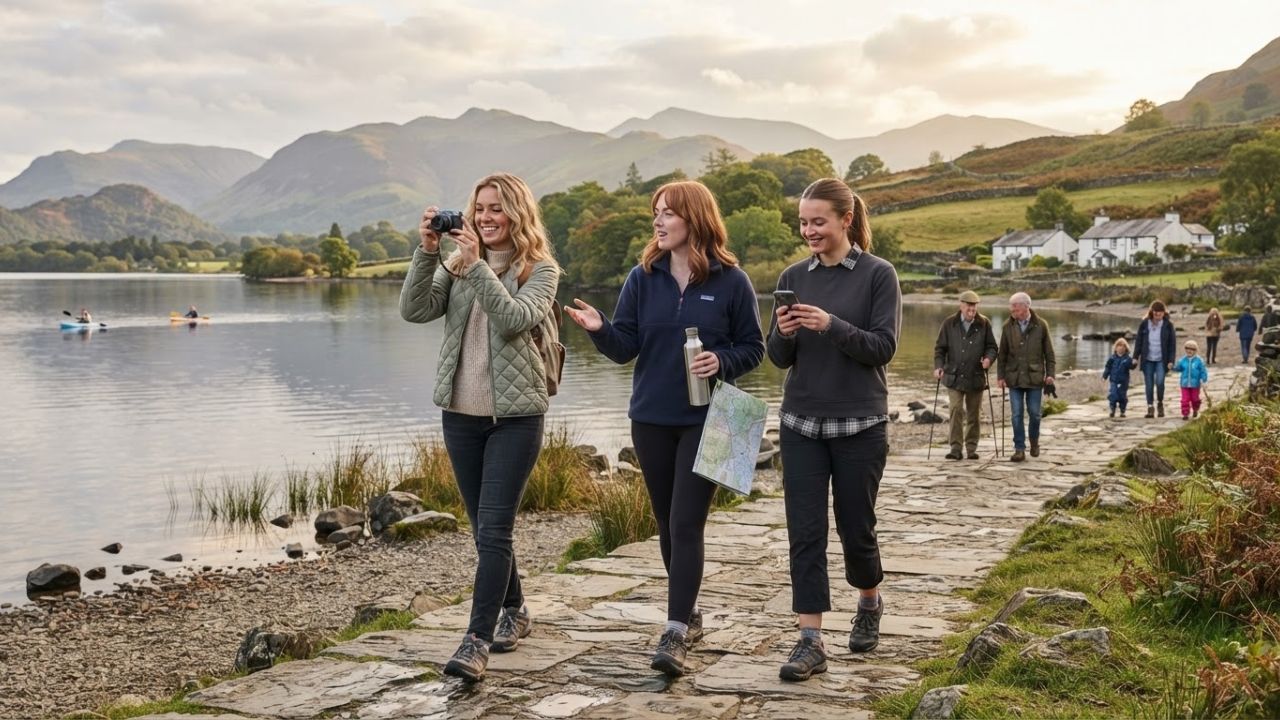
Image generated by AI
UK inflation is driving a significant division in domestic travel habits, forcing different generations to adapt their budgets, trip lengths, and destination choices. With visitor numbers to Cumbria declining by 3.3% in 2024, travelers are shifting their focus from luxury packages to experience-driven, value-focused staycations.
The Cost of Living Impact on British Vacation Habits
The post-2021 spike in inflation has left a lasting footprint on household budgets across the United Kingdom. Although the rate of inflation has slowed from its peak, the impact remains because prices for everyday goods, utilities, and transport rarely return to previous levels. Consequently, British travelers are making vacation decisions based on a significantly higher cost base, forcing them to analyze the value of their holiday spending.
According to recent consumer sentiment surveys by YouGov, nearly 60 percent of British travelers have modified their travel plans due to cost-of-living concerns. This includes choosing destinations that are closer to home, cooking their own meals instead of eating at restaurants, and reducing their overall holiday budget. This cautious approach is forcing hotels and guesthouses to re-examine their service offerings, focusing on basic comforts and self-catering amenities to attract budget-conscious guests. This economic pressure has disrupted the traditional UK holiday model, where families saved throughout the year for a major summer trip. Instead of committing to long overseas holidays, consumers are comparing expensive international flights with domestic alternatives. Many are shortening their trips, traveling outside peak periods, or choosing destinations that offer free outdoor activities. The shift has created a fragmented tourism market where generations follow different travel patterns to balance their desire to travel with strict budget constraints.
The Cumbria and Lake District Tourism Economy Shifts
The Lake District National Park in Cumbria remains one of the UK’s most important tourism destinations, but inflation has altered how visitors engage with the region. Official figures from the Lake District National Park Authority show that the area welcomed 18.11 million tourists in 2023, generating approximately £2.304 billion in tourism revenue. However, recent tourism research from Cumbria highlights the challenges created by rising costs.
In 2024, Cumbria’s tourism economy contributed £4.6 billion and supported 74,823 jobs, but visitor numbers declined by 3.3%, visitor days fell by 5%, and inflation-adjusted revenue dropped by 5.7% compared with the previous year. This decline reflects a wider national trend where travelers are reducing their holiday spending. Cumbria Tourism has launched a new marketing campaign called 'Love the Lakes' to encourage local visitors to support independent hospitality businesses. The campaign highlights under-the-radar walking routes, historic heritage sites, and local craft breweries that offer affordable day-trip options. By promoting these local assets, the regional tourism board aims to offset the decline in international visitors, helping to stabilize the Cumbrian economy during this high-inflation period. In response, local businesses are adapting their services, focusing on providing high-quality experiences that offer clear value for money to attract cost-conscious visitors.
Generational Divergence: Gen Z and Millennials Adapt
Generation Z and younger millennials are emerging as the most flexible group in this changing tourism environment. Younger travelers continue to prioritize travel as an essential lifestyle goal, but they are adapting how they travel to cope with inflation. Instead of booking traditional package holidays, they are choosing budget airlines, shared hostels, and off-season departures.
This shift has made experiences far more important than luxury accommodation. Younger visitors are looking for hiking routes, outdoor adventures, and local cultural events rather than premium resorts. Research shows that younger visitors are becoming a larger part of the tourism mix in the Lake District, with the proportion of visitors aged 16–34 increasing compared with previous years. This trend provides opportunities for offbeat destinations that can offer authentic cultural experiences at affordable price points.
Budget Pressures on Families and Retirees' Search for Value
Working families represent the group most affected by inflation-driven price spikes. Because school calendars restrict their travel dates, families are forced to travel during peak school holiday periods when flights and accommodation are most expensive. To manage their budgets, many families are choosing domestic beach holidays in Devon and Cornwall, shortening their stay length, or cutting back on dining out during their trip.
In contrast, retired travelers have the flexibility to travel during off-peak months, allowing them to avoid school holiday price surges. While retirees are sensitive to inflation, they prioritize comfort, safety, and quality services over the lowest possible price. For these older travelers, value remains the deciding factor. They are willing to pay for comfortable lodging and reliable transport if it provides a high-quality experience, encouraging tour operators to develop heritage and wellness packages tailored to their needs.
Visitor Guide: Budget Staycation Tips, Local Dining, and Eco-Transit
Navigating the Lake District and other UK destinations sustainably involves planning transport, choosing local dining, and respecting the environment. By following these guidelines, travelers can reduce costs and support the regional economy.
When traveling to the Lake District, utilize public transport to explore the region sustainably. The Stagecoach 555 bus route is an excellent, eco-friendly option that runs between Lancaster and Keswick, passing through Kendal, Windermere, Ambleside, and Grasmere. The top deck of the bus offers panoramic views of the mountains, allowing you to complete linear walks without needing a private car. Timetables can be downloaded from the official Stagecoach app.
Sample local culinary specialties that support Cumbrian producers. Try traditional Cumberland Sausage, a peppery pork sausage sold in long coils that is protected by law to ensure it is made within Cumbria. Visit the historic Grasmere Gingerbread shop, situated in the former village schoolhouse, to taste the unique ginger biscuit-cake invented by Sarah Nelson in 1854. Look for Herdwick lamb on local menus, which supports Cumbrian fellside farmers who rear this hardy, native breed of grey sheep.
Observe the Countryside Code to protect the natural environment. Always stick to marked paths to prevent soil erosion, close farm gates behind you, and keep dogs on leads around grazing livestock. Carry out all trash, as wild camping, fires, and barbecues are not permitted in the National Park. Pack waterproof layers and warm clothing, as mountain weather can change quickly.
Future Outlook: Rebuilding a Resilient Domestic Tourism Model
The long-term success of the UK's domestic tourism sector depends on how destinations adapt to changing generational expectations. Official government tourism strategies focus on improving regional connectivity, supporting local hospitality businesses, and promoting sustainable visitor management.
This long-term shift is supported by VisitBritain's national tourism recovery plan, which advocates for expanding public transport networks to connect rural destinations with major cities. By integrating train schedules with regional bus routes and cycle paths, the government aims to make the countryside more accessible to car-free travelers. This infrastructure support is vital to ensure that domestic destinations remain competitive, helping to build a more sustainable and resilient tourism sector across the UK. By investing in digital passenger services, maintaining flexible booking options, and highlighting affordable outdoor experiences, regional destinations can remain competitive. Shifting focus toward sustainable, low-impact travel options allows national parks like the Lake District to balance economic growth with environmental protection. This adaptive approach ensures that the UK remains an attractive destination, proving that meaningful travel experiences can be achieved even during challenging economic times.
Related Travel Guides
Disclaimer
This article is for informational and educational purposes only. It does not constitute legal, financial, or professional advice. While we strive to provide accurate and up-to-date information, travel policies, regulations, and conditions change rapidly. Always verify information with official sources before making travel decisions. Nomad Lawyer makes no representations about the accuracy, reliability, completeness, or suitability of the information provided. Readers should consult qualified professionals for advice specific to their circumstances. The views expressed in this article are those of the author and do not necessarily reflect the views of Nomad Lawyer.
Preeti Gunjan
Contributor & Community Manager
A passionate traveller and community builder. Preeti helps grow the Nomad Lawyer community, fostering engagement and bringing the reader experience to life.
Learn more about our team →