
Underground Fortresses and Mega Museums Redraw Europe's Travel Map
Secret Cold War bunkers in Italy, industrial art centers in Brussels, and monumental crypts in Berlin emerge as Europe's top new travel destinations.

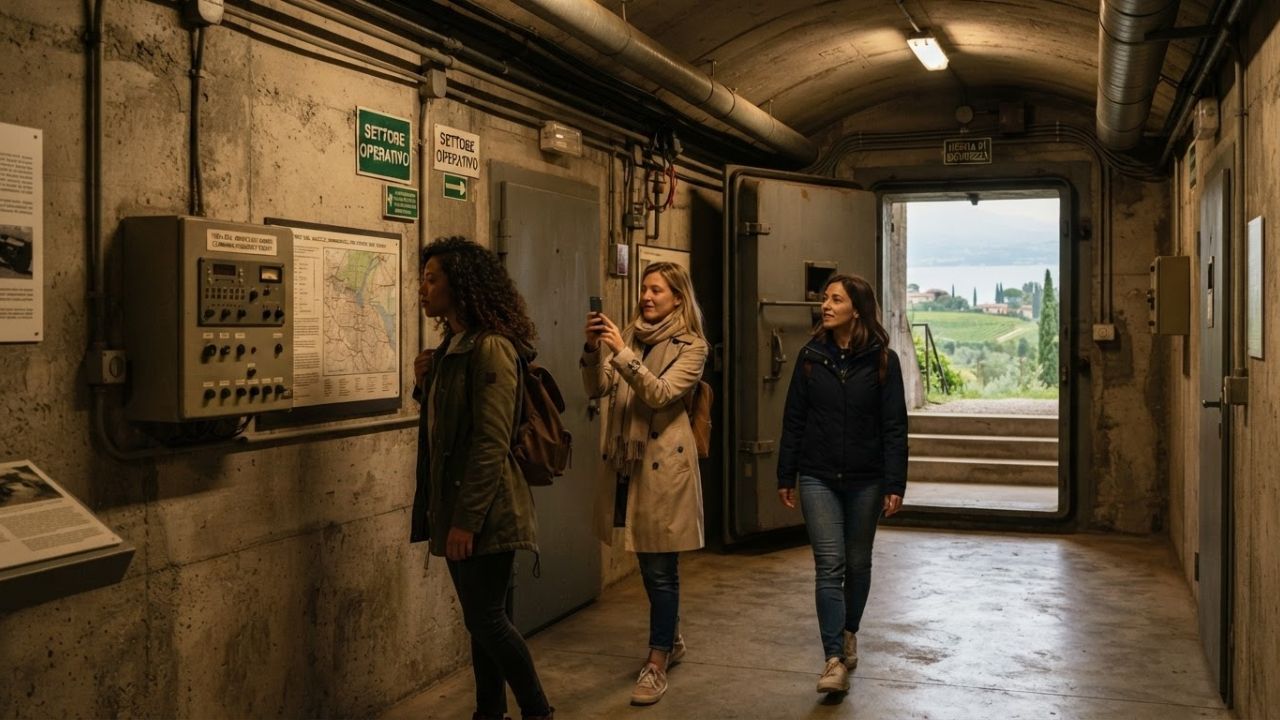
Image generated by AI
With cultural tourism representing nearly 40% of European travel demand, destinations are transforming former military strongholds, industrial spaces, and hidden royal crypts into major visitor experiences in H2 2026.
The European travel sector is observing a significant shift in destination development, with historic preservation and adaptive reuse projects redrawing the tourism map. Travel research shows that cultural travelers typically stay 22% longer and spend 38% more per day than average visitors, prompting regional tourism departments to invest in unique, high-yield historical attractions. From the hills of northern Italy to the industrial canals of Brussels, these projects provide travelers with alternative destinations that distribute passenger traffic away from overcrowded traditional landmarks, supporting regional hospitality economies and protecting local heritage.
For the traveler, the real impact of these developments is the opportunity to engage with history through interactive, immersive spaces. Rather than visiting static galleries, travelers can explore underground command centers, watch behind-the-scenes museum conservation, or hike along newly connected coastlines, creating a more diverse and educational travel experience.
Reddit: "I love that Europe is opening up these industrial and military spaces. The West Star bunker sounds like an incredible day trip from Lake Garda, especially for anyone tired of the usual crowded castle tours." — r/travel
Italy's West Star Bunker: From NATO Fortress to Cold War Museum
Verona and the Lake Garda region are preparing to introduce one of northern Italy's most unusual underground attractions. The former NATO West Star bunker, located in the hills near Affi, is being converted into a Cold War museum. The Italian Parliament has approved €7 million for the project, with completion targeted for 2029 and a partial opening planned as early as next summer. Once fully operational, the attraction is expected to welcome approximately 100,000 visitors annually.
The underground military complex covers around 13,000 square metres, containing more than 100 rooms connected by approximately one kilometre of tunnels. Constructed between 1960 and 1966, the bunker served as an active command center during the height of twentieth-century geopolitical tensions. Engineered to withstand nuclear, chemical, and biological threats, the complex featured advanced filtration systems, water tanks, and housing designed to support 300 personnel for up to 30 days.
The site was decommissioned after decades of military use and transferred from Italy's Ministry of Defense to the Municipality of Affi in 2018. This transfer laid the groundwork for its transition into a civilian heritage destination. The museum plan will make 70 to 80 per cent of the underground facility accessible to the public, showcasing original war rooms, communication equipment, and 1960s technology, including early computer networks related to ARPANET. The project adds a modern historical chapter to Verona's defensive history, which spans almost 2,000 years and includes 9 kilometres of historic fortifications covering nearly 900 hectares. Guided visits to other regional defensive structures, such as the Bastione delle Maddalene, complement the bunker's twentieth-century narrative.
Mega Museums and Art Sanctuaries: Brussels, London, and Valencia
In Belgium, Brussels is preparing for the grand opening of KANAL-Centre Pompidou on 28 November 2026. Housed in a former Citroën garage, a massive modernist industrial building constructed in the 1930s, this 40,000-square-metre contemporary art venue features galleries, performance spaces, a library, and an on-site bakery and restaurant. The architectural conversion preserves the building's historic glass and steel framework. The opening program includes 10 exhibitions bringing major works from the Centre Pompidou collections to the canal-side Sainctelette district, supporting neighborhood revitalization and creating a new focal point for contemporary art.
London has expanded its cultural reach with the V&A East Storehouse, located in Queen Elizabeth Olympic Park in Stratford. The 16,000-square-metre facility provides public access to more than 250,000 objects, 350,000 library books, and over 900 archives. The storehouse features a unique public portal where visitors can request to see specific objects from the collections in a dedicated viewing room, transforming how the public interacts with museum archives. This model encourages tourists to explore East London's creative district. Similarly, Valencia, Spain, is developing the Espai Manolo Valdés, scheduled for late 2026, which will host contemporary sculptures, aligning with the region's Tourism Sustainability Strategy 2024–2028.
Monumental Historic Sites: Berlin's Cathedral Crypt and England's Coast Path
Berlin has restored one of its most significant historic attractions with the reopening of the Hohenzollern Crypt beneath Berlin Cathedral. Covering 1,500 square metres, the crypt contains 91 coffins and sarcophagi belonging to members of the Hohenzollern dynasty. Reopened on 1 March 2026 after six years of extensive renovations, the project focused on repairing structural water damage and restoring the historic sarcophagi, some of which are masterworks of Baroque and Renaissance craftsmanship. The crypt features a digital visitor experience that integrates with the nearby Museum Island complex.
In the United Kingdom, the King Charles III England Coast Path represents a regional, movement-based tourism development. Once fully completed, the path will span approximately 4,303 kilometres, linking coastal communities, cliffs, and national parks. Walkers can enjoy diverse terrains, from the sandy beaches of Cornwall to the dramatic chalk cliffs of Dover, and access new coastal right-of-way zones that were previously private land. The trail supports slow travel and eco-tourism, distributing visitor spending directly to rural hotels, restaurants, and transport providers along the English coastline.
Local Insider Secrets: Navigating Europe's Evolving Attractions
To help you explore these new cultural destinations safely and comfortably, travel specialists suggest the following tips:
- Affi Travel Logistics: When planning a visit to the West Star bunker, use the A22 motorway to access Affi from Verona or Lake Garda. Stop at the local outlet center for dining options, and check municipal listings for guided tours of Verona's historic bastions, including the Bastione delle Maddalene.
- V&A East Navigation: In London, make sure not to confuse the V&A East Museum (on Carpenters Road) with the V&A East Storehouse (in the Here East building on Parkes Street). The Storehouse is best accessed via Hackney Wick station, and booking in advance is recommended for specific collection research sessions.
- Canal Dining in Brussels: When visiting the KANAL-Centre Pompidou, walk along the historic canal in the Sainctelette district to find traditional Belgian brasseries serving local cuisine, avoiding the tourist-heavy restaurants in the central plaza.
- Dressing for Underground Sites: Bunkers and crypts maintain cool, damp conditions year-round. Bring a light jacket or sweater even when visiting during the warm summer months.
- Respecting Sacred Settings: When visiting the Hohenzollern Crypt in Berlin, maintain a quiet, respectful demeanor, dress appropriately, and follow local guidelines regarding photography inside the cathedral.
Frequently Asked Questions
What was the original purpose of the West Star bunker? Built during the Cold War, the West Star complex was a secure NATO command and communications center designed to survive nuclear emergencies.
Where is the KANAL-Centre Pompidou located? The new museum is located along the canal in the Sainctelette district of Brussels, Belgium, and occupies a former industrial site.
How long is the King Charles III England Coast Path? Once fully completed, the coastal walking route will cover approximately 4,303 kilometres around the coastline of England.
Do I need a ticket to visit the V&A East Storehouse? Admission is free, but visitors should check online schedules for specific archival research access or special events.
Discover the hidden layers of history and modern art on your next European travel itinerary.
Related Travel Guides
Rising Cultural Attraction Ticket Prices Impact Global City Tourism
Banff, Mykonos, and Sydney Named Most Beautiful Summer Cities of 2026
Disclaimer
This article is for informational and educational purposes only. It does not constitute legal, financial, or professional advice. While we strive to provide accurate and up-to-date information, travel policies, regulations, and conditions change rapidly. Always verify information with official sources before making travel decisions. Nomad Lawyer makes no representations about the accuracy, reliability, completeness, or suitability of the information provided. Readers should consult qualified professionals for advice specific to their circumstances. The views expressed in this article are those of the author and do not necessarily reflect the views of Nomad Lawyer.
Preeti Gunjan
Contributor & Community Manager
A passionate traveller and community builder. Preeti helps grow the Nomad Lawyer community, fostering engagement and bringing the reader experience to life.
Learn more about our team →