
Copenhagen Shapes Europe's New Travel Map: Business and Ecotourism Rise
European cities are entering a new growth era. Copenhagen leads Northern Europe in combining business travel with sustainable city tourism.

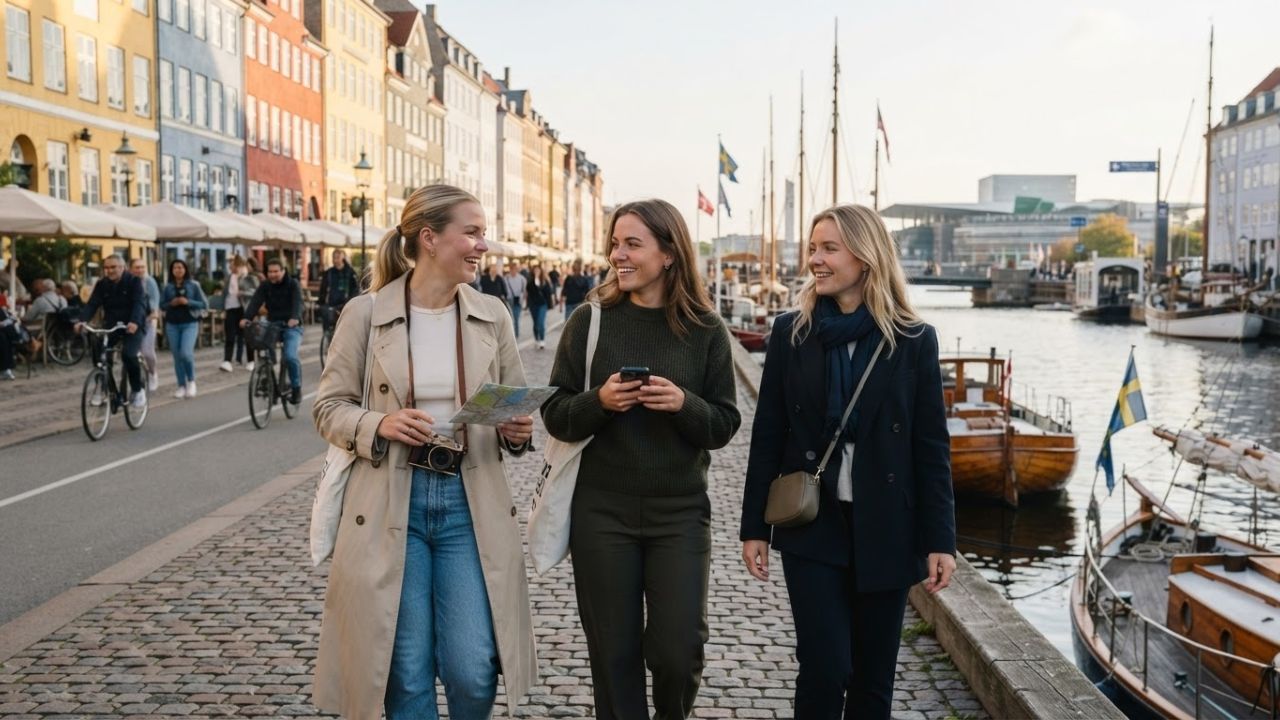
Image generated by AI
With European airports handling a record 2.6 billion passengers in 2025, cities like Copenhagen, Barcelona, and Dublin are redefining the continent's travel map by combining business mobility with rich, experience-driven leisure tourism.
The European travel market is observing a significant realignment, moving past simple demand recovery into a new growth era. European airports handled a record 2.6 billion passengers in 2025, creating strong momentum for further expansion in 2026. While the wider economy remains under pressure and airlines manage rising fuel prices and geopolitical uncertainties, consumer demand for mobility remains strong. Travelers continue prioritizing cultural trips and city breaks, while businesses expand their investments in meetings, conventions, and regional partnerships. The cities experiencing the strongest growth are those that can attract corporate travelers and vacationers simultaneously.
For the traveler, the real impact of this new map is the shift toward point-to-point regional travel. The European Travel Commission reports that around 80% of European travel demand is intra-regional, meaning that most passenger movement occurs within the continent. Shorter flights and high-speed rail links make it easier for business professionals to maintain regional operations, while leisure travelers can explore neighboring countries with reduced transit times. Legacy carriers and budget operators are adapting by adjusting their schedules to support these high-frequency regional corridors.
Reddit: "With short flight times and great public transport, it's so easy to do a long weekend in Northern Europe. Copenhagen and Dublin are perfect examples of cities that work for both quick work trips and weekend breaks." — r/travel
The Rise of Northern European Business Hubs: Copenhagen, Dublin, and Zurich
Copenhagen has emerged as one of the strongest performers among major European gateways, with Copenhagen Airport recording 6.8% passenger growth during the first half of 2026. The Danish capital benefits from its role as a key Northern European commercial center, drawing business travelers while promoting its distinct culture. The city's focus on green infrastructure and urban cycling makes it a model for sustainable travel, attracting environmentally conscious visitors. Travelers can swim in the clean harbor baths, such as Islands Brygge, and stay in eco-certified hotels that prioritize waste reduction and renewable energy.
Similarly, Dublin and Zurich are experiencing strong passenger growth driven by corporate mobility. Dublin recorded a passenger increase of 5.9% in the first half of 2026, supported by its position as an international technology and financial services hub. Corporate travelers fill the hotels around the Silicon Docks district, while weekend visitors explore the city's literary history. This makes Dublin a key hub for corporate aviation, with multiple daily connections linking the city to North American and continental European cities. Zurich Airport grew by 5.6%, leveraging Switzerland's strong financial sector alongside its traditional tourism appeal. Meanwhile, Zurich’s integration of high-speed rail and regional bus networks allows business visitors to easily reach peripheral economic zones throughout Switzerland. These statistics demonstrate that corporate travel remains a major driver of aviation network development, helping cities maintain consistent visitor volumes throughout the year.
Spain's Dual Tourism and Corporate Engines: Barcelona and Madrid
Spain remains a dominant market in the European travel network, with its two largest cities demonstrating how business and leisure demand can work together. Barcelona Airport recorded 4.4% passenger growth in the first half of 2026, while Madrid Airport increased by 4.2%. These figures highlight the complementary strengths of the two destinations.
Barcelona attracts international visitors through its Mediterranean lifestyle, architecture, and cultural heritage, but it has also established itself as a premier destination for corporate exhibitions, medical congresses, and tech summits. These events draw high-spending business travelers during the off-season, supporting local hotels, restaurants, and transport services. Additionally, the city uses digital flow management to direct tourists away from overcrowded areas like the Gothic Quarter toward quieter neighborhoods like Poblenou. Madrid, as the country's political and financial capital, draws steady corporate and government travel, acting as a key gateway for transcontinental connections. Business events in Madrid, such as the Fitur international tourism trade fair or various medical conferences, attract thousands of delegates who explore the local culinary offerings and traditional neighborhoods. These corporate travelers help maintain high occupancy levels in hotels outside the traditional summer holiday months. Visitors in Madrid can also explore the historic Retiro Park, a UNESCO World Heritage site, which serves as a green sanctuary in the heart of the city.
Mediterranean Leisure and Heritage Drivers: Malaga, Athens, Rome, and Milan
Leisure travel remains a primary driver of passenger growth along the Mediterranean. Malaga Airport recorded 6.7% passenger growth in the first half of 2026, drawing visitors searching for coastal retreats, warmer climates, and historic regional towns. Athens Airport grew by 4.5%, serving as both a primary cultural destination and a major transit gateway for travelers connecting to the Aegean islands. The city’s ancient monuments continue to draw millions, prompting local authorities to implement timed-entry ticketing to preserve fragile archeological sites.
In Italy, Rome's Fiumicino Airport grew by 0.3% in the first half of 2026, maintaining its high passenger volumes through its world-famous historical heritage and event-based travel. Municipal tax revenues generated from tourist stays are reinvested directly into restoring historic fountains and plazas, ensuring that public infrastructure remains clean and intact. Milan is observing a significant passenger surge ahead of the Milano Cortina 2026 Winter Olympics. Milan Malpensa Airport recorded 8.6% passenger growth in 2025, demonstrating how major international events can drive infrastructure investments and boost regional visitor economies. High-speed rail connections are being upgraded to link Milan's central terminal directly with the Alpine venues.
Local Insider Secrets: Navigating Copenhagen and Spain's Capitals
To help travelers experience these European hubs efficiently and sustainably, local experts recommend several insider strategies:
- Optimal Travel Windows: Visit Copenhagen in May or September to enjoy pleasant weather and long daylight hours with fewer crowds. For Spain's major cities, plan your trip in spring (April to May) or autumn (October to November) to avoid the intense summer heat and peak room rates.
- Dining Customs in Denmark: Experience local gastronomy. Try traditional smørrebrød (open-faced rye bread sandwiches) at classic lunch spots like Restaurant Schønnemann or modern eateries like Aamanns 1921. Remember that smørrebrød is strictly a lunch dish, and reservations are highly recommended.
- Tapas Trails in Madrid: When in Madrid, explore the traditional taverns of the La Latina neighborhood. Order local specialties like patatas bravas or jamón ibérico, and support family-owned establishments rather than international chains.
- Transit and the Copenhagen Card: Copenhagen is highly walkable and bike-friendly. If you plan to visit multiple museums and take public transport, the Copenhagen Card covers both and is highly cost-effective.
- Aviation Capacity Awareness: Summer travel can lead to delays. EUROCONTROL reported that air traffic control capacity and staffing issues caused delays over France, Spain, and Greece in summer 2026, so booking early-morning flights is recommended to minimize disruptions.
Frequently Asked Questions
Why is Copenhagen Airport growing so quickly? Copenhagen serves as a primary Northern European business hub and is a popular destination for travelers seeking sustainable city travel.
What is the percentage of intra-regional travel in Europe? The European Travel Commission reports that approximately 80% of travel demand within Europe is intra-regional.
How does Milan's airport growth relate to the Olympics? Milan Malpensa grew by 8.6% in 2025, driven by preparations and visitor demand surrounding the Milano Cortina 2026 Winter Olympics.
What are the best off-peak months to visit Spain's major cities? Spring (April–May) and autumn (October–November) offer pleasant weather, fewer crowds, and lower lodging prices.
Explore Europe's growing city networks and historic landmarks on your next regional travel adventure.
Related Travel Guides
Dijkstra and Aamanns: The Evolution of Global Slow Food Trails
How Screen Tourism is Chasing New Travel Trends
The 10 Best Neighborhoods in Copenhagen to Visit, According to Reddit
Disclaimer
This article is for informational and educational purposes only. It does not constitute legal, financial, or professional advice. While we strive to provide accurate and up-to-date information, travel policies, regulations, and conditions change rapidly. Always verify information with official sources before making travel decisions. Nomad Lawyer makes no representations about the accuracy, reliability, completeness, or suitability of the information provided. Readers should consult qualified professionals for advice specific to their circumstances. The views expressed in this article are those of the author and do not necessarily reflect the views of Nomad Lawyer.
Preeti Gunjan
Contributor & Community Manager
A passionate traveller and community builder. Preeti helps grow the Nomad Lawyer community, fostering engagement and bringing the reader experience to life.
Learn more about our team →