
Banff, Mykonos, and Sydney Rank as the World's Most Beautiful Summer Cities in 2026

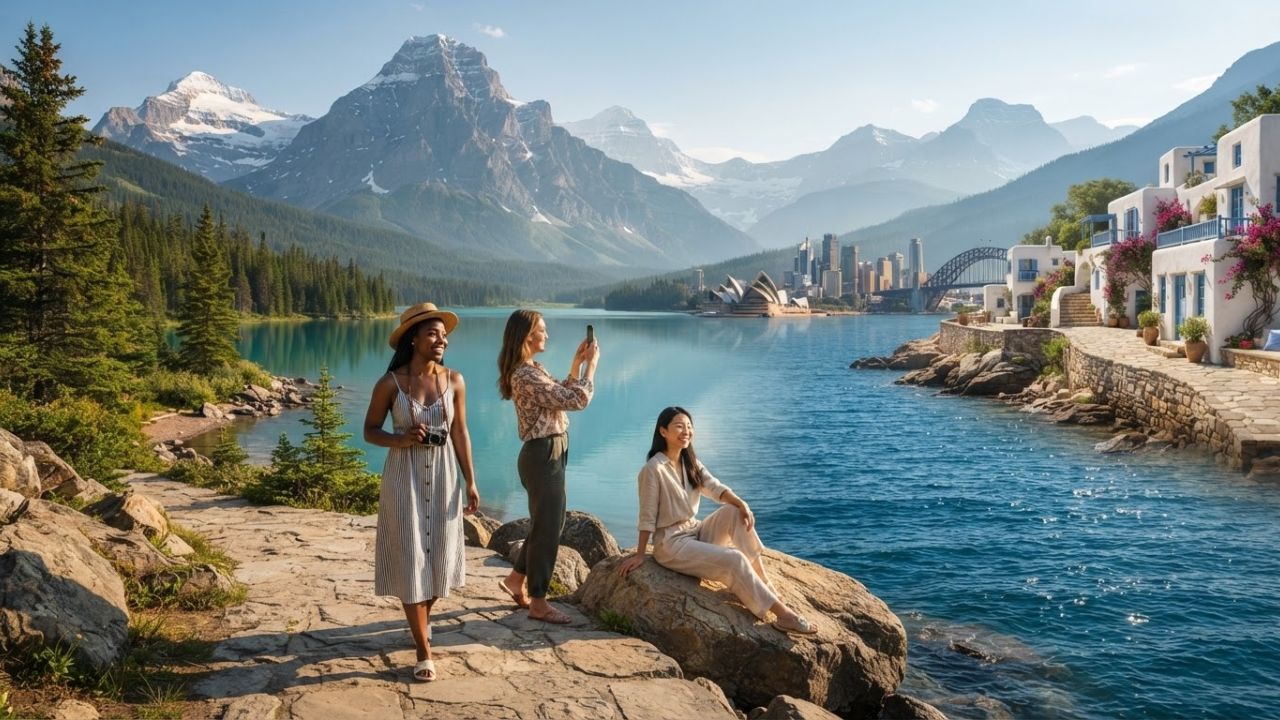
Image generated by AI
Banff has claimed the top position in a global study evaluating the world's most beautiful summer cities for travellers in 2026, scoring 96.0 out of 100. The Canadian Rocky Mountain destination surpassed coastal favorites Mykonos and Sydney in a research project that tracked participant visual attention, measuring how long viewers observed images of each city.
The Local Trend: Visual Sentiment and Nature-First Summer Travel
Summer travel preferences are shifting toward destinations that combine striking scenery with immersive outdoor environments. The latest study demonstrates that contemporary travellers are looking for more than standard urban sightseeing. Natural features like mountain vistas, pristine waterways, and distinct architectural styles are key factors driving global destination appeal.
The study analyzed the visual impact of each location, noting that Banff captured the longest visual engagement, with participants spending an average of 3.2 seconds looking at the mountain town's image. Mykonos generated rapid interest, drawing visual attention within 1.5 seconds. This visual metrics analysis reflects how destinations are now competing on digital aesthetics and immediate visual appeal to attract international visitors.
Mountain Wilderness: Banff Claims the Global Top Spot
Located within Banff National Park in the Canadian Rockies, the town of Banff achieved a score of 96.0 out of 100. This top ranking reflects the strong appeal of the area's alpine environment, wild areas, and turquoise lakes like Lake Louise and Moraine Lake. The destination is managed under strict conservation guidelines by Parks Canada to preserve its wildlife corridors and mountain ecosystems.
During the summer, Banff transition from a ski hub into a wilderness recreation center. Travelers access hiking routes, view glaciers, and paddle on glacial-fed waters. The destination's success shows that high-quality tourism experiences are increasingly tied to nature preservation and controlled visitor impact.
Mediterranean Style and Coastal Energy: Mykonos and Sydney
Mykonos, Greece, secured second place with a score of 87.3 out of 100. The island is known for its classic Cycladic architecture, white buildings, clear blue waters, and upscale hospitality. The Hellenic National Tourism Organisation notes that Mykonos continues to attract international visitors by combining traditional Greek culture with premium beachside entertainment and nightlife.
Sydney, Australia, placed third in the global ranking with a score of 85.6 out of 100. Sydney’s appeal is built on its combination of harbor views, sandy beaches, and urban infrastructure. Destination NSW highlights Sydney's outdoor lifestyle, where travellers can move easily from the central business district to coastal walks and marine reserves, offering a balanced urban-nature experience.
Historic Europe and Global Heritage in the Top Ten
Several European, Asian, and Pacific destinations secured top positions based on their architectural heritage and natural surroundings:
- Bruges, Belgium: Placed fourth with a score of 84.1 out of 100. The medieval city is recognized for its canals, historic stone buildings, and UNESCO World Heritage center.
- Bristol, United Kingdom: Completed the top five with a score of 83.7 out of 100. The city is noted for its harbor area, engineering heritage, and creative neighborhoods.
- Palma de Mallorca, Spain: Ranked sixth with a score of 79.7 out of 100, drawing visitors to its gothic architecture and Mediterranean coves.
- Kyoto, Japan: Achieved seventh place with a score of 78.0 out of 100, celebrated for its gardens, bamboo groves, and traditional wooden temples.
- Auckland, New Zealand: Ranked ninth with a score of 77.6 out of 100, representing the southern hemisphere with its volcanic harbors and sailing culture.
- Los Angeles, California: Completed the top ten with a score of 73.6 out of 100, driven by its coastal strip and entertainment landmarks.
Eco-Tourism: Protecting Summer Habitats and Supporting Local Economies
As global visitor volumes increase during the peak summer months, sustainable practices are essential to prevent overtourism and protect local ecosystems. Official conservation bodies emphasize the need for low-impact travel:
- Protecting Banff's Alpine Habitats: Parks Canada encourages travellers to use the Roam Transit public shuttle system, which reduces private vehicle emissions on the mountain roads leading to Moraine Lake and Lake Louise. Packing out waste and carrying reusable water containers helps keep wildlife corridors safe.
- Water Conservation in Greece: Mykonos faces seasonal water shortages. Travelers can support the island by conserving water in hotels and choosing locally owned restaurants that source produce from Cycladic family farms.
- Preserving Sydney's Marine Environments: Visitors to beaches like Bondi and Shelly Beach are encouraged to avoid single-use plastics and follow local guidelines that protect the intertidal rock pools and native marine life.
Visitor Insider Tips: Off-Peak Windows and Smart Route Planning
To experience these top-ranked summer destinations without the stress of peak crowd conditions, use these local recommendations:
- Banff Shuttle Bookings: Because the road to Moraine Lake is closed to private vehicles, book your Parks Canada shuttles online months in advance. Plan your visits for the early morning before 7:00 AM or after 5:00 PM for the best natural light and fewer crowds.
- Quiet Walks in Mykonos: To see Mykonos town (Chora) without the cruise crowds, explore the narrow paths between 7:30 AM and 9:00 AM. For a quieter island experience, consider visiting during the late September shoulder season.
- Sydney Harbor Ferry Savings: Instead of booking expensive private harbor cruises, take the public F1 Ferry from Circular Quay to Manly. It offers views of the Sydney Opera House and the Harbour Bridge at standard public transit pricing.
- Bruges Canal Exploration: Rent a bicycle to ride along the green ramparts and historic windmills surrounding the old city walls, avoiding the crowded central squares during the peak midday coach tour hours.
- Kyoto Temple Etiquette: Visit popular sites like Fushimi Inari-taisha at dawn. Respect local regulations by not taking photos in the private alleys of the Gion district to support geisha community privacy.
Outlook: The Future of Aesthetic and Sustainable City Tourism
The 2026 ranking shows that summer tourism is no longer dominated by single-purpose beach resorts. The competitiveness of cities now relies on their ability to offer clean natural environments, historic character, and visually engaging spaces.
As destination management organizations invest in public transport, heritage conservation, and zero-waste initiatives, the long-term viability of these cities will depend on balancing tourist arrivals with local quality of life. Cities that successfully protect their natural assets will remain at the top of future attractiveness rankings.
FAQ
What is the highest-ranked summer city in the 2026 study?
Banff, Canada, achieved the top spot with a score of 96.0 out of 100, leading in both visual attention metrics and overall beauty.
Why is Mykonos ranked second in the study?
Mykonos scored 87.3 out of 100 due to its distinctive white Cycladic architecture, coastal views, and immediate visual appeal, which drew viewers' attention in just 1.5 seconds.
How can visitors travel sustainably in Banff?
Visitors should use the Roam Transit bus system to access major trailheads, carry reusable water containers, and book Parks Canada shuttles in advance to reduce private vehicle traffic in the national park.
What is the public transit alternative for a Sydney harbor cruise?
The public F1 Ferry runs regularly between Circular Quay and Manly, providing views of the harbor, Opera House, and Harbour Bridge at a low public transit fare.
Explore the world's most attractive destinations.
Related Travel Guides
Disclaimer
This article is for informational and educational purposes only. It does not constitute legal, financial, or professional advice. While we strive to provide accurate and up-to-date information, travel policies, regulations, and conditions change rapidly. Always verify information with official sources before making travel decisions. Nomad Lawyer makes no representations about the accuracy, reliability, completeness, or suitability of the information provided. Readers should consult qualified professionals for advice specific to their circumstances. The views expressed in this article are those of the author and do not necessarily reflect the views of Nomad Lawyer.
Raushan Kumar
Founder & Lead Developer
Full-stack developer with 11+ years of experience and a passionate traveller. Raushan built Nomad Lawyer from the ground up with a vision to create the best travel and law experience on the web.
Learn more about our team →