
Hidden Cultural Festivals Turn Rural European Towns Into Travel Hotspots
From Viking landing reenactments in Spain to massive flower art in Italy, regional celebrations emerge as major travel drivers in 2026.

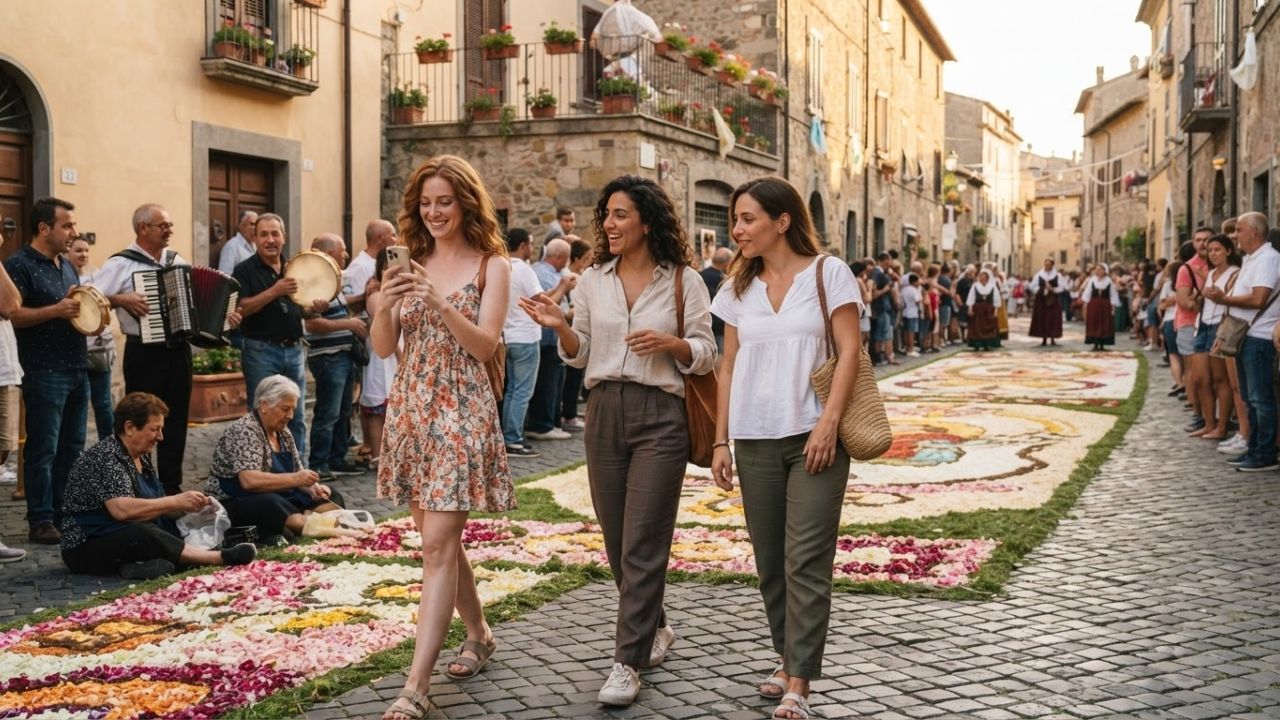
Image generated by AI
With global travelers searching for authentic experiences beyond crowded capitals, centuries-old regional festivals are turning lesser-known European villages into major cultural hotspots.
The European tourism sector is observing a significant realignment, with cultural festival travel emerging as a primary growth driver. Rather than structuring their itineraries around major capital cities, visitors are increasingly traveling to rural regions and small towns to witness authentic heritage, local gastronomy, and community rituals. According to regional tourism statistics, travelers who participate in these regional events tend to stay longer and spend more money directly within local economies, supporting independent artisans, hotels, and agricultural cooperatives.
For the traveler, the real impact of this trend is the opportunity to engage with living heritage. These events are not commercial spectacles produced for tourists; they are active expressions of community identity, historic memory, and local traditions passed down through generations. By participating in these local festivals, visitors can enjoy a deeper connection to the destinations they explore.
Reddit: "Visiting the Catoira Viking festival was the highlight of our trip to Galicia. It felt completely authentic—just locals and a few travelers celebrating their history, eating local food, and having a great time by the river." — r/travel
Seto Kingdom Day, Estonia: A Window Into Seto Living Heritage
Seto Kingdom Day is one of Estonia’s most distinctive regional cultural celebrations, held in Setomaa in southeastern Estonia. The event centers on the mythical King Peko and the annual selection of his earthly representative, known as the ülemsootska. The celebration combines ceremonial traditions with competitions involving singers and craftspeople, traditional food, dancing, and Seto music.
Visitors can experience leelo, the distinctive Seto singing tradition, which has been recognized by UNESCO as living intangible heritage. The singing serves as a form of cultural expression through which history, memories, and emotions are passed between generations. The 2026 Seto Kingdom Day is scheduled for August 1 in Mikitamäe, offering travelers a rare opportunity to see the community actively maintaining its cultural identity.
Viking Pilgrimage, Catoira, Spain: Reenacting Galicia's Medieval Past
The Viking Pilgrimage in Catoira offers travelers a theatrical way to explore Galicia’s medieval history. Held annually on the first Sunday of August, the celebration recreates Viking invasions that affected the area around a thousand years ago. The event takes place around the Torres del Oeste, a ninth-century fortified complex that historically helped defend the region.
Participants dressed as Viking warriors arrive aboard a replica eleventh-century vessel before a simulated landing and battle along the Ulla River. The celebration also includes folk music, a medieval market, traditional Galician food, and communal festivities. The event is recognized as a Festival of International Tourist Interest, combining living local tradition with an important archaeological setting.
Olsokdagene at Stiklestad, Norway: Reliving the Story of 1030
Norway’s Olsokdagene at Stiklestad offers a direct connection with the country’s Viking-era history. Its central production, Spelet om Heilag Olav, dramatizes the events surrounding the Battle of Stiklestad in 1030 and the death of Olav Haraldsson.
According to regional tourism authorities, this open-air theatrical production has been bringing together professional performers, amateurs, and community volunteers for more than seven decades. The festival is held around the end of July and uses the historical setting of Stiklestad as part of the performance. Travelers can combine theater with historical exploration, learning about the transition between Viking-era society and Norway’s Christian period.
Infiorata di Genzano, Italy: A Floral Art Tradition
Genzano’s Infiorata is one of Italy’s most remarkable examples of community-based artistic tradition. The flower-carpet celebration is renewed every year for Corpus Christi and has taken place since 1778.
The central street of Via Italo Belardi is transformed into a roughly 2,000-square-metre floral carpet, divided into 14 sections and created with more than 400,000 carnations of different colors. The preparation extends throughout much of the year, with designs developed in winter, flower requirements assessed in spring, and petals separated and stored before the final installation. The tradition has been recognized by Italy’s Ministry of Tourism as Heritage of Italy.
Caretos of Podence, Portugal: Masks and Seasonal Rituals
In northeastern Portugal, the Caretos of Podence provide an unusual Carnival experience. During the traditional Carnival period, masked young men wear brightly colored costumes decorated with fringes and bells, running through the village and participating in dances and humorous rituals.
The tradition is connected with seasonal change, fertility, and the symbolic release of energy after winter. UNESCO recognized the Carnival of Podence as Intangible Cultural Heritage because of its continuity and strong community participation, with children participating as younger Caretos to preserve the tradition for future generations.
Kaustinen Folk Music Festival, Finland: A 250-Year Fiddle Tradition
Kaustinen in Finland provides an exceptional destination for travelers interested in living musical heritage. The region’s distinctive fiddle tradition has existed for more than 250 years, with several hundred tunes associated with the area.
UNESCO added Kaustinen fiddle playing and related practices to its Representative List of the Intangible Cultural Heritage of Humanity in 2021. The annual folk music festival provides a public setting where this tradition continues through performances, informal sessions, and community workshops, strengthening the local cultural identity.
Moors and Christians Festival, Villajoyosa, Spain: A Recreated Pirate Battle
The Moors and Christians Festival in Villajoyosa on Spain’s Mediterranean coast transforms the town into a large-scale historical re-enactment. The celebration commemorates an attack by Barbary pirates in 1538 and has been held for more than 250 years in honor of Santa Marta.
The festival recreates the confrontation through elaborate processions, historic costumes, and a dramatic representation of the beach landing, known as El Desembarco, featuring replica ships, gunpowder, and thousands of participants. The 2026 celebration runs from July 24 to July 31 and is recognized as a Festival of International Tourist Interest.
Local Insider Secrets: Navigating Hidden European Festivals
To help you explore these regional celebrations safely and comfortably, local travel specialists recommend the following tips:
- Seto Kingdom Entry and Visas: When visiting Seto Kingdom Day in Mikitamäe, be prepared to pay a small fee or purchase a symbolic entry "visa" if you are not wearing traditional Seto attire. Exchange your money for the local festival currency to purchase traditional sõir cheese and home-brewed beer.
- Viking Attire and Wine Wars: If attending the Catoira Viking festival, wear old clothing that you don't mind getting stained, as throwing local red wine is a central part of the celebration. Wear Viking-themed attire to feel like part of the community.
- Dine on Galician Seafood: Support the local economy in Catoira by dining at regional food stalls. Try traditional pulpo a la gallega (Galician-style octopus) or fresh empanadas paired with local Ulla wines.
- Watch the Spallamento in Genzano: If visiting the Infiorata di Genzano, stay until the end of the festival to witness the Spallamento, where local children run down the flower-carpeted street to dismantle the floral artwork.
- Book Accommodations Early: Because these festivals are held in small towns with limited lodging, book your family-run guesthouse or local homestay at least four to five months in advance.
Frequently Asked Questions
What is the Seto Kingdom representative called? The regent representative of the mythical King Peko is known as the ülemsootska, elected annually by the community.
When is the Moors and Christians Festival in Villajoyosa held? The festival is held annually in late July, with the 2026 celebration scheduled from July 24 to July 31.
What is the significance of the Caretos of Podence? The masked Carnival tradition is connected with seasonal change and fertility, marking the symbolic end of winter.
Do I need a ticket to view the Genzano Infiorata? The flower carpet viewing along Via Italo Belardi is open to the public, though early arrival is recommended to avoid peak crowd hours.
Explore the rich traditions and local celebrations of Europe on your next travel adventure.
Related Travel Guides
The Ultimate Guide to US Scenic Highway Road Trips
Disclaimer
This article is for informational and educational purposes only. It does not constitute legal, financial, or professional advice. While we strive to provide accurate and up-to-date information, travel policies, regulations, and conditions change rapidly. Always verify information with official sources before making travel decisions. Nomad Lawyer makes no representations about the accuracy, reliability, completeness, or suitability of the information provided. Readers should consult qualified professionals for advice specific to their circumstances. The views expressed in this article are those of the author and do not necessarily reflect the views of Nomad Lawyer.
Preeti Gunjan
Contributor & Community Manager
A passionate traveller and community builder. Preeti helps grow the Nomad Lawyer community, fostering engagement and bringing the reader experience to life.
Learn more about our team →