
EASA Refines Gulf Airspace Warnings as Dubai Prepares for September 2026 Travel Surge
European aviation regulators have narrowed conflict-zone warnings in the Gulf, shifting focus to maritime corridors as Dubai anticipates a massive influx of long-haul traffic between Europe and Asia.

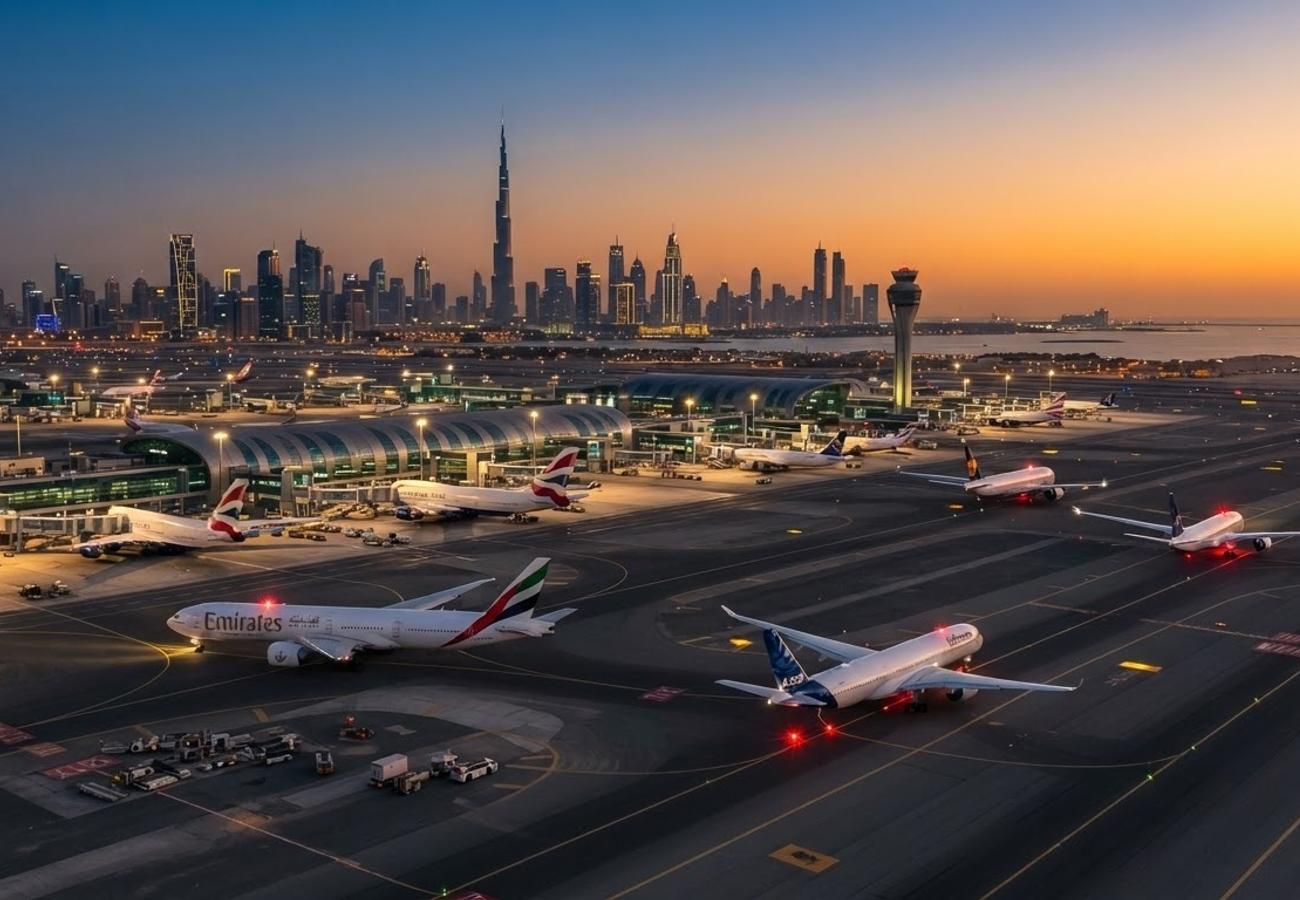
Image generated by AI
European regulators have shifted from broad regional avoidance to targeted risk management in the Gulf, just as Dubai enters its peak business and long-haul season.
The European Union Aviation Safety Agency (EASA) has updated its conflict-zone advisory, extending the warning period to September 30, 2026. While the duration remains, the geographic scope of the warning has been narrowed, moving away from general land-based avoidance toward specific high-risk maritime zones.
Targeted Risk Management in Gulf Corridors
The revised EASA bulletin now specifically highlights airspace over the waters of the Persian and Arabian Gulf. This focus includes flight information regions (FIRs) managed by Bahrain, Kuwait, Qatar, and the UAE, alongside specific sectors of the Gulf of Oman under Muscat’s jurisdiction.
Previously, guidance suggested avoiding the entire airspace of several Gulf states at all altitudes. The new approach distinguishes between land territory—where overflight is no longer explicitly discouraged—and maritime corridors that have recently seen drone and missile activity.
However, strict prohibitions remain in place. EASA continues to advise airlines to avoid the airspace of Iran, Iraq, and Lebanon entirely through at least the end of September.
Dubai International Braces for Traffic Spike
This regulatory shift coincides with a traditional seasonal uptick in Dubai. September typically marks the end of the summer lull and the beginning of a high-volume period for corporate travel, international events, and long-haul transit.
Dubai International Airport is currently preparing for some of its highest passenger volumes since the regional crisis began earlier this year. This surge is most evident on trunk routes connecting European capitals with South and Southeast Asian hubs.
The recovery of these routes follows a period of severe contraction. Data from Eurocontrol indicated that at the peak of the disruptions in 2026, traffic between Europe and the Middle East dropped by more than 50%, affecting both destination flights and transit overflights.
Operational Challenges for Carriers
While the narrowed warnings provide more flexibility, the operational reality for airlines remains complex. Carriers must balance the return of demand on Europe-Dubai and Europe-Doha routes against the technical constraints of current flight paths.
- Increased Fuel Burn: Detours around "no-go zones" in Iran and Iraq result in longer flight times and higher fuel consumption.
- Tighter Scheduling: Restricted corridors create bottlenecks, narrowing the windows for on-time arrivals and departures.
- Routing Shifts: Airspace over Jordan has been removed from the most severe warnings, though caution is still urged.
Many European carriers are utilizing code-share partners and Gulf-based airlines to maintain connectivity to Australasia and East Africa, rather than operating their own direct flights into high-risk zones.
Passenger Impact and Travel Uncertainty
For the traveler, these regulatory updates do not signify a return to pre-crisis stability. The current aviation environment in the Gulf is characterized by a "patchwork" of operational statuses.
Passengers can expect continued volatility, including:
- Last-Minute Changes: Reroutings and timing adjustments are common as airlines react to real-time safety data.
- Extended Journey Times: Transit flights to Asia may face longer durations or forced overnight stops due to congestion in permitted corridors.
- Flexible Policies: Many airlines are maintaining flexible rebooking options to account for sudden airspace closures.
Travelers are advised to monitor flight statuses within 24 hours of departure, as the EASA bulletin remains active until September 30.
Gulf Airspace Risk Summary (September 2026)
| Region/Country | Status | EASA Guidance |
|---|---|---|
| Iran, Iraq, Lebanon | High Risk | Avoid airspace entirely |
| Arabian/Persian Gulf Waters | High Risk | Avoid specific maritime corridors |
| UAE, Qatar, Bahrain, Kuwait (Land) | Moderate Risk | Caution advised; overflight permitted |
| Jordan | Moderate Risk | Caution advised; removed from strongest warnings |
| Gulf of Oman (Muscat FIR) | High Risk | Avoid specific maritime sectors |
Key Takeaways
- Narrower Focus: EASA has shifted warnings from broad land-based avoidance to specific maritime risk zones in the Gulf.
- Deadline: Current conflict-zone guidance is valid until September 30, 2026.
- Dubai Surge: Dubai International is expecting a significant increase in Europe-Asia traffic despite regional tensions.
- Operational Costs: Longer routings to avoid Iran and Iraq are driving up fuel costs and impacting on-time performance.
- Passenger Warning: Travelers should expect potential delays and reroutings through the end of the month.
FAQ
Are flights to Dubai still operating? Yes, EASA guidance allows arrivals and departures to major hubs like Dubai and Abu Dhabi, provided airlines implement continuous risk monitoring and mitigation.
Why are flights taking longer to reach the Gulf? Airlines are avoiding the airspace of Iran and Iraq, necessitating detours that increase total flight distance and time.
When will the current airspace warnings expire? The current EASA conflict-zone advisory is set to remain in effect until September 30, 2026.
Navigating the intersection of geopolitical volatility and global transit requires constant vigilance for the modern traveler.
Related Travel Guides
Disclaimer
This article is for informational and educational purposes only. It does not constitute legal, financial, or professional advice. While we strive to provide accurate and up-to-date information, travel policies, regulations, and conditions change rapidly. Always verify information with official sources before making travel decisions. Nomad Lawyer makes no representations about the accuracy, reliability, completeness, or suitability of the information provided. Readers should consult qualified professionals for advice specific to their circumstances. The views expressed in this article are those of the author and do not necessarily reflect the views of Nomad Lawyer.
Kunal K Choudhary
Co-Founder & Contributor
A passionate traveller and tech enthusiast. Kunal contributes to the vision and growth of Nomad Lawyer, bringing fresh perspectives and driving the community forward.
Learn more about our team →