
ETIAS Delay: EU Travel Authorization System Update for UK, US, Canada
The EU's ETIAS travel authorization system is delayed due to EES border integration. Find the current status for UK, US, and Canadian visa-exempt travelers.

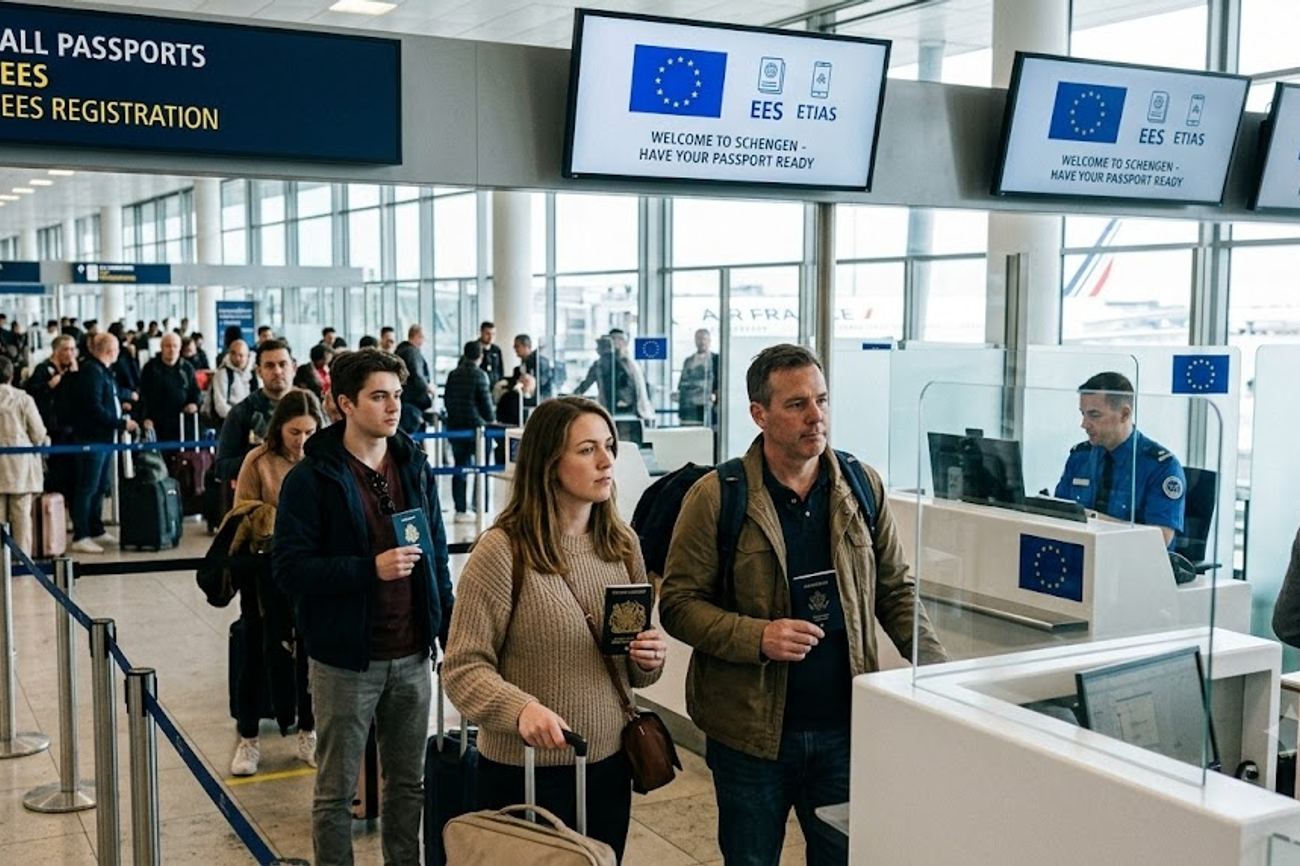
Image generated by AI
The European Union has failed to activate its planned digital travel approval process for visa-exempt visitors, leading to a significant delay in the rollout of ETIAS. This system is designed to introduce mandatory pre-travel security checks for citizens of countries that currently enter the Schengen Area without a visa.
The delay is directly linked to the EU's broader digital border infrastructure, specifically the Entry/Exit System (EES). The EES, which automates the recording of entry and exit data for non-EU nationals, must be fully operational before ETIAS can be implemented.
Industry data indicates that the removal of specific launch dates from official ETIAS web pages has fueled speculation regarding the timeline. The EU has explicitly confirmed that the system is not currently operational and is not yet accepting applications.
Key Facts Breakdown
- System Purpose: Advance security screening for visa-exempt visitors to the Schengen Area.
- Dependency: ETIAS cannot launch until the Entry/Exit System (EES) is functional.
- Current Status: Non-operational; no applications are being accepted.
- Scope: Affects millions of travelers from the UK, US, Canada, Australia, Japan, South Korea, Singapore, and Malaysia.
- Legal Status: ETIAS is an authorization, not a visa, and will not replace existing Schengen visa requirements.
Data Tables
ETIAS System Overview
| ETIAS Feature | Details |
|---|---|
| Full Name | European Travel Information and Authorisation System |
| Region | European Union / Schengen Area |
| Target Travellers | Visa-exempt visitors |
| Application | Online process |
| Current Status | Not operational |
| Purpose | Advance security checks before travel |
Primary Affected Markets
| Country / Region | Strategic Importance |
|---|---|
| United Kingdom | Largest Europe travel market post-Brexit |
| United States | Major tourism and business source market |
| Canada | High European holiday demand |
| Australia | Key long-haul tourism market |
| Japan | Primary Asian visitor market |
| South Korea | Increasing European travel demand |
| Singapore | Visa-exempt outbound market |
| Malaysia | Expanding Europe travel segment |
Why This Matters
From a logistical perspective, this delay is a critical reprieve for the aviation and tourism sectors. Our analysis suggests that the simultaneous rollout of EES and ETIAS would have created unprecedented bottlenecks at major European hubs.
For travelers on these routes, the real impact is the avoidance of immediate administrative friction. However, the "grey area" created by the delay has allowed unofficial websites to proliferate, falsely claiming to offer ETIAS applications.
For the UK market specifically, this is a high-stakes transition. Since Brexit, British citizens have relied on visa-free short-stay rules; the eventual shift to a mandatory digital authorization represents a permanent change in how UK holidaymakers and cruise passengers access the continent.
Industry Outlook
Market trends suggest that the EU will not risk a fragmented launch. Expect the EES to be stabilized at primary airports and ports of entry before any ETIAS "soft launch" is announced.
Airlines and tour operators should utilize this window to update their booking APIs and passenger notification systems. Travelers should ignore any third-party prompts for ETIAS payments until a formal announcement is made via official EU channels.
Internal Link Suggestions:
- Guide to Schengen Area Entry Requirements
- Impact of EES on Non-EU Border Processing
- Post-Brexit Travel Regulations for UK Citizens
Related Travel Guides
Disclaimer
This article is for informational and educational purposes only. It does not constitute legal, financial, or professional advice. While we strive to provide accurate and up-to-date information, travel policies, regulations, and conditions change rapidly. Always verify information with official sources before making travel decisions. Nomad Lawyer makes no representations about the accuracy, reliability, completeness, or suitability of the information provided. Readers should consult qualified professionals for advice specific to their circumstances. The views expressed in this article are those of the author and do not necessarily reflect the views of Nomad Lawyer.
Preeti Gunjan
Contributor & Community Manager
A passionate traveller and community builder. Preeti helps grow the Nomad Lawyer community, fostering engagement and bringing the reader experience to life.
Learn more about our team →