
Guatemala Restructures Mirador–Río Azul Access via Great Maya Forest Framework
Guatemala implements a new trilateral conservation framework for Mirador–Río Azul National Park, restricting access to authorized community-led expeditions for

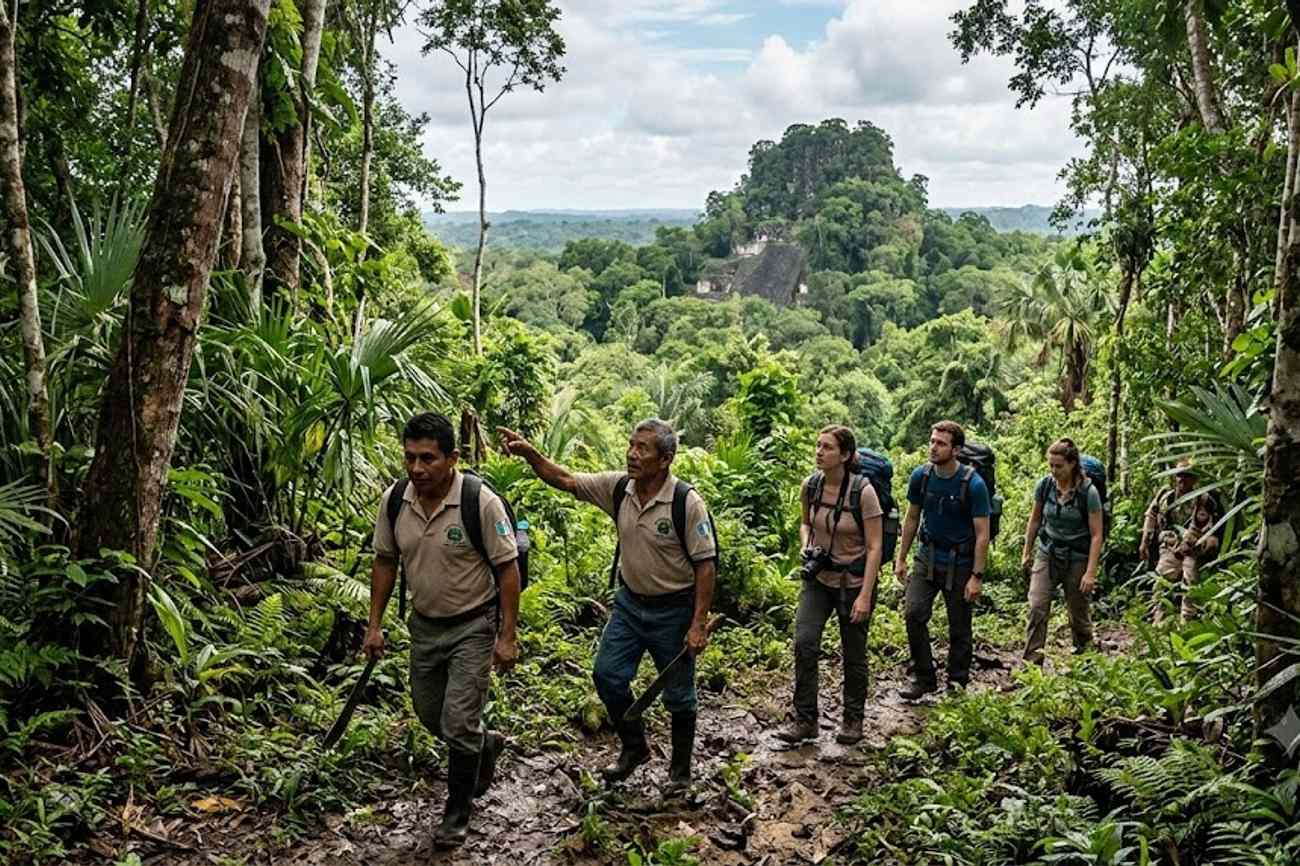
Image generated by AI
Guatemala has integrated Mirador–Río Azul National Park into a trilateral conservation corridor, reinforcing a low-volume, high-value expedition model for the 2026–27 season.
The Core Development
Guatemala is shifting the management of Mirador–Río Azul National Park from a simple archaeological destination to a core component of the Great Maya Forest Biocultural Corridor. As of August 2026, this framework establishes a coordinated governance system between Guatemala, Mexico, and Belize to balance tourism with aggressive conservation and wildfire prevention.
This is not an opening of the park to mass tourism. Instead, it is an institutionalization of restricted access. The framework prioritizes "community tourism," ensuring that socioeconomic benefits remain with local populations while maintaining strict surveillance over the protected landscape.
Key Facts Breakdown
- Trilateral Scope: The corridor includes 50 protected areas: 27 in Guatemala, 12 in Mexico, and 11 in Belize.
- Governance: A new five-year memorandum (effective August 2026) coordinates investment, monitoring, and illegal activity control.
- Access Mandate: Entry is strictly prohibited without authorized tourism commissions from Carmelita, Uaxactún, or other CONAP-approved providers.
- Logistical Gateways: Flores and Melchor de Mencos serve as the primary strategic entry points.
- Operational Window: The preferred visiting period is the dry season, running from November to April.
Data Table: Mirador–Río Azul Expedition Logistics
| Tourism Indicator | Officially Verified Position | Significance for Operators |
|---|---|---|
| Protected Area | Mirador–Río Azul National Park | Conservation-led landscape, not urban attraction |
| Park Area | 116,911 hectares | High logistical complexity due to scale |
| Protected Status | Declared in 1990 | Strict conservation rules in effect |
| Municipal Coverage | San Andrés, San José, Flores, Melchor de Mencos | Logistics span multiple gateways |
| Journey from Flores | 1 to 2 days (route dependent) | Not viable for day-trips |
| Access Structure | Three principal route corridors | Requires route-specific planning |
| Guide Requirement | Authorized accompaniment mandatory | Independent entry is prohibited |
| Visiting Hours | 07:00 to 17:00 daily | Movements must align with park hours |
| Peak Period | November to April | 2026–27 contracting is now active |
Why This Matters
From a logistical perspective, this development signals the end of "casual" exploration in northern Petén. Our analysis of the route map indicates that the reliance on three specific corridors—starting from Flores and Melchor de Mencos—creates a bottleneck that favors high-end, specialist expedition operators over general tour agencies.
For travelers, the real impact is the transition of the destination into a "biocultural" product. The value is no longer just the Maya ruins, but the expedition itself: mule support, local food provision, and nature interpretation. This shift protects the site from degradation while increasing the per-visitor spend, moving the region toward a sustainable, low-impact economic model.
Industry Outlook
Expect a tightening of permit requirements for the 2026–27 dry season. Operators should move away from marketing "sightseeing" and instead pivot toward "expedition logistics." We anticipate increased integration of multi-stage itineraries that link the Dos Lagunas Biotope with Río Azul, as the trilateral framework encourages broader landscape monitoring.
Internal Link Suggestions:
- Guide to Sustainable Tourism in Central America
- Comparing Maya Archaeological Sites: Tikal vs. El Mirador
- Logistics of Remote Expedition Planning in Guatemala
Related Travel Guides
Disclaimer
This article is for informational and educational purposes only. It does not constitute legal, financial, or professional advice. While we strive to provide accurate and up-to-date information, travel policies, regulations, and conditions change rapidly. Always verify information with official sources before making travel decisions. Nomad Lawyer makes no representations about the accuracy, reliability, completeness, or suitability of the information provided. Readers should consult qualified professionals for advice specific to their circumstances. The views expressed in this article are those of the author and do not necessarily reflect the views of Nomad Lawyer.
Raushan Kumar
Founder & Lead Developer
Full-stack developer with 11+ years of experience and a passionate traveller. Raushan built Nomad Lawyer from the ground up with a vision to create the best travel and law experience on the web.
Learn more about our team →