
Brazil Unveils Seven Specialized Coffee Tourism Routes
Explore Brazil's new coffee tourism routes. From Cerrado Mineiro to Rio, discover specialty farms, rural heritage, and sustainable coffee production.

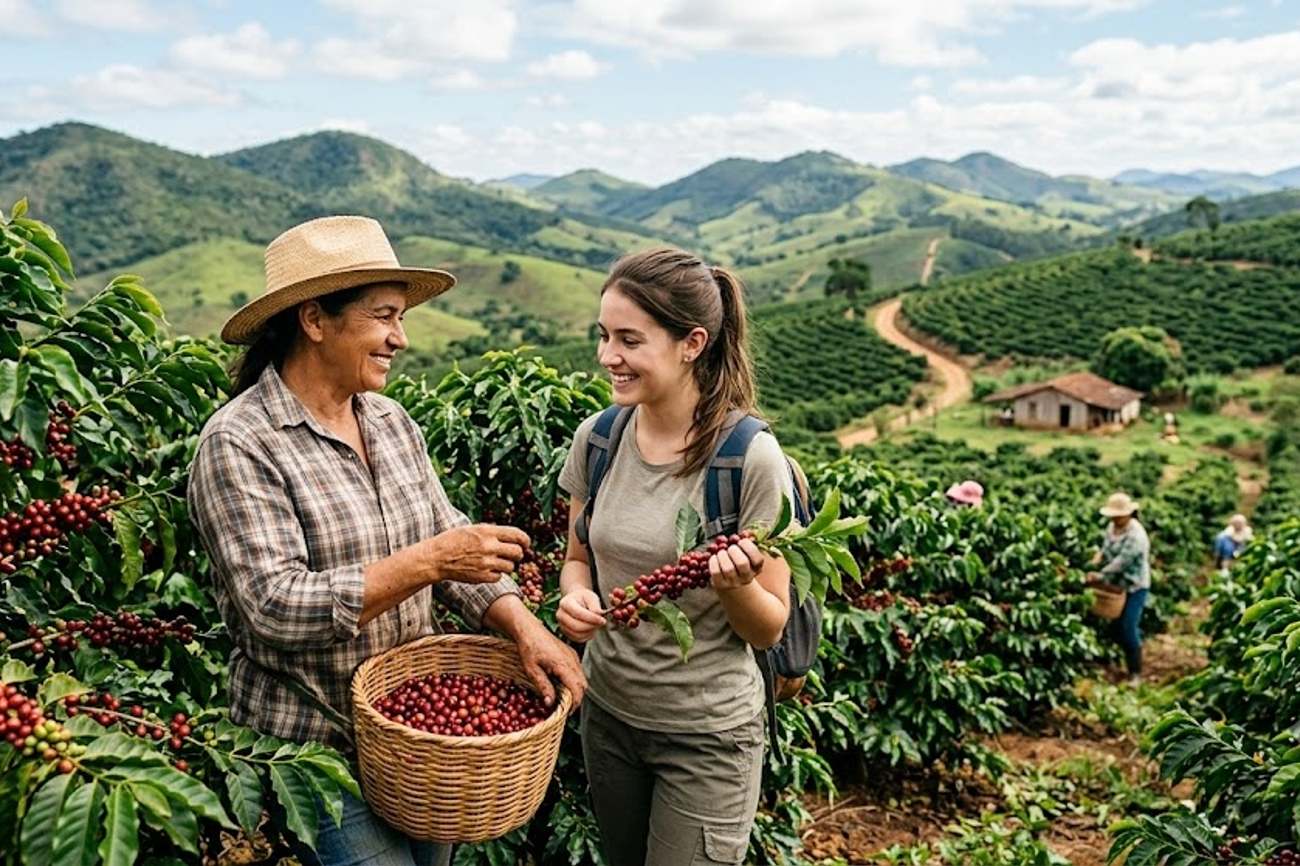
Image generated by AI
The Local Trend Revealed
Brazil is pivoting its tourism strategy toward "slow travel" by transforming its agricultural backbone into a curated visitor experience. Through the official Visit Brasil platform, the country has formalized seven distinct coffee routes. This move signals a shift away from traditional sightseeing, offering international travelers a direct line to the producers and the geography that defines Brazilian coffee.
Rather than visiting a single cafe, travelers now follow mapped itineraries that link family-owned farms, historic estates, and specialty processing plants. These routes allow visitors to analyze how specific variables—such as the high altitudes of South Minas or the unique soil of the Cerrado—directly alter the flavor profile of the final brew.
Cultural & Environmental Value
For the visitor, the real impact is the transition from consumer to observer. These routes emphasize the "bean-to-cup" journey, highlighting the generational knowledge passed down through farming families. By integrating rural accommodation and regional gastronomy, the initiative decentralizes tourism, moving wealth away from overcrowded coastal hubs and directly into the hands of rural communities.
From an environmental perspective, these routes highlight the intersection of agriculture and nature. In regions like the Mantiqueira mountains, coffee production is integrated with hiking and mountain conservation, showcasing how specialty coffee can coexist with biodiversity. This model promotes sustainable land use and encourages visitors to support eco-conscious farming methods.
The Seven Routes: Regional Identities
Each route offers a distinct atmospheric and sensory experience:
- Cerrado Mineiro (Minas Gerais): A hub for modern production and specialty coffee, ideal for those seeking educational tours within a vast countryside setting.
- South Minas Gerais: Defined by high altitudes and traditional methods, focusing on the relationship between climate and premium flavor.
- Mantiqueira Region: A blend of spectacular mountain scenery and specialty farms, perfect for combining coffee tours with hiking.
- Paraná: A historical deep-dive into how coffee drove regional development and shaped the local community.
- São Paulo: A mix of urban history and rural estates, featuring museums that detail coffee's role in Brazil's economic rise.
- Espírito Santo: An exploration of the state's unique agricultural identity and authentic rural environments.
- Rio de Janeiro: A journey through heritage properties and historic coffee landscapes that exist beyond the city's famous beaches.
Visitor Insider Tips
- The Golden Window: Plan your visits during the harvest season (typically May to August depending on the region) to see the picking and processing in real-time.
- Cultural Etiquette: When visiting family-run fazendas (farms), remember that these are working businesses. Always book in advance and be prepared for informal, hospitable interactions—accepting a homemade snack is a key part of the rural experience.
- Dining Specialty: Seek out Pão de Queijo (cheese bread) in Minas Gerais; it is the quintessential pairing for a strong Brazilian roast.
- Transport: While some routes are accessible via tour, renting a 4x4 is highly recommended for the Mantiqueira and South Minas regions to reach the most authentic, off-the-beaten-path plantations.
Tourism Outlook
The formalization of these routes positions Brazil not just as a commodity exporter, but as a cultural destination. By leveraging the E-E-A-T (Experience, Expertise, Authoritativeness, and Trustworthiness) of local producers and the Visit Brasil official guidelines, the country is building a sustainable tourism ecosystem. Long-term, this is expected to increase the viability of small-scale specialty farms by creating a direct-to-consumer revenue stream through tourism.
Explore more on nomadlawyer.org:
- [Sustainable Travel Guides for South America]
- [Digital Nomad Hubs in Brazil]
- [Eco-Tourism Trends 2026]
Related Travel Guides
Disclaimer
This article is for informational and educational purposes only. It does not constitute legal, financial, or professional advice. While we strive to provide accurate and up-to-date information, travel policies, regulations, and conditions change rapidly. Always verify information with official sources before making travel decisions. Nomad Lawyer makes no representations about the accuracy, reliability, completeness, or suitability of the information provided. Readers should consult qualified professionals for advice specific to their circumstances. The views expressed in this article are those of the author and do not necessarily reflect the views of Nomad Lawyer.
Kunal K Choudhary
Co-Founder & Contributor
A passionate traveller and tech enthusiast. Kunal contributes to the vision and growth of Nomad Lawyer, bringing fresh perspectives and driving the community forward.
Learn more about our team →