
Disney Springs Permanently Closes Wolfgang Puck Bar & Grill Ending 30-Year Culinary Era in 2026
The closure of the 250-seat Wolfgang Puck Bar & Grill at Disney Springs on September 13, 2026, marks the end of a three-decade partnership and signals a shift in tourist dining preferences.

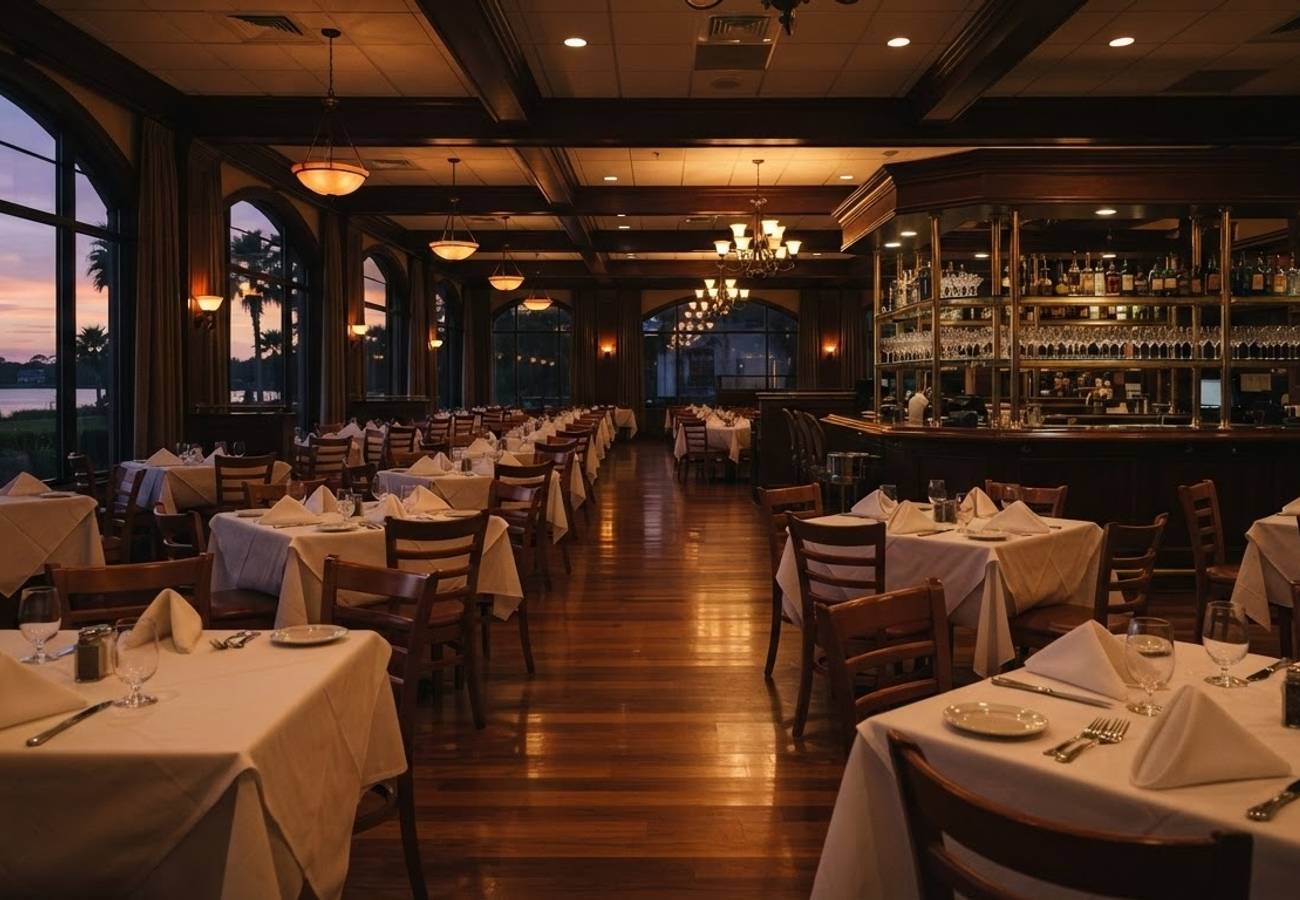
Image generated by AI
A cornerstone of the Lake Buena Vista dining scene is vanishing as the 250-seat Wolfgang Puck Bar & Grill officially closes its doors on September 13, 2026. This termination of a 30-year culinary partnership marks a pivotal shift in how theme park guests consume luxury dining in a post-pandemic economy.
The departure of this high-profile establishment from Disney Springs represents more than just a lease expiration; it is a symptom of a broader evolution in culinary tourism. As visitors pivot away from global celebrity branding in favor of hyper-local and culturally specific narratives, the traditional "celebrity chef" model is facing an identity crisis. The closure forces a reckoning for both the resort's management and the dining industry regarding what actually attracts the modern traveler.
The Three-Decade Evolution of Dining in Lake Buena Vista
To understand why the September 2026 closure is so impactful, one must examine the history of the district now known as Disney Springs. The area began its life in 1975 as the Lake Buena Vista Shopping Village. Over the following half-century, it transitioned through several identities—most notably as Downtown Disney—before evolving into the current commercial hub that houses nearly 70 dining venues and 95 retail stores.
When Wolfgang Puck entered the resort in 1997, the landscape of theme park food was rudimentary, dominated by quick-service burgers and mass-produced pizza. Puck disrupted this norm by introducing "New California" cuisine. By blending Mediterranean influences with wood-fired artisanal pizzas and upscale comfort food, he provided millions of annual tourists with a fine-dining experience that had previously been reserved for major urban centers.
For two decades, the Wolfgang Puck Grand Cafe served as a primary anchor for the complex, complemented by the Wolfgang Puck Express for guests seeking high-end, fast-casual options. However, the instability caused by the COVID-19 pandemic led to the permanent closure of the Express location. This forced a strategic consolidation, resulting in the 2018 launch of the 250-seat Wolfgang Puck Bar & Grill. With the upcoming September 13 deadline, Disney Springs will, for the first time in nearly 30 years, operate without a Puck-branded venue.
The Decline of Legacy Celebrity Branding
Industry observers often attribute restaurant closures in high-traffic zones to simple lease disputes or natural tenant turnover. However, a deeper analysis suggests a psychological shift in the palate of the modern traveler.
For years, "star power" was the primary driver of reservations. A famous name like Wolfgang Puck, Emeril Lagasse, or Mario Batali acted as a quality guarantee for tourists navigating unfamiliar destinations. The brand name was the product.
In 2026, that dynamic has inverted. Today’s culinary tourists prioritize authenticity and storytelling over generic celebrity labels. There is a growing preference for chefs whose menus are rooted in personal heritage and cultural specificity rather than global conglomerates that franchise their identity across international airports and resorts.
While Puck’s original Spago in Beverly Hills remains a benchmark for fine dining, his casual dining extensions have struggled against independent competitors. The novelty of "modern American grills" has worn off as artisanal markets and farm-to-table concepts become standard in home cities across the globe.
Analyzing the Competitive Landscape of Disney Springs
Disney Springs operates as a high-stakes gastronomic arena where concepts must provide constant innovation to justify expensive square-footage costs. The success of other celebrity chefs in the complex highlights exactly where the Wolfgang Puck model fell short.
| Restaurant Name | Celebrity / Chef Principal | Primary Culinary Focus | Estimated Opening Era | Strategic Positioning |
|---|---|---|---|---|
| Wolfgang Puck Bar & Grill | Wolfgang Puck | New California / Modern American | 2018 (Legacy since 1997) | Traditional upscale casual, wood-fired pizzas, classic comfort. |
| Jaleo | José Andrés | Authentic Spanish Tapas & Paella | 2019 | Cultural immersion, social dining, strong global brand association. |
| Chef Art Smith’s Homecomin’ | Art Smith | Southern Comfort / Florida Ag | 2016 | Hyper-local provenance, nostalgic storytelling, regional identity. |
| Morimoto Asia | Masaharu Morimoto | Pan-Asian / Sushi / Teppanyaki | 2015 | Architectural theatre, theatrical execution, global fusion. |
| eet by Maneet Chauhan | Maneet Chauhan | Modern Indian Street Food | 2023 | Fast-casual innovation, bold spices, demographic expansion. |
The data indicates that thriving venues—such as those led by Art Smith and Maneet Chauhan—rely on hyper-specific narratives. Art Smith leverages his Florida roots to create an emotional bond with guests through local sourcing. José Andrés uses Jaleo to offer an uncompromised commitment to Spanish gastronomy.
In contrast, the Wolfgang Puck brand occupied a precarious middle ground. While staples like the Puck Burger and Viennese Chicken Schnitzel provided comfort, they lacked the distinct cultural hook or "Instagrammable" architectural theatre that now defines success in the theme park sector.
Economic Pressures and Lease Ruptures
The abrupt nature of the September 2026 announcement, delivered without corporate explanation, suggests a significant rupture in negotiations. In the high-traffic nodes managed by Disney, lease renewals are complex calculations involving foot traffic projections, profit-sharing, and the cost of essential kitchen renovations.
Maintaining a 250-seat establishment requires massive daily volume to offset rising labor costs, supply chain inflation, and escalating commercial rents. Recent travel analytics show a polarization in visitor spending. Travelers are now splitting their budgets into two extremes: ultra-exclusive, ticketed experiences (such as Victoria & Albert’s) or high-efficiency, low-cost fast-casual options.
The mid-tier celebrity sit-down restaurant now sits in a "perilous valley" between these two trends. When margins shrink, operators must decide if a legacy brand is more valuable than pivoting the space toward experiential retail or high-yield concepts that appeal to Gen Z and Millennial demographics.
Why This Matters: The Shift in Traveler Experience
For the traveler, this closure signals that the era of "safe" celebrity dining is ending. The value proposition has shifted from who is cooking the food to why the food is being served. This means guests can expect more niche, culturally immersive dining options to replace legacy brands in major tourism hubs.
From a logistical standpoint, the disappearance of a 250-seat anchor suggests that Disney is likely preparing the real estate for a more "experiential" use—potentially moving away from traditional dining toward interactive entertainment or retail-integrated food concepts. For those visiting Lake Buena Vista in late 2026, the loss of the Puck brand removes a familiar safety net, pushing visitors toward the more adventurous, narrative-driven options currently dominating the market.
The end of the Puck era marks the beginning of a more authentic, less branded chapter for Florida's culinary landscape.
Related Travel Guides
Disclaimer
This article is for informational and educational purposes only. It does not constitute legal, financial, or professional advice. While we strive to provide accurate and up-to-date information, travel policies, regulations, and conditions change rapidly. Always verify information with official sources before making travel decisions. Nomad Lawyer makes no representations about the accuracy, reliability, completeness, or suitability of the information provided. Readers should consult qualified professionals for advice specific to their circumstances. The views expressed in this article are those of the author and do not necessarily reflect the views of Nomad Lawyer.
Preeti Gunjan
Contributor & Community Manager
A passionate traveller and community builder. Preeti helps grow the Nomad Lawyer community, fostering engagement and bringing the reader experience to life.
Learn more about our team →