
Portugal Luxury Hotel Renaissance 2026: Major Renovations in Lisbon and Porto for Fall Tourism
Portugal is pivoting toward luxury off-peak tourism with massive adaptive reuse projects, transforming 17th-century palaces and mid-century hotels into five-star escapes across Lisbon, Porto, and coastal retreats for the 2026 fall season.

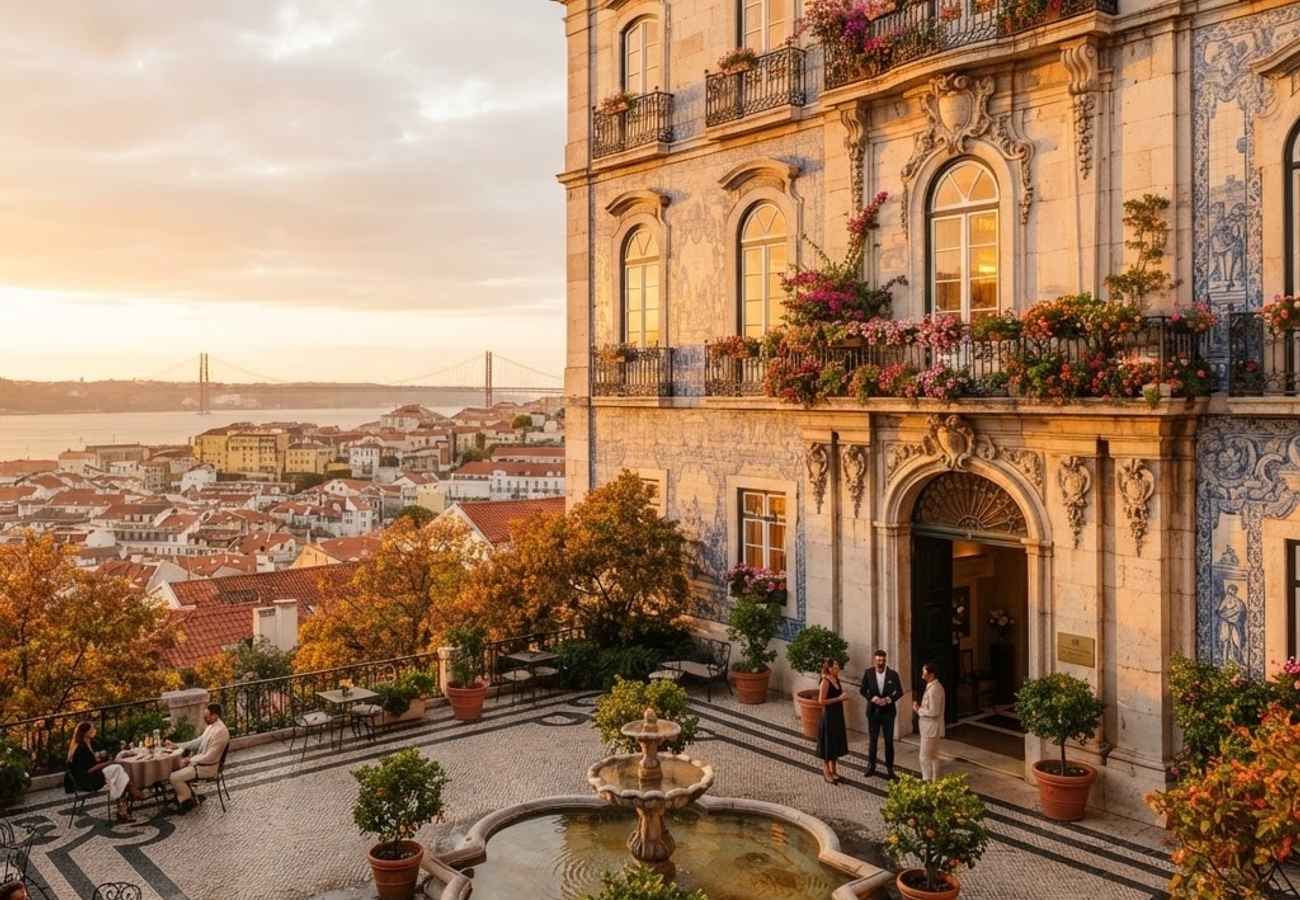
Image generated by AI
Portugal is aggressively pivoting its hospitality strategy toward luxury off-peak tourism, investing millions into the adaptive reuse of historic palaces and mid-century landmarks. This shift targets elite travelers fleeing summer heat for the temperate climate of the 2026 fall season.
The Portuguese hospitality sector is undergoing a systemic transformation. Rather than pursuing traditional new-build expansions, developers in Lisbon, Porto, and coastal regions like Comporta are focusing on "adaptive reuse"—the process of converting abandoned hospitals, 17th-century palaces, and classic townhouses into high-end hotel assets. This strategy preserves architectural identity while integrating modern luxury amenities to attract a demographic that prioritizes history and exclusivity over mass-market summer resorts.
2026 Luxury Hospitality Development Specifications
The following table details the primary renovations and new developments currently shaping the Portuguese luxury landscape:
| City / Region | Hotel Name | Project Type | Rooms | Key Features & Details |
|---|---|---|---|---|
| Lisbon | Six Senses Lisbon | Renovation | 114 | Integration of 17th-century Palácio Lavra and Palácio de Pedrosas; 1,000sqm wellness spa. |
| Lisbon | The Standard | Renovation | 170 | Conversion of a historic naval hospital in Alfama; rooftop bar overlooking Tagus River. |
| Lisbon | Andaz Lisbon | Adaptive Reuse | 170 | Located in Baixa district; features traditional azulejos and calçada paving. |
| Porto | Experimental Porto | Renovation | 85 | Reworking of the 1951 Infante Sagres hotel; includes Parisian-inspired wine bar. |
| Porto | Torel Private Collection | Renovation | 16 | Late-19th-century residence; adult-only retreat focused on contemporary art. |
| Porto | Wilde Porto | Renovation | 78 | Conversion of central townhouses into design studios with full kitchens. |
| Porto | Lenscape Coterie | New Development | 39 | Located by Fernandine Wall; utilizes glazed ceramics and photography. |
| Comporta | Na Praia | New Development | 113 | Eco-conscious retreat with low-footprint architecture and beach access. |
| Melides | Rock Rose | New Development | 5 | Hyper-exclusive; built with rammed earth and Lioz stone; Roman baths. |
| Porto Santo | Legacy Ithos | New Development | 28 | Beachfront sanctuary featuring a state-of-the-art Thalasso Spa clinic. |
The Shift to "Autumnal Luxury"
For decades, Portugal's tourism economy relied on a concentrated three-month summer peak. By 2026, this paradigm has shifted. Rising temperatures across the Iberian Peninsula and a growing aversion to July crowds have pushed affluent travelers toward the fall.
The temperate autumn climate is now the primary driver for urban exploration in Lisbon and Porto, coinciding with the Douro Valley wine harvests and various cultural festivals. By targeting this window, the Portuguese government and private investors are smoothing out seasonal revenue curves, ensuring that local businesses and tour operators maintain steady income streams beyond the traditional summer window.
Regional Infrastructure Analysis
Lisbon: The Heritage Epicenter
Lisbon is capturing the majority of international investment through high-gravity projects. The conversion of a historic naval hospital into The Standard in the Alfama district and the debut of Andaz Lisbon in the Baixa district signal a move to compete directly with the luxury markets of Paris and Rome.
The Six Senses Lisbon project is the most ambitious of these, merging the Palácio Lavra and Palácio de Pedrosas. By preserving original ceiling frescoes and masonry while adding a massive wellness wing, the project demonstrates a successful model for turning fading architectural treasures into economic engines.
Porto: Mid-Century Modernism
While Lisbon focuses on the baroque, Porto is revitalizing its 1950s and 60s infrastructure. The Experimental Porto’s rework of the 1951 Infante Sagres hotel leans into the mid-century aesthetic rather than replacing it. This creates a distinct hospitality niche—industrial yet refined—that contrasts with the regal style of the capital.
Additionally, the rise of adult-only retreats, such as the Torel Private Collection, indicates a demand for "quiet luxury." These 16-room sanctuaries prioritize privacy and personalized service over the scale of mega-resorts.
Traveler Logistics Guide: Navigating Portugal in Fall
From a ground-level perspective, navigating these new luxury hubs requires a shift in planning compared to the summer rush.
Optimal Booking & Timing To maximize the "Autumnal Luxury" experience, schedule visits between late September and early November. This avoids the heat of August and aligns with the Douro Valley harvest. For those staying at boutique properties like Torel or Rock Rose, bookings should be secured 4-6 months in advance due to extremely limited room counts (some as low as 5).
Urban Transit & Connectivity In Lisbon, the Baixa and Alfama districts are highly pedestrianized. When staying at properties like Andaz or The Standard, rely on ride-sharing or the historic tram system rather than rental cars, as parking in these historic cores is nearly non-existent.
Digital Transit Policies Ensure all travel documents are updated. For non-EU citizens, keep a close eye on the implementation of ETIAS (European Travel Information and Authorisation System) to avoid delays at Lisbon (LIS) or Porto (OPO) airports.
Coastal Access Reaching Comporta or Melides requires a vehicle. It is recommended to arrange private transfers through the hotel (e.g., Na Praia) as public transit to these eco-retreats is sparse and inefficient for luxury travelers.
Infrastructure Impact Assessment
This wave of investment significantly alters regional connectivity. By diversifying the "luxury" offering from just beach resorts to urban palaces and mid-century boutiques, Portugal is reducing its dependence on seasonal beach tourism. The focus on adaptive reuse also prevents the "Disneyfication" of historic centers by preserving the physical fabric of the cities while updating the internal utility. This ensures that the growth in tourism contributes to the preservation of Portuguese cultural heritage rather than its erasure.
The era of the summer-only vacation is ending; the era of the curated, historic autumn escape has arrived.
Related Travel Guides
Disclaimer
This article is for informational and educational purposes only. It does not constitute legal, financial, or professional advice. While we strive to provide accurate and up-to-date information, travel policies, regulations, and conditions change rapidly. Always verify information with official sources before making travel decisions. Nomad Lawyer makes no representations about the accuracy, reliability, completeness, or suitability of the information provided. Readers should consult qualified professionals for advice specific to their circumstances. The views expressed in this article are those of the author and do not necessarily reflect the views of Nomad Lawyer.
Raushan Kumar
Founder & Lead Developer
Full-stack developer with 11+ years of experience and a passionate traveller. Raushan built Nomad Lawyer from the ground up with a vision to create the best travel and law experience on the web.
Learn more about our team →