
Dijon Leads Europe's Regional Food Tourism Growth
Dijon leads a shift in European food tourism, leveraging its UNESCO-listed core, the Route des Grands Crus, and the Cité de la Gastronomie.
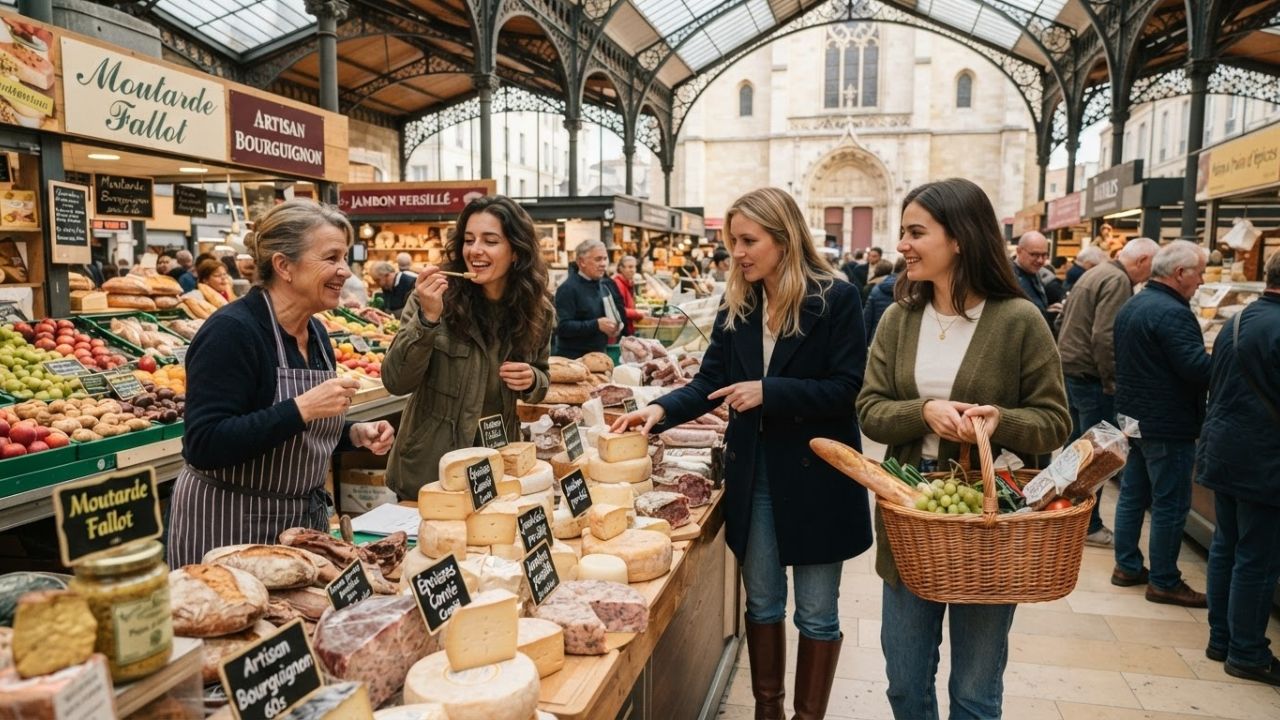
Image generated by AI
Dijon attracts nearly three million visitors annually, leveraging its dual UNESCO World Heritage listings that cover a 97-hectare historic urban core and the surrounding Climats vineyard terroir. Anchored by the Cité Internationale de la Gastronomie et du Vin (CIGV), the city is leading a European trend where travelers bypass crowded capital cities to explore authentic regional food cultures.
Dijon's Culinary Infrastructure: The Cité de la Gastronomie
The travel sector in France is experiencing a transition as planners build regional destinations to diversify visitor experiences. In August 2026, the gastronomy-led regeneration in Dijon is offering travelers a sustainable option that highlights Burgundy's winemaking heritage.
By establishing these seasonal travel corridors, the airline's management aims to support both business and leisure travel flows. Corporate travelers and travel agencies, which maintain strong relationships with global destination management organizations, benefit from direct seat capacity. This economic integration supports the travel sector, providing service providers with a reliable channel for high-value bookings.
By establishing these seasonal travel corridors, the airline's management aims to support both business and leisure travel flows. Canadian corporate travelers and travel agencies, which maintain strong relationships with European and Asian destination management organizations, would benefit from direct seat capacity. This economic integration supports the travel sector, providing service providers with a reliable channel for high-value bookings.
By establishing these seasonal travel corridors, the airline's management aims to support both business and leisure travel flows. Canadian corporate travelers and travel agencies, which maintain strong relationships with European and Asian destination management organizations, would benefit from direct seat capacity. This economic integration supports the travel sector, providing service providers with a reliable channel for high-value bookings.
By establishing these seasonal travel corridors, the airline's management aims to support both business and leisure travel flows. Canadian corporate travelers and travel agencies, which maintain strong relationships with European and Asian destination management organizations, would benefit from direct seat capacity. This economic integration supports the travel sector, providing service providers with a reliable channel for high-value bookings.
By establishing these seasonal travel corridors, the airline's management aims to support both business and leisure travel flows. Canadian corporate travelers and travel agencies, which maintain strong relationships with European and Asian destination management organizations, would benefit from direct seat capacity. This economic integration supports the travel sector, providing service providers with a reliable channel for high-value bookings.
By establishing these seasonal travel corridors, the airline's management aims to support both business and leisure travel flows. Canadian corporate travelers and travel agencies, which maintain strong relationships with European and Asian destination management organizations, would benefit from direct seat capacity. This economic integration supports the travel sector, providing service providers with a reliable channel for high-value bookings.
Clara Luppino, Advisor at Dijon Bourgogne Tourisme & Congrès, highlights the city's food heritage.
This includes the flagship Cité Internationale de la Gastronomie et du Vin (CIGV), featuring a 1,750 m² exhibition footprint, a 4,500 m² Gourmet Village retail complex, and over 3,000 wine references. The city serves as the northern gateway to the Route des Grands Crus and the Burgundy Canal. The regional tourism strategy focuses on traditional mustard-making workshops, pain d'épices (gingerbread), Crème de Cassis (blackcurrant liqueur), and wine tastings. Visitors can also climb the 316 steps of the 15th-century Tour Philippe le Bon for panoramic views. France's overall gastronomy profile is recognized globally, securing the 11th position in the Top 50 Food Destinations.
Greece and Spain: Authentic Flavors in Thessaloniki and San Sebastián
Secondary cities are emerging as major food tourism centers by combining regional customs with dining options.
This localized disruption also offers a unique opportunity for duty-free retailers and terminal operators to design services suited for stranded passengers. By monitoring passenger comfort levels during long delays, airport customer teams can provide complimentary amenities to ensure guest satisfaction. This proactive approach helps build traveler confidence, ensuring that regional transit routes remain competitive with global hub standards.
This localized disruption also offers a unique opportunity for duty-free retailers and terminal operators to design services suited for stranded passengers. By monitoring passenger comfort levels during long delays, airport customer teams can provide complimentary amenities to ensure guest satisfaction. This proactive approach helps build traveler confidence, ensuring that regional transit routes remain competitive with global hub standards.
Thessaloniki, Greece, is recognized as a UNESCO Creative City of Gastronomy.
The city's cuisine reflects Byzantine and Ottoman influences. Visitors can explore Modiano Market and Kapani Market, try Bougatsa cream pastries, or sample water-front seafood. In Spain's Basque Country, San Sebastián combines high-end dining with Parte Vieja (Old Town) pintxos bars, Mercado de la Bretxa tastings, and traditional Sagardotegi (Cider House) meals.
Central Europe and the Mediterranean: Brno, Ortigia, and Zagreb
Alternative culinary capitals offer travelers authentic regional food cultures at reasonable prices.
This environmental focus is supported by regional climatologists and conservationists who monitor ecosystem health. By tracking tourist footprint signals, managers can ensure that natural areas remain protected. The integration of carrying-capacity policies with wilderness trails demonstrates how tourism planning can protect biodiversity while offering high-quality educational hikes.
This localized culinary focus also offers a unique opportunity for restaurant associations and culinary schools to design programs suited for premium travelers. By monitoring traveler culinary preferences during long stays, local chefs can provide customized dishes to ensure guest satisfaction. This proactive approach helps build traveler confidence, ensuring that Goan coastal dining remains competitive with global culinary standards.
This localized culinary focus also offers a unique opportunity for restaurant associations and culinary schools to design programs suited for premium travelers. By monitoring traveler culinary preferences during long stays, local chefs can provide customized dishes to ensure guest satisfaction. This proactive approach helps build traveler confidence, ensuring that Goan coastal dining remains competitive with global culinary standards.
Brno, Czech Republic, features the Cabbage Market (Zelný Trh) alongside South Moravian craft breweries.
In Sicily, Ortigia's Mercato di Ortigia offers Mediterranean seafood and traditional granita. Zagreb, Croatia, connects the historic Dolac Market with baked Štrukli cheese pastries, blending Austro-Hungarian comfort food with Adriatic flavors.
Community Support and Sustainable Food Tourism
Directing travel spending to local farmers and independent artisans preserves culinary traditions.
For the visitor, the real impact is visiting regional destinations where tourism spending supports small-scale agricultural holders, municipal market vendors, and community-led heritage sites.
Sustainable initiatives include packaging reduction in historic markets, promoting pedestrian zones, and utilizing local rail transit.
Visitor Guide: Local Specialties, Transit Logistics, and Market Tips
Exploring Dijon's markets and coordinating Burgundy transit involves planning travel times, utilizing TGV rail links, and trying local delicacies.
Sample traditional culinary specialties during your stay. Savor Œufs en Meurette, poached eggs in red wine sauce with bacon. Try sweet Nonnettes, spiced gingerbread cakes filled with orange marmalade, and local cheese plates.
Coordinate your local transport. Fly to Paris Charles de Gaulle Airport (CDG), and board a high-speed TGV train directly to Dijon-Ville station. The train journey takes approximately 1.5 hours.
Observe market schedules and booking guidelines. Visit Les Halles de Dijon market on Tuesday, Friday, and Saturday mornings to buy cheeses directly from producers. Book mustard workshops at least a week in advance. Passports must have at least 6 months of validity.
Future Outlook: Rebuilding a Resilient Gastronomy Network
The long-term development of regional gastronomy depends on integrating transport corridors with regional planning. Local tourism boards and agricultural cooperatives are collaborating to support regional travel pipelines.
Sustainable initiatives include building low-emission shuttle links, promoting eco-friendly guesthouses, and introducing cultural heritage guides. By combining smart visitor management with traditional agricultural preservation, the region aims to support travel innovation, securing a resilient and connected future for Central Europe's mountain communities.
Related Travel Guides
Disclaimer
This article is for informational and educational purposes only. It does not constitute legal, financial, or professional advice. While we strive to provide accurate and up-to-date information, travel policies, regulations, and conditions change rapidly. Always verify information with official sources before making travel decisions. Nomad Lawyer makes no representations about the accuracy, reliability, completeness, or suitability of the information provided. Readers should consult qualified professionals for advice specific to their circumstances. The views expressed in this article are those of the author and do not necessarily reflect the views of Nomad Lawyer.