
European Coolcation Destinations for Hiking and Cycling
Switzerland, France, and Austria lead Europe's top coolcation list as travelers seek cooler climates for hiking and cycling holidays. Read updates.

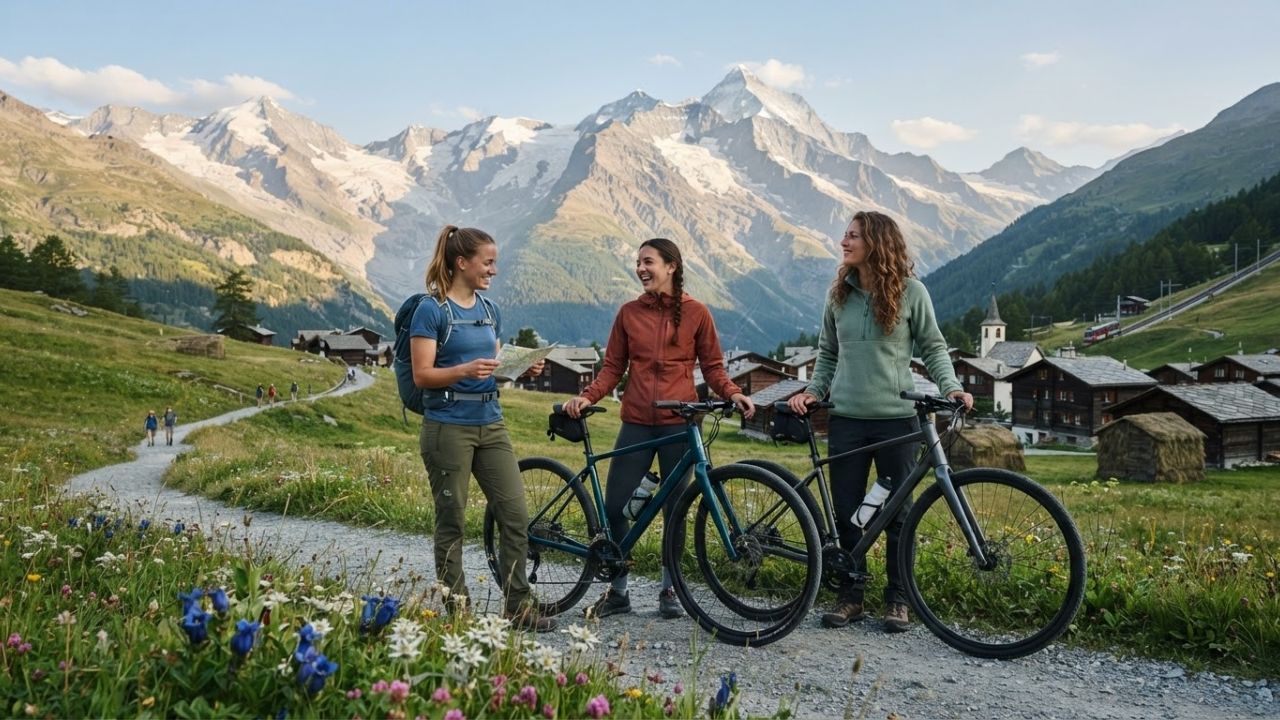
Image generated by AI
According to a comprehensive travel report published on August 15, 2026, European summer travel is witnessing a major shift as travelers increasingly choose cooler climates to escape rising seasonal temperatures.
This emerging travel style, known as a coolcation, focuses on active outdoor exploration such as mountain hiking, long-distance cycling, and nature-based activities in moderate weather conditions. By analyzing 30 popular European adventure destinations based on average temperatures, humidity, trail density, and transport links, researchers have identified alpine and high-altitude regions as the leading choices for summer getaways. Switzerland, France, and Austria are at the forefront of this shift, offering well-developed trail infrastructure and cooler mountain conditions that attract hikers and cyclists away from traditional Mediterranean coastal hotspots.
The transition toward climate-comfortable holidays represents a structural realignment across the European tourism sector, where visitors prioritize environmental views and physical activities over standard beach resort vacations. High-altitude environments provide natural cooling during peak summer months, allowing travelers to remain active without the discomfort of heatwaves. While Nordic destinations in Sweden and Norway remain highly attractive for their remote scenery, they face intense competition from the Alps due to accessibility and travel time differences. Additionally, domestic coolcation destinations in the United Kingdom and Ireland are gaining ground, proving that rewarding outdoor travel does not require long-distance flights.
High-Altitude Environments Attract Adventurers Seeking Mild Climates
The rising demand for hiking and cycling holidays has prompted regional tourism boards to invest in sustainable trail maintenance and public transport connectivity. Research indicates that modern holidaymakers select their destinations based on the quality of outdoor activities rather than historic landmarks alone. For alpine regions, this active travel trend creates a balanced economic opportunity, distributing visitor spending beyond winter sports seasons into the summer months. To help travelers compare the top active coolcation regions across Europe, the following table summarizes key features, primary outdoor activities, and accessibility details:
| European Destination | Primary Coolcation Region | Key Outdoor Activities & Trails | Accessibility & Transport Connection |
|---|---|---|---|
| Switzerland | Valais Region (Zermatt) | High-altitude alpine hiking, mountain biking trails | Highly accessible via national rail networks and mountain trains |
| France | Mont Blanc Region (Chamonix) | Tour du Mont Blanc trail, long-distance trekking | Convenient access from major international aviation hubs |
| Austria | Tyrol & Hohe Tauern National Park | Valley cycling, alpine trekking, wildlife viewing | Strong rail connections and well-developed outdoor networks |
| Sweden | Åre & Jämtland Mountains | Wilderness hiking, remote mountain biking | Longer travel times from major Western European cities |
| Norway | Lofoten Islands | Coastal hiking, dramatic mountaineering | High travel times and higher humidity levels to consider |
| United Kingdom | Scottish Highlands & Eryri National Park | Peak walking, remote trails, road cycling | Excellent domestic accessibility without international flights |
| Ireland | Connemara Region | Coastal walking, slow-paced countryside cycling | Scenic country roads and peaceful rural rail access |
Alpine Destinations Dominate the Coolcation Movement
Switzerland's Valais region has established itself as a leading active coolcation destination, combining spectacular alpine scenery with extensive trail networks. Located among the highest peaks in Europe, the region provides comfortable summer conditions that allow visitors to explore panoramic routes around Zermatt and surrounding valleys without extreme heat. Switzerland's high-altitude terrain offers natural cooling, and its integrated public transit system ensures that travelers can reach remote trailheads efficiently, supporting independent exploration.
Similarly, France's Mont Blanc region, particularly around Chamonix, ranks at the top for active summer travel. The area is highly popular due to its dense network of walking and cycling routes and easy access from major European transport hubs. The famous Tour du Mont Blanc trail, which crosses through France, Italy, and Switzerland, remains one of the continent's most recognized long-distance hiking experiences, showing the growing demand for adventure holidays in comfortable climates. Austria's Tyrol region and Hohe Tauern National Park also compete strongly, offering peaceful valleys and protected mountain environments that attract visitors seeking nature immersion away from crowded coastal zones.
Nordic and British Isles Regions Offer Unique Active Travel Options
Nordic destinations like Sweden's Åre and Jämtland Mountains and Norway's Lofoten Islands continue to attract travelers looking for unique summer adventures in peaceful environments. The Lofoten Islands offer dramatic coastal views and mountaineering opportunities, but longer journey times and higher humidity levels affect their accessibility ranking compared to easily reached alpine hubs. In the United Kingdom and Ireland, regional destinations such as the Scottish Highlands, Eryri (Snowdonia) National Park, and Connemara are emerging as strong coolcation competitors. These locations provide dramatic scenery, remote walking routes, and excellent accessibility for domestic travelers who want to maximize their time outdoors without the need for international flights.
As active tourism expands, regional authorities are developing sustainable transport options and visitor experiences designed around nature preservation. More travelers are selecting outdoor trips that require specialized travel insurance covering hiking, trekking, and mountaineering, indicating a shift toward safety-conscious adventure planning. By promoting less crowded mountain regions, European destinations are fostering a more responsible model of summer tourism that supports local communities and protects fragile natural environments from the negative impacts of overtourism.
Why This Matters (Information Gain & Experience)
For the traveler, this means that summer vacation planning is no longer restricted to selecting beach resorts; it involves choosing climate-friendly destinations that support active, healthy lifestyles. Opting for a coolcation in the Alps or the Scottish Highlands allows you to explore historic trails and natural reserves in comfortable weather, avoiding the physical exhaustion and safety risks associated with southern European heatwaves. From a logistical standpoint, choosing highly connected regions like Valais or Chamonix makes it easy to rely on public trains and buses to access trailheads, eliminating the cost and hassle of renting cars.
Additionally, practicing sustainable travel in these fragile mountain environments helps preserve their natural beauty for future generations. Travelers can support regional economies directly by staying in locally owned mountain guesthouses, dining at family-run alpine chalets, and purchasing regional specialties like Walliser dried beef and raclette cheese in Switzerland, or fresh tartiflette in the Mont Blanc region. Respecting local trail etiquette, yielding to uphill hikers, and packing out all waste ensures that high-altitude ecosystems remain protected. This thoughtful approach to adventure travel combines physical recreation with cultural appreciation and environmental stewardship.
Related Travel Guides
Disclaimer
This article is for informational and educational purposes only. It does not constitute legal, financial, or professional advice. While we strive to provide accurate and up-to-date information, travel policies, regulations, and conditions change rapidly. Always verify information with official sources before making travel decisions. Nomad Lawyer makes no representations about the accuracy, reliability, completeness, or suitability of the information provided. Readers should consult qualified professionals for advice specific to their circumstances. The views expressed in this article are those of the author and do not necessarily reflect the views of Nomad Lawyer.
Raushan Kumar
Founder & Lead Developer
Full-stack developer with 11+ years of experience and a passionate traveller. Raushan built Nomad Lawyer from the ground up with a vision to create the best travel and law experience on the web.
Learn more about our team →