
Astrotourism Surge: Dark Skies and Rural Escapes Redefine US Travel
Western US states are breaking traditional travel patterns by turning dark skies, rural escapes, and astronomy into powerful tourism experiences.

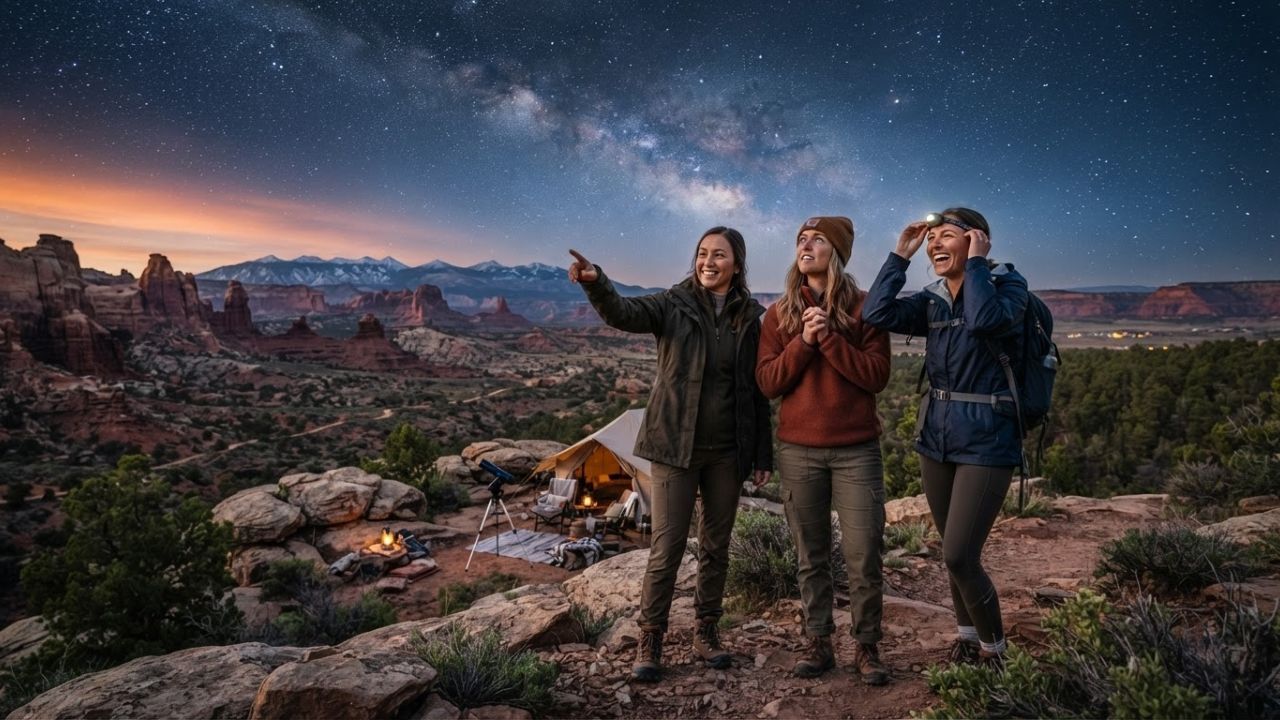
Image generated by AI
US travel patterns are shifting toward experience-led itineraries, with western states building new tourism products around dark skies, astronomy, and rural escapes. By preserving natural darkness and rural environments, states like Colorado and Utah are drawing visitors to remote communities and establishing travel opportunities after sunset.
The Local Trend Revealed
The transition away from conventional city breaks and crowded landmarks has encouraged western tourism offices to market environmental resources that already exist. This trend has expanded across several states:
- Colorado: The Colorado Tourism Office's Stargazing Trail connects travelers with certified Dark Sky Parks, communities, and specialized accommodation. This initiative establishes a second travel calendar after dark, offering star parties, moonlit hikes, and observatory visits.
- Utah: The Utah Office of Tourism's Dark Sky program promotes responsible overnight visitation across its network of recognized dark-sky locations.
- Oregon: Travel Oregon's dark-sky and rural development programs combine cycling, camping, farm stays, and stargazing to distribute visitors geographically and seasonally.
- New Mexico: The state's Dark Skies program uses its high altitude to support astrophotography, telescope-related businesses, and astronomy retreats in rural communities.
- Nevada: The Nevada Division of Outdoor Recreation's Dark Skies Toolkit promotes astrotourism and wilderness camping as an alternative to casino-centric itineraries.
- Idaho: Homes the Central Idaho Dark Sky Reserve, which became the first International Dark Sky Reserve in the United States in 2017. Stargazing destinations like Bruneau Dunes State Park offer a distinct tourism identity.
- Wyoming: The state's Outdoor Recreation and Tourism Trust Fund supports infrastructure development to link hospitality, workforce planning, and wilderness recreation.
- Arizona: Integrates scientific tourism with indigenous storytelling, utilizing astronomy resources like the University of Arizona's Department of Astronomy to deepen the visitor experience.
Cultural & Environmental Value
For the visitor, the real impact of astrotourism is the active support of wilderness conservation and small-town economies. Reducing light pollution is critical for local ecosystems, protecting the nocturnal migration patterns of birds and wildlife.
In Utah, visitors are educated to protect the fragile biological soil crusts in desert parks, while in Colorado, travelers are urged to stick to designated trails in alpine environments. By selecting farm stays, local guest houses, and rural stargazing guides rather than global hotel franchises, travelers ensure their spending directly supports family businesses in communities historically overlooked by mainstream tourism.
Visitor Insider Tips for Stargazing Trips
Travel specialists suggest the following strategies for travelers planning an astrotourism journey:
- Coordinate with the Lunar Cycle: Plan stargazing trips during a new moon or in the days leading up to it. A bright moon washes out stars and deep-sky objects, making the sky appear significantly brighter.
- Observe the Off-Peak Window: The best time to visit stargazing destinations in Colorado and Utah is from September to October. Autumn offers clear night skies, crisp air, and comfortable daytime temperatures before winter trail closures.
- Protect Night Vision: Carry a flashlight with a red-light filter (or place red tape over your phone light). White light disrupts night-vision adaptation, which takes 20 to 30 minutes to recover.
- Sample Regional Specialties:
- In Colorado, try a bowl of green chili or Elk Sausage at a mountain diner.
- In Utah, sample Mormon Funeral Potatoes (a cheesy potato casserole with a cornflake crust) or local huckleberry milkshakes.
- Explore Under-the-Radar Spots:
- In Colorado, visit the Dark Sky Communities of Westcliffe and Silver Cliff, featuring a public observatory with a 14-inch telescope.
- In Utah, explore Goblin Valley State Park, where strange, mushroom-shaped sandstone formations look otherworldly under the Milky Way.
- Observe Park Rules: Always respect local regulations regarding night access, keep vehicle headlights on low beam when approaching stargazing areas, and pack out all waste.
Tourism Outlook
The long-term impact of astrotourism is a more geographically distributed and sustainable travel economy. Stargazing and rural travel encourage longer stays and offseason travel, generating revenue for local communities after traditional daytime attractions close. As dark-sky networks expand, these western states are defining a new chapter of US tourism focused on authenticity, preservation, and quiet discovery.
FAQ: Astrotourism and Dark Skies
What is an International Dark Sky Reserve? It is a public or private land area possessing an exceptional quality of starry nights and a nocturnal environment that is specifically protected for its scientific, natural, and educational value. The Central Idaho Dark Sky Reserve was the first designated in the US in 2017.
Why is dark-sky preservation important for tourism? Preservation prevents light pollution, allowing travelers to observe stars, constellations, and celestial events while distributing visitor spending into rural and remote communities.
How does light pollution affect the environment? Excessive artificial light disrupts the natural cycles of wildlife, migratory birds, and plants, making darkness preservation a vital conservation effort.
What is the best way to prepare for a stargazing trip? Stargazers should check light pollution maps, plan their trip around the new moon, pack warm clothing, and use red-light flashlights to maintain night vision.
Related Travel Guides
Disclaimer
This article is for informational and educational purposes only. It does not constitute legal, financial, or professional advice. While we strive to provide accurate and up-to-date information, travel policies, regulations, and conditions change rapidly. Always verify information with official sources before making travel decisions. Nomad Lawyer makes no representations about the accuracy, reliability, completeness, or suitability of the information provided. Readers should consult qualified professionals for advice specific to their circumstances. The views expressed in this article are those of the author and do not necessarily reflect the views of Nomad Lawyer.
Preeti Gunjan
Contributor & Community Manager
A passionate traveller and community builder. Preeti helps grow the Nomad Lawyer community, fostering engagement and bringing the reader experience to life.
Learn more about our team →