
Brazil Tourism Surges as Air Arrivals Climb 12% Amid Market Diversification
Brazil welcomed 5.87 million international visitors through July 2026, driven by a 12% rise in air arrivals and growing demand from North America and China.

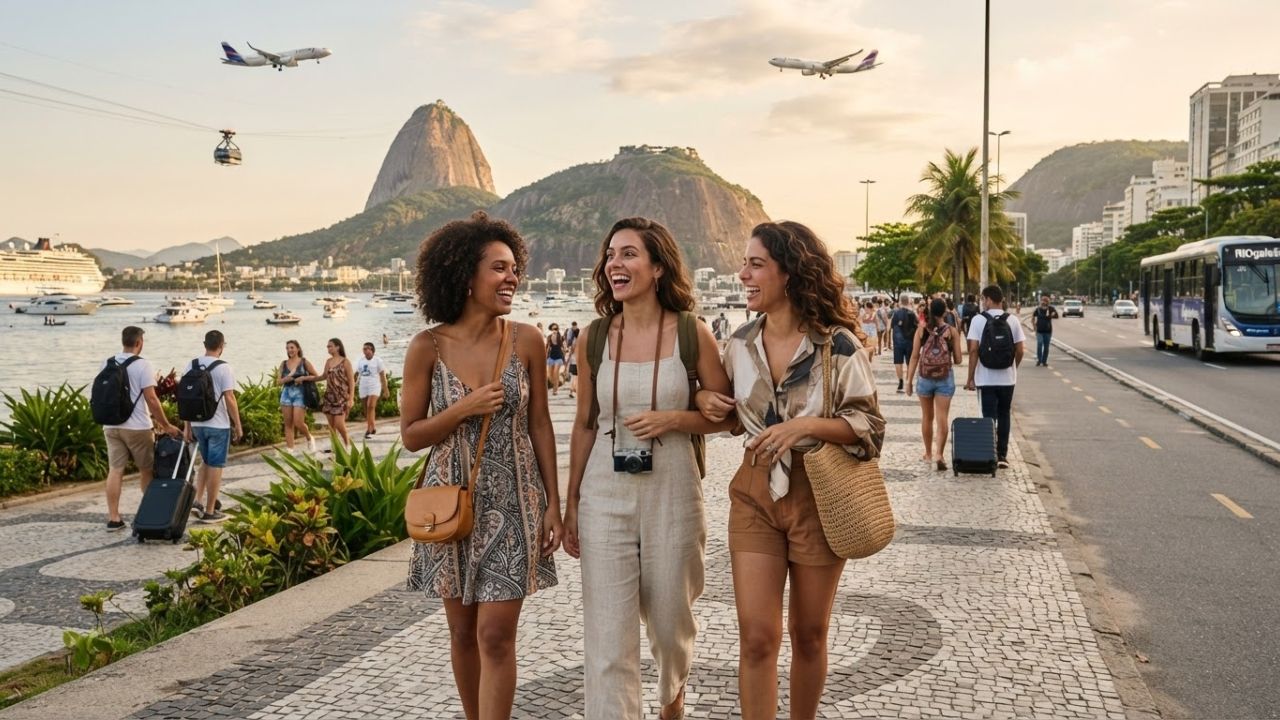
Image generated by AI
Brazil welcomed 5,870,000 international visitors from January to July 2026, representing the country's second-highest arrivals total in history. While land crossings from neighboring Argentina and Paraguay declined, inbound air arrivals surged by 12 percent, indicating a significant shift toward long-haul market diversification.
The Local Trend Revealed
According to the official January-to-July tourism report released by Embratur (Brazilian Agency for International Tourism Promotion), the Federal Police, and the Ministry of Tourism, Brazil is reducing its reliance on traditional South American land borders. Instead, the country is expanding its international portfolio through aviation:
- Air Arrivals Surge: More than 4,000,000 international tourists entered Brazil by air in the first seven months of 2026, a 12 percent increase from the same period in 2025. Air travel accounted for 68 percent of all arrivals through July, rising to 78 percent in July alone.
- North American Demand: Visitors from the US, Canada, and Mexico produced 608,068 arrivals through July, making up 10.4 percent of total tourism. July saw 78,507 North American arrivals (a 10.96 percent increase year-on-year), the strongest July performance for these markets since 2013. The US alone supplied 60,888 visitors in July, a 10.7 percent annual increase.
- Canada and China Growth: Canadian arrivals rose to 70,977 through July, a 14.6 percent annual increase, corresponding with Statistics Canada reports showing residents shifting trips away from the US. Chinese arrivals climbed by 64.5 percent, rising from 7,500 in July 2025 to about 16,800 in July 2026.
- Latin American Markets: Colombian arrivals increased by 33 percent, Peru grew by 18.8 percent, Mexico rose 11 percent, Chile advanced by 4.3 percent, and Uruguay grew by 2.9 percent.
- Regional Gateways Expansion: Regional arrivals rose, with Rio de Janeiro growing by 14.4 percent, Ceará by almost 24 percent, and Pernambuco by 77 percent, spreading tourism spending beyond São Paulo.
Electronic Visas and Entry Requirements
On April 10, 2025, Brazil reinstated electronic visa requirements for citizens of the United States, Canada, and Australia. The electronic visitor visa (eVisa) supports stays of up to 90 days, with the application fee for Canadian citizens set at US$80.90, as outlined by the Ministry of Foreign Affairs of Brazil. Despite the added administrative step and cost, visitor arrivals from these regions have continued to expand, demonstrating that travelers are willing to navigate travel requirements for long-haul Brazilian experiences.
Cultural & Environmental Value
For the visitor, the real impact of regional gateway expansion is the direct support of local host communities. By landing in northeastern cities like Recife or Fortaleza, travelers can bypass major corporate hubs and spend directly in local economies. Choosing family-run guest houses (pousadas) and dining at neighborhood-based scale-weight restaurants (restaurantes por quilo) ensures that visitor spending directly supports Brazilian families.
Eco-tourism is also a major focus for local authorities. In sensitive areas like the Amazon or the dunes of Jericoacoara, visitors are urged to hire local guides certified by regional environmental groups. Bypassing mass-market tour groups in favor of community-led conservation tours directly aids local families and promotes long-term ecological preservation.
Visitor Insider Tips for Traveling in Brazil
Local specialists suggest the following strategies for travelers visiting Brazil:
- Observe the Off-Peak Window: The ideal time to visit is during the spring window of September to October. The weather is warm and dry, and you can secure lower rates for flights and accommodations before the summer and Carnival crowds arrive.
- Observe Local Etiquette: Brazilians are warm and communicative. When greeting others, women often exchange one or two light air kisses on the cheeks, while men share a friendly handshake or a pat on the shoulder. Always say Por favor (please) and Obrigado (if you identify as male) or Obrigada (if you identify as female) to show respect.
- Sample Culinary Specialties: Visit a local neighborhood churrascaria to try traditional rodizio-style meats, or enjoy Feijoada (black bean and pork stew), which is traditionally served on Saturdays. Pair your meal with fresh Água de Coco (coconut water) from a beach kiosk in Rio.
- Explore Under-the-Radar Spots: In Rio de Janeiro, visit Parque Lage at the base of Corcovado for a peaceful morning walk. In São Paulo, check out the street art at Beco do Batman in Vila Madalena, or hike the trails of Parque da Cantareira to see the local wildlife and panoramic city views.
Tourism Outlook
The long-term impact of Brazil's tourism expansion is a more geographically distributed and resilient travel sector. While land arrivals from neighboring Argentina fell by 15.2 percent, the 12 percent growth in air arrivals and the expansion of North American and Asian markets will help the country reduce its reliance on a single source market and build a sustainable year-round visitor economy.
FAQ: Brazil Tourism Expansion
How many international visitors did Brazil receive in the first seven months of 2026? Brazil welcomed 5,870,000 international visitors from January to July 2026, which is the second-highest result for this period in history.
What was the growth rate of international air arrivals? Inbound air arrivals grew by 12 percent through July 2026, with more than 4,000,000 international visitors entering Brazil by air.
When did Brazil reinstate electronic visas for US and Canadian citizens? The eVisa requirement was reinstated on April 10, 2025, permitting eligible visitors to stay for up to 90 days.
Which Brazilian state gateways recorded the highest arrivals growth? Pernambuco recorded the highest percentage increase at 77 percent, while Ceará grew by almost 24 percent and Rio de Janeiro by 14.4 percent.
Related Travel Guides
Disclaimer
This article is for informational and educational purposes only. It does not constitute legal, financial, or professional advice. While we strive to provide accurate and up-to-date information, travel policies, regulations, and conditions change rapidly. Always verify information with official sources before making travel decisions. Nomad Lawyer makes no representations about the accuracy, reliability, completeness, or suitability of the information provided. Readers should consult qualified professionals for advice specific to their circumstances. The views expressed in this article are those of the author and do not necessarily reflect the views of Nomad Lawyer.

Raushan Kumar
Founder & Lead Developer
Full-stack developer with 11+ years of experience and a passionate traveller. Raushan built Nomad Lawyer from the ground up with a vision to create the best travel and law experience on the web.
Learn more about our team →