
Colombo Heritage Travel Guide 2026: The Kolamba Expedition, Galle Face History, and Historic Quarter Trails

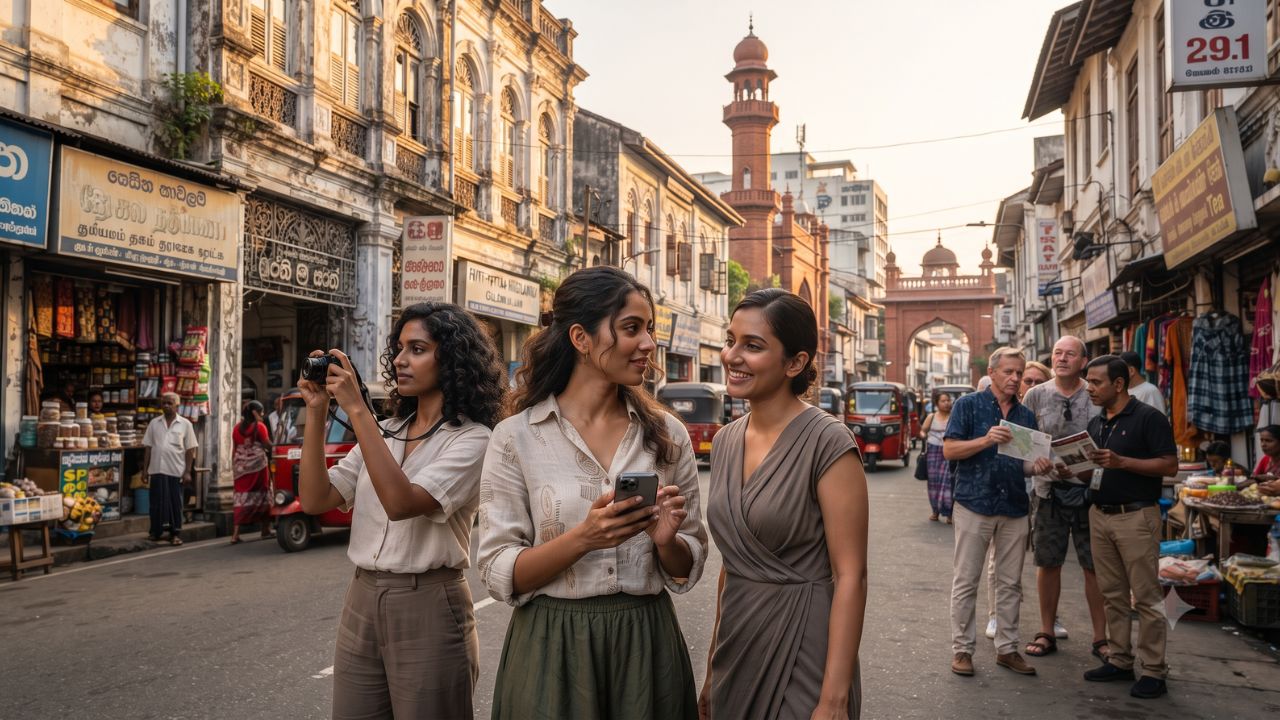
More than 80 percent of international travelers landing at Bandaranaike International Airport immediately board express trains or highway taxis toward southern beaches or hill country tea estates, bypassing Colombo entirely. That transit habit is undergoing a decisive shift with the launch of the Kolamba Expedition, an immersive urban heritage journey developed through a historic partnership between the iconic 19th-century Galle Face Hotel and pioneer tour company Ebert Silva Holidays to reveal the layered trade chronicles, architectural crossroads, and cultural communities of Sri Lanka's oceanfront capital.
Rather than presenting Colombo as a mere concrete transit interchange, the expedition invites travelers to slow down and explore five centuries of Portuguese, Dutch, and British maritime history interwoven with vibrant Sinhalese, Tamil, Muslim Moor, Malay, and Burgher neighborhood traditions.
The Kolamba Expedition: A Narrative Circuit Through Colombo's Historic Quarters
Supported by promotional initiatives from the Sri Lanka Tourism Development Authority, the expedition reimagines urban exploration through structured storytelling. Departing from the grand oceanfront terrace of the Galle Face Hotel—which has hosted maritime travelers and literary figures since 1864—the curated route connects five distinct historic zones:
- Fort Administrative District: The fortified ocean bastion where 17th-century Dutch ramparts, the neoclassical Old Parliament building, the 1857 lighthouse clock tower, and the meticulously restored Old Dutch Hospital hospital-turned-dining precinct reveal Colombo's colonial trade epicenter.
- Pettah Wholesale Bazaars: The energetic commercial merchant quarter where centuries-old open-air trading streets (veediya) are organized by specialty trades—from gem dealers on Sea Street to spice merchants along 5th Cross Street and the candy-striped minarets of the 1908 Jami Ul-Alfar Red Mosque.
- Slave Island (Kompanna Veediya): A rapidly transforming multicultural enclave where historic railway colonial architecture, traditional Malay sweet shops, and cutting-edge contemporary art galleries coexist around tranquil urban canals.
- Beira Lake and Gangaramaya: The sacred water sanctuary housing Geoffrey Bawa’s floating Seema Malaka temple and the eclectic Gangaramaya Buddhist complex, showcasing centuries of brass sculptures, sacred relics, and temple art.
- Cinnamon Gardens and Independence Square: The leafy, wide boulevards of the former colonial spice plantations, anchored by the stone-pillared Independence Memorial Hall that commemorates the nation’s 1948 transition to sovereignty.
What Makes Colombo Experientially Unique
Colombo is an extraordinary coastal metropolis shaped by the monsoon winds of the Indian Ocean, where tropical modernism coexists with living religious pluralism. Within a single square kilometer, church bells of the 1749 Dutch Wolvendaal Church chime alongside the adhan from neighborhood mosques, chanting from Hindu Kovils adorned with colorful gopurams, and Buddhist pirith broadcasts.
The architectural identity of the city owes much to legendary architect Geoffrey Bawa, pioneer of tropical modernism. His design philosophy—blurring internal living areas with lush outdoor courtyards, reflecting pools, and natural air breezes—is evident throughout private residences, government buildings, and gallery cafes across the capital.
Culinary traditions in Colombo are equally rich and diverse. Street-corner kottu roti stalls generate rhythmic musical clatter as flatbread, vegetables, eggs, and rich curries are chopped on smoking iron griddles. In the evening, the oceanfront promenade of Galle Face Green fills with local families flying kites, eating spicy deep-fried lentil isso vadei (prawn cakes topped with whole chili and lime), and watching the sun set over the Indian Ocean.
Visitor Insider Tips for Exploring Colombo
- Optimal Walking Windows: Midday heat and humidity in Colombo can be intense. Schedule self-guided walking tours through Pettah and Fort between 7:00 a.m. and 10:00 a.m., or after 4:30 p.m. when afternoon temperatures cool and street markets hit their liveliest stride.
- Navigating City Transport: Download ride-hailing mobile apps like PickMe or Uber for transparent, metered three-wheeler (tuk-tuk) fares. If hailing a street tuk-tuk in Fort or Kollupitiya, ensure the driver switches on the digital meter before departing.
- Heritage Rail Transit: For a scenic coastal perspective, board the slow commuter train operated by Sri Lanka Railways from Colombo Fort Station south toward Mount Lavinia. The tracks run directly along the rocky shoreline, offering uninterrupted ocean views for just a few rupees.
- Temple and Mosque Etiquette: When visiting Seema Malaka, Gangaramaya, or the Red Mosque, dress respectfully with covered shoulders and knees. Remove footwear before stepping onto temple stone tiles, and remove hats or head coverings at Buddhist shrines.
- Authentic Local Dining: Skip westernized hotel buffets and head to local institutions like Green Cabin or roadside curry houses in Bambalapitiya. Order a traditional clay-pot lunch featuring red rice, jackfruit curry (polos), sour fish curry (ambul thiyal), and fresh coconut sambol.
Cultural and Environmental Context
The growth of heritage storytelling initiatives like the Kolamba Expedition represents an important step in protecting Colombo's architectural legacy amid rapid modern high-rise development.
Decades of civil conflict and rapid commercial expansion put many historic colonial and pre-independence structures at risk of demolition. By establishing measurable economic value through urban heritage tourism, local preservation trusts and architectural conservators gain greater leverage to protect 19th-century warehouses, Dutch townhouses, and art deco cinema halls from destruction.
Moreover, sustainable urban initiatives are breathing new life into Colombo's wetland ecosystems. Restored walking boardwalks around Diyatha Uyana and the wetlands of Thalawathugoda demonstrate how green flood-retention basins can double as public eco-parks where travelers spot wild monitor lizards, purple-faced langurs, and endemic kingfishers within city limits.
FAQ: Visiting Colombo 2026
What is the best season to explore Colombo?
The driest and sunniest months to visit Colombo are from December to March, when the southwest monsoon subsides, offering comfortable conditions for urban walking tours.
How do I travel between the airport and downtown Colombo?
Take an official airport metered taxi or express air-conditioned highway coach from Bandaranaike International Airport (CMB), reaching central Colombo in 35 to 45 minutes via the expressway.
Do I need a visa to enter Sri Lanka?
Most international travelers must apply for an Electronic Travel Authorization (ETA) online before arrival, granting a 30-day tourist stay with extension options.
Is Colombo safe for independent and solo travelers?
Yes. Colombo is considered one of South Asia’s safest and most orderly capital cities, with friendly locals, accessible transport apps, and helpful tourist police.
As tropical ocean breezes drift across the historic ramparts of Fort, Colombo reveals that its true soul is found not in transit, but in the timeless stories of its streets.
Related Travel Guides
Disclaimer
This article is for informational and educational purposes only. It does not constitute legal, financial, or professional advice. While we strive to provide accurate and up-to-date information, travel policies, regulations, and conditions change rapidly. Always verify information with official sources before making travel decisions. Nomad Lawyer makes no representations about the accuracy, reliability, completeness, or suitability of the information provided. Readers should consult qualified professionals for advice specific to their circumstances. The views expressed in this article are those of the author and do not necessarily reflect the views of Nomad Lawyer.
Raushan Kumar
Founder & Lead Developer
Full-stack developer with 11+ years of experience and a passionate traveller. Raushan built Nomad Lawyer from the ground up with a vision to create the best travel and law experience on the web.
Learn more about our team →