
Honduras Expands Rural Tourism Around Gracias: Lenca Heritage and Celaque Cloud Forest Travel Guide 2026

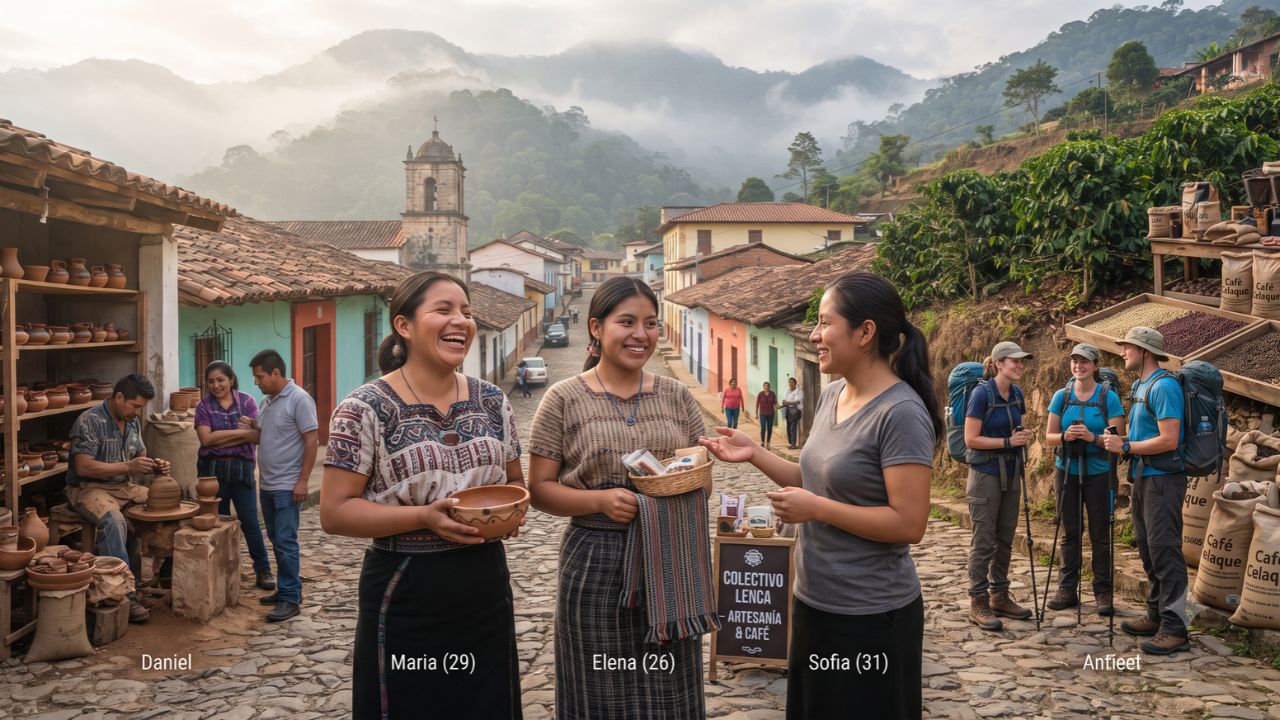
Perched at over 1,700 metres above sea level beneath Central America's most imposing cloud forests, western Honduras holds a highland climate where average temperatures hover twenty degrees cooler than the Caribbean coast. While international visitors frequently rush toward Roatan's coral reefs or the Mayan ruins of Copan, the colonial town of Gracias in the department of Lempira anchors an indigenous cultural heartland where ancient pottery methods, volcanic thermal waters, and cloud canopy biodiversity converge.
Western Honduras represents a distinct geography where mountain ranges and indigenous heritage define daily existence. Gracias serves as the geographic pivot for travelers seeking authentic cultural encounters combined with high-altitude hiking. The surrounding mountains are home to the Lenca people, the largest indigenous community in Honduras, whose heritage traditions remain intimately tied to pine forests, fertile agricultural soils, and communal artisan cooperatives.
Western Honduras Emerges as an Eco-Cultural Corridor
Travel patterns across Central America are shifting toward immersive regional journeys that link conservation areas with living indigenous communities. The corridor surrounding Gracias, situated along the base of the Celaque mountain massif, provides an integrated travel experience that connects historical architecture with high-elevation ecosystems. Official itineraries promoted by the Honduran Tourism Institute increasingly highlight multi-stop journeys combining the highland centers of La Esperanza, Intibucá, and Gracias.
Economic development in the region is closely aligned with community empowerment. In May 2026, the Honduran National Entrepreneurship and Small Business Service (SENPRENDE) documented comprehensive support programs for rural women in Intibucá, partnering with Oxfam to establish rural savings and credit associations, agricultural production networks, organic honey harvesting cooperatives, and indigenous handicraft enterprises. Building upon these efforts, SENPRENDE and the Ministry of Women announced an expanded initiative in July designed to support over 1,700 women through entrepreneurship training, financing access, the CREDIMUJER credit line, and a targeted 25-million-lempira development fund.
These financial initiatives provide vital economic foundations for local families operating homestays, pottery workshops, and agro-tourism ventures. By supporting micro-enterprises across Lempira and Intibucá, the region ensures that visitor spending directly supports indigenous households rather than outside tour conglomerates.
What Makes the Lenca Highlands and Celaque Distinct
The geographical and cultural identity of Gracias draws directly from its immediate neighbor, Montaña de Celaque National Park. Protected under the National Institute of Conservation and Forest Development (ICF Honduras), Celaque safeguards the nation's highest mountain summit, Cerro Las Minas, rising to 2,870 metres above sea level. This massive biological reserve shelters pristine cloud forest environments rich in endemic flora, quetzals, howler monkeys, and natural spring headwaters that supply clean water to dozens of downstream municipalities.
Culturally, western Honduras preserves ancestral Lenca traditions that survived Spanish colonial rule. In nearby mountain villages such as La Campa, located a short drive south of Gracias, local artisans practice traditional pottery techniques passed down through generations. Rather than using modern electric kilns, Lenca potters shape local mountain clay entirely by hand without a potter's wheel, applying natural river stones for burnishing and firing pieces in open wood fires. The resulting earthenware features distinctive earthy tones and geometric motifs that mirror pre-Columbian aesthetics.
The colonial town center of Gracias complements this natural grandeur with centuries-old architectural landmarks. Cobblestone streets lead toward the historic San Marcos and San Sebastian churches, the hilltop fortress of Fuerte San Cristobal, and the panoramic viewpoint of La Gruta. A visit to the local Lenca Culture Museum provides historical context before travelers venture out toward surrounding coffee fincas and the therapeutic volcanic mineral pools at Aguas Termales Presidente.
Visitor Insider Tips
Navigating the mountain terrain and rural communities of western Honduras requires thoughtful preparation and respect for local cultural norms.
- Optimal Hiking Windows: When climbing Celaque, begin your ascent from the visitor center at dawn between 5:30 AM and 6:00 AM. Cloud forest moisture and thick mist roll in by midday, making early morning the clearest window for wildlife observation and trail visibility.
- Artisan Etiquette in La Campa: When visiting pottery workshops in La Campa, ask for permission before photographing potters at work. Purchase items directly from family workshops rather than haggling aggressively, as prices reflect days of manual labor and wood collection.
- Regional Gastronomy: Taste local mountain specialties including ticucos (corn dough parcels stuffed with refried beans, herbs, and loroco wrapped in banana leaves) and fresh highland coffee harvested from smallholder farms across Lempira.
- Basecamp Location: Base yourself within walking distance of Gracias town square for dining and transport options, or book community homestays in surrounding highland villages for an immersive cultural exchange.
- Transport Strategy: While public buses connect San Pedro Sula and Tegucigalpa with Gracias, hiring a local 4x4 taxi or organized driver is essential for reaching remote trailheads, thermal baths, and outer mountain cooperatives.
Cultural and Environmental Context
The highland ecosystems of western Honduras face dual pressures from changing climate patterns and agricultural expansion. Coffee cultivation remains a primary source of rural livelihood across Lempira, making sustainable agroforestry and shade-grown farming vital to soil conservation and water retention. By connecting specialty coffee farms with tourism tastings and educational tours, farmers receive additional revenue streams that incentivize sustainable land management.
Tourism development around Celaque emphasizes community stewardship. Local Lenca guides lead trekking groups through designated trail corridors, reducing environmental impact on fragile cloud forest flora while sharing traditional botanical knowledge. Continued collaboration between conservation authorities, indigenous artisan networks, and small business agencies ensures that tourism revenue protects mountain biodiversity while strengthening indigenous autonomy and rural economic resilience across western Honduras.
FAQ: Visiting Western Honduras and Celaque 2026
What is the best time of year to visit Gracias and Celaque?
The dry season from November through April offers optimal weather for hiking Celaque trails, exploring rural villages, and navigating mountain roads without heavy rainfall disruptions.
How do travelers reach Gracias from major international airports?
Fly into Ramon Villeda Morales International Airport in San Pedro Sula, then travel approximately three to four hours southwest by highway or regional bus through Santa Rosa de Copan.
Do I need a certified guide to hike Celaque National Park?
While lower interpretive trails can be walked independently, summit treks to Cerro Las Minas require hiring a certified local guide from the visitor center for route safety and navigation.
Are credit cards widely accepted in rural Lenca communities?
Most small workshops, rural guesthouses, and market stalls operate entirely in cash. Carry sufficient Honduran lempiras obtained from ATMs in Gracias before heading into mountain settlements.
The quiet mountain ridges of western Honduras remind travelers that the truest journeys begin where the pavement ends and ancestral traditions endure.
Related Travel Guides
Disclaimer
This article is for informational and educational purposes only. It does not constitute legal, financial, or professional advice. While we strive to provide accurate and up-to-date information, travel policies, regulations, and conditions change rapidly. Always verify information with official sources before making travel decisions. Nomad Lawyer makes no representations about the accuracy, reliability, completeness, or suitability of the information provided. Readers should consult qualified professionals for advice specific to their circumstances. The views expressed in this article are those of the author and do not necessarily reflect the views of Nomad Lawyer.
Raushan Kumar
Founder & Lead Developer
Full-stack developer with 11+ years of experience and a passionate traveller. Raushan built Nomad Lawyer from the ground up with a vision to create the best travel and law experience on the web.
Learn more about our team →