
Colombia Travel Experiences Are Captivating Modern Travelers Worldwide With Soul-Stirring Biodiversity And Unmatched Cultural Warmth
Colombia Travel Experiences Are Captivating Modern Travelers Worldwide With Soul-Stirring Biodiversity And Unmatched Cultural Warmth. Latest travel news, updates, and expert analysis.

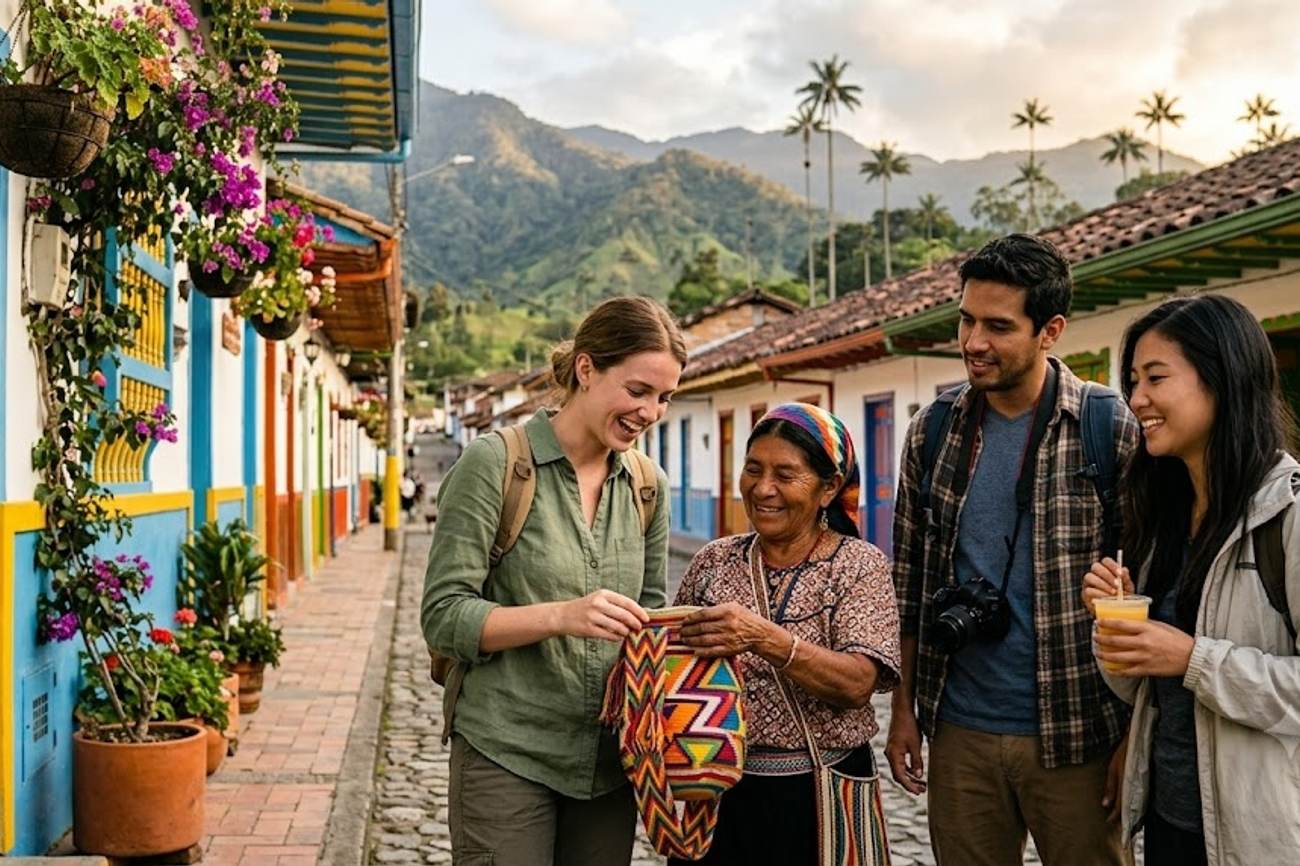
Image generated by AI
Holding the undisputed global record for avian diversity with more than 1,900 distinct bird species, Colombia has channeled its unmatched ecological richness into a $13.4 billion visitor economy that accounts for over 2.3% of national gross domestic product. Rather than booking single-stop resort holidays, international voyagers are staying longer—pushing their average trip duration from 13 to 16 days—supported by specialized long-stay visas and an influx of over 45,000 digital nomads based in dynamic regional hubs. By pairing 59 protected National Natural Parks spanning 14% of its territory with genuine community hospitality, Colombia is setting a fresh global benchmark for multi-ecosystem travel.
Compressing Continents: How Colombia Redefines Multi-Ecosystem Travel in 2026
The global travel sector is experiencing a permanent departure from rigid cruise routes and cookie-cutter beach holidays. Modern travelers increasingly seek compressed environmental variety, desiring journeys where dramatic transitions in elevation, climate, and culture occur within a single afternoon. Colombia excels at this geographic density: an international visitor can begin the morning sipping pour-over coffee in the crisp mountain air of Bogotá at 2,640 meters, take a flight under two hours, and stand on the warm Caribbean beaches of Santa Marta or the cobbled plazas of Cartagena by afternoon.
This structural shift has fueled unprecedented macroeconomic momentum. Annual non-resident arrivals have crossed 6.4 million visitors, securing Colombia's standing as the third most visited destination across Latin America and sustaining more than 870,000 regional jobs. The United States supplies roughly 20% of all international arrivals—surpassing 1.2 million annual visitors—complemented by expanding direct flight frequencies from European and Latin American capitals into secondary gateways. Long-haul connections are no longer funneling exclusively through El Dorado International Airport in Bogotá; direct international services now land at José María Córdova International Airport serving Medellín and Rafael Núñez International Airport in Cartagena, distributing travelers directly into regional provinces.
Equally transformative is the integration of rural agritourism with ecological preservation. In the central departments of Caldas, Quindío, and Risaralda, the Coffee Triangle thrives as an agricultural sanctuary inscribed on the UNESCO World Heritage Centre register since 2011. Here, historic working fincas host travelers for in-depth bean-to-cup agricultural workshops that directly insulate farming families from volatile international commodity swings. Nearby in the iconic Valle de Cocora, native wax palms (Ceroxylon quindiuense) reach dizzying heights of 60 meters, anchoring a cloud forest sanctuary that shelters endangered endemic fauna like the spectacled bear.
Metropolitan centers reflect a parallel revolution in sustainable urban engineering. Medellín has evolved into an international reference point for social urbanism, utilizing its aerial Metrocable gondola networks to connect steep hillside comunas with downtown transit lines, cutting daily resident commutes while providing safe mobility for visiting travelers. Civic greening projects such as Parques del Río have integrated over 6,000 urban gardens across the Aburrá Valley, creating natural cooling corridors. Both Bogotá and Medellín now consistently rank among the top 30 global cities recognized by the International Congress and Convention Association (ICCA) for international business gatherings, demonstrating how green infrastructure elevates destination prestige.
What Makes Colombia Distinct From Any Other South American Gateway
Colombia's geographic distinction lies in its status as the sole nation in South America commanding vast coastlines along both the Pacific Ocean and the Caribbean Sea, divided down its spine by three distinct Andean mountain cordilleras. This dramatic topography fosters microclimates that shelter more than 58,000 vascular plant species and over 500 mammal species managed by Parques Nacionales Naturales de Colombia.
Just offshore from Cartagena, the 120,000-hectare marine sanctuary of Corales del Rosario National Natural Park safeguards extensive coral reef tracts, sea turtle nesting beaches, and coastal mangrove systems. Further north in the open Caribbean, the remote archipelago of San Andrés, Providencia, and Santa Catalina attracts over 800,000 annual travelers to its famed "Sea of Seven Colors," where strict carrying capacities protect coastal flats and preserve the linguistic heritage of the native English-speaking Raizal Creole population.
In the deep south, the Leticia Trapezoid connects travelers directly to the Amazon River, where Tikuna indigenous communities guide small-group river expeditions through Amacayacu National Natural Park. In the Caribbean north, the mist-shrouded peaks of the Sierra Nevada de Santa Marta rise directly from the sea to elevations exceeding 5,700 meters. Here, multi-day trekking expeditions to Ciudad Perdida (The Lost City) are strictly regulated in partnership with the ancestral Arhuaco, Kogi, Wiwa, and Kankuamo tribal nations, ensuring that ancient stone terraces remain sacred sites rather than tourist curiosities.
Visitor Insider Tips: Navigating Regional Pacing and Local Traditions
- Pacing and Acclimatization: When landing at high altitudes in Bogotá, schedule your initial 48 hours for gentle city strolls, plentiful hydration, and hot infusions of aromática or coca leaf tea. Avoid heavy physical exertion until your body adjusts to the 2,640-meter elevation before planning mountain ascents up Monserrate.
- Cultural Etiquette and Everyday Phrases: Colombians place high social value on formal courtesy. Always begin encounters with a warm greeting ("Buenos días" or "Buenas tardes") before asking for directions or ordering food. Respect the classic local idiom "No dar papaya"—do not display expensive jewelry, high-end electronics, or open wallets on street corners. When hailing taxis after dark, use authorized mobile ride-hailing apps or hotel dispatch desks rather than flagging unmarked vehicles on the road.
- Regional Culinary Highlights: Taste the regional biodiversity through local cooking. In Medellín and Antioquia, fuel your morning with a traditional arepa de choclo topped with salty fresh cheese, or a midday bandeja paisa laden with slow-cooked beans, powdered beef, crispy chicharrón, and sweet plantains. In Bogotá, warm up with a bowl of ajiaco santafereño, a rich chicken and corn chowder simmered with three indigenous potato varieties and fragrant guasca herbs. In coastal hubs, savor fresh fried snapper (pargo rojo) accompanied by coconut rice and crisp patacones, washed down with freshly squeezed jugo de lulo.
- Decentralized Travel Hacks: Escape congested city centers by exploring the national network of historic heritage villages (Pueblos Patrimonio) promoted on Colombia Travel. Towns like Barichara with its preserved rammed-earth architecture, the cobbled colonial expanse of Villa de Leyva, the colorful balconies of Jardín, and the riverside serenity of Santa Cruz de Mompox offer profound cultural immersion and tranquil cobbled streets far from metropolitan traffic.
Indigenous Stewardship, Coastal Resilience, and Ethical Tourism
As visitor numbers climb toward record highs, Colombian authorities and local communities are pioneering responsible management strategies to safeguard environmental and social integrity. A primary model is the sacred practice of naporoma—scheduled temporary closures of high-traffic reserves like Tayrona National Natural Park. During these seasonal shutdowns, tourists are barred from the park to allow coastal ecosystems to regenerate and indigenous spiritual leaders to perform ancestral cleansing ceremonies undisturbed.
Simultaneously, municipal governments in major cities have instituted zoning and licensing controls on short-term residential apartments to shield long-term residents from runaway rental inflation and displacement. At the federal border, migration authorities enforce rigorous ESCNNA protocols (countering the commercial sexual exploitation of children and adolescents) across hotel check-in desks and tourism corridors, ensuring that international travel growth directly supports child safety and community welfare. By shifting attention toward community-run rural homestays, fair-trade coffee cooperatives, and indigenous guiding collectives, travelers can ensure their expenditures directly sustain ancestral traditions and fragile biomes.
FAQ: Visiting Colombia in 2026
What is the ideal season to plan a comprehensive trip across Colombia?
The dry windows from December through March and July through August provide prime conditions for Andean hiking, colonial town exploration, and Caribbean beach activities, with clear skies across the Coffee Triangle.
Do travelers need specialized vaccines before arriving in Colombia?
A yellow fever vaccination is recommended and frequently mandatory if traveling into jungle and national park zones below 2,300 meters, including the Amazon basin, Tayrona, and the Pacific coast.
How convenient is domestic travel between major regions?
Domestic flights between Bogotá, Medellín, Cartagena, and Cali are frequent, efficient, and take under an hour, eliminating the need for arduous mountain bus journeys over winding switchback roads.
Is solo travel safe for independent voyagers?
Yes, provided travelers stick to well-established tourist routes, utilize licensed transport apps, book registered municipal guides for wilderness hikes, and practice standard metropolitan street vigilance.
Colombia's true enchantment is never captured by distance traveled, but by the warmth of a shared tinto on an Andean porch where travelers arrive as guests and depart as family.
Related Travel Guides
- São Paulo, Bogotá and Lima Show How Gastronomy Is Becoming a Major Competitive Force in Latin American Tourism
- Cartagena and Florianópolis Lead the Americas' Fastest-Growing Tourist Cities as Secondary Metropoles Reshape Regional Travel in 2026
- Brazil and Mexico Reshape Americas Tourism as Inbound Surges, Aviation Milestones, and Domestic Spending Redefine Travel Power in 2026
Disclaimer
This article is for informational and educational purposes only. It does not constitute legal, financial, or professional advice. While we strive to provide accurate and up-to-date information, travel policies, regulations, and conditions change rapidly. Always verify information with official sources before making travel decisions. Nomad Lawyer makes no representations about the accuracy, reliability, completeness, or suitability of the information provided. Readers should consult qualified professionals for advice specific to their circumstances. The views expressed in this article are those of the author and do not necessarily reflect the views of Nomad Lawyer.
Preeti Gunjan
Contributor & Community Manager
A passionate traveller and community builder. Preeti helps grow the Nomad Lawyer community, fostering engagement and bringing the reader experience to life.
Learn more about our team →