
São Paulo, Bogotá and Lima Show How Gastronomy Is Becoming a Major Competitive Force in Latin American Tourism
São Paulo, Bogotá and Lima Show How Gastronomy Is Becoming a Major Competitive Force in Latin American Tourism. Latest travel news, updates, and expert analysis.

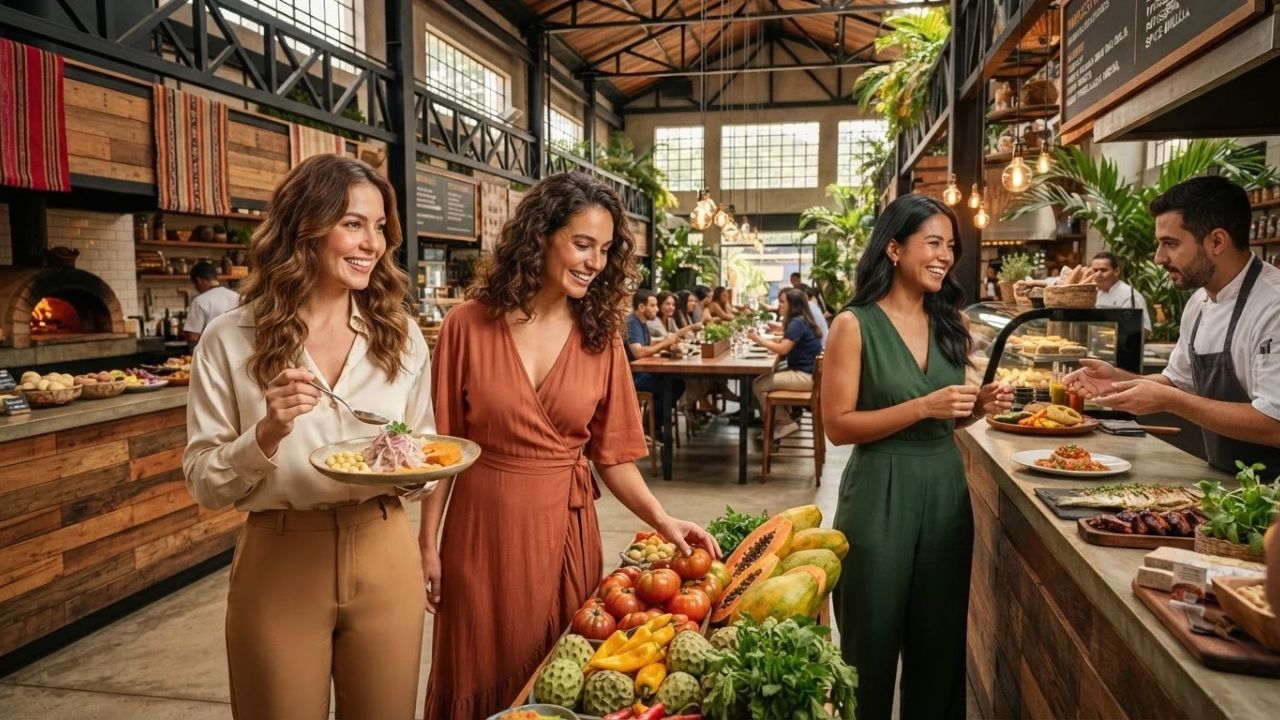
Image generated by AI
Food and drink now register an extraordinary 8.2 out of 10 in importance when travelers select their global destinations, with 66% of leisure travelers reporting that culinary culture matters significantly more to their journeys than it did five years ago. Across Latin America, dining has abandoned its historical role as a supporting amenity to become the central anchor of continental exploration. From São Paulo's massive R$25.4 billion tourism engine to Bogotá, where international visitors allocate 24.2% of their total trip expenditures purely to food and beverage, the subcontinent is transforming culinary heritage into its most competitive economic asset.
From Plates to Pipelines: How Dining Dictates Latin American Travel Architecture
The international journey across the Americas is increasingly mapped around breakfast tables, bustling market halls, and celebrated chef counters. According to benchmark findings from the World Food Travel Association's 2026 Food Travel Monitor—updating comparative surveys from 2016 and 2020—gastronomic experiences are now treated as foundational cultural drivers rather than evening afterthoughts. Latin American metropolises are capitalizing on this behavioral shift by aligning fine dining, regional farm networks, street stalls, and specialty accommodations into cohesive municipal tourism ecosystems.
Mexico illustrates the immense scale achievable when culinary prestige integrates with national travel infrastructure. The country welcomed 98.2 million international visitors in 2025, a 13.6% expansion over 2024, generating US$34.992 billion in foreign visitor receipts. Within that total, 47.8 million foreign travelers stayed overnight, marking a 6.1% increase. This commercial volume is matched by formal global prestige: the 2025 MICHELIN Guide Mexico features 181 recommended dining destinations across Mexico City, Oaxaca, Baja California, Baja California Sur, Quintana Roo, and Nuevo León, encompassing two two-star establishments, 21 one-star dining rooms, 50 Bib Gourmand picks, and eight Green Stars awarded for environmental stewardship.
In the southern state of Oaxaca, culinary identity translates directly into regional resilience. Oaxaca welcomed 6.289 million tourists in 2025, an increase of 3.71% year over year, generating MXN 23.348 billion in local revenue while state airports processed over 3.72 million passengers. Rather than relying on corporate hospitality towers, Oaxaca’s pull relies on ancestral heritage: smoke-filled market aisles, single-village mezcal distillers, and complex moles crafted from indigenous chilies.
Brazil counters with the formidable urban scale of São Paulo. South America’s largest metropolis received 47.2 million tourists in 2025, surging 25% beyond the 37.7 million visitors logged in 2024. International arrivals reached 2.5 million travelers, fueling R$25.4 billion in tourism-related earnings. São Paulo’s restaurant hierarchy is validated by the 2025 MICHELIN Guide Rio de Janeiro & São Paulo, which highlights 149 establishments, including five retaining two stars, four newly awarded single stars, and five fresh Bib Gourmand entries. Yet the city’s true advantage lies in its demographic breadth, seamlessly blending traditional Paulistano pizzerias, northeastern Bahian seafood kettles, and the world’s largest diaspora of Japanese dining outside Japan.
In Colombia, Bogotá has converted dining directly into measurable economic yield. Municipal tourism records show that 69.5% of international arrivals cite local gastronomy among the absolute highlights of their stay. The financial data underscores this reality: foreign visitors averaged COP 2,284,451 per trip and COP 415,355 per day, with food and drink accounting for 24.2% of total international visitor expenditure—closely mirrored by domestic travelers, who directed 23.9% of their budgets to dining. Of the 1,913,648 international travelers entering the capital during the latest reporting period (up 2.6% over 2024), fully 56% arrived specifically for leisure, attracted by high-altitude Andean gastronomy, coffee culture, and innovative restaurants recognized on Colombia Travel routes.
Lima represents the hemisphere’s most mature national culinary strategy. The Peruvian capital demonstrates how food identity can anchor an entire nation’s global branding. The Perú Mucho Gusto Lima 2025 festival drew more than 270,000 visitors over four days, obliterating its original 180,000-person projection and convening 187 exhibitors representing all 25 regions of Peru alongside 5,300 foreign visitors. This dynamic ecosystem links dockside cevicherías in Chorrillos with Chinese-Peruvian chifas, Japanese Nikkei fusion counters, and research-driven dining rooms celebrating coastal, Andean, and Amazonian ecosystems promoted by PromPerú.
Further south, Argentina pairs metropolitan kitchens with rural viticulture. The 2025 MICHELIN Guide Argentina includes 80 recognized properties spanning Buenos Aires and Mendoza, featuring one two-star table, nine one-star establishments, 10 Bib Gourmands, 60 recommended venues, and 10 Green Stars. Buenos Aires houses over 7,000 food-service establishments employing 75,000 workers, with city tourism authorities reporting that gastronomy serves as the primary travel motivation for one in four domestic travelers and one in three international arrivals. In Mendoza, high-altitude vineyards and winery lodges create seamless itineraries linking vineyard accommodations with cellar door dining.
What Makes Each Culinary Capital Distinct in Character and Craft
The culinary personalities of these capitals reflect deep regional geography and cultural migration.
- Mexico City and Oaxaca: Anchored in ancient Mesoamerican nixtamalization, wild mountain herbs, and smoke-roasted agave spirits recognized on the UNESCO Intangible Cultural Heritage registers. While Mexico City delivers experimental tasting menus in Polanco and Roma Norte, Oaxaca preserves ancestral wood-fired comals and village culinary secrets.
- São Paulo: Defined by immigrant heritage and culinary innovation. In Liberdade, multi-generational noodle bars sit beside third-generation yakitori counters; in Bixiga, neighborhood cantinas serve hearty bowls of fresh pasta; while upscale kitchens in Jardins reinterpret native Amazonian manioc and tucupi broths.
- Bogotá: Andean comfort meets biodiversity. The city’s identity is anchored by hearty soups like ajiaco santafereño simmered with three native potato varieties, alongside progressive kitchens in Chapinero working directly with highland micro-farmers to source forgotten tubers, edible Andean blossoms, and Amazonian fruits.
- Lima: Ocean-to-table precision fueled by the nutrient-dense Humboldt Current. The city’s food culture shifts effortlessly from morning cevicherías serving fresh sea bass cured in tart lime juice to historic Criollo tabernas and world-class Nikkei counters celebrating cross-Pacific migration.
- Buenos Aires and Mendoza: A tribute to open-flame cooking, grass-fed beef cuts, and European bistro heritage. Buenos Aires thrives on historic corner bodegones serving breaded milanesas, while Mendoza anchors the travel journey in vineyard lunches beneath the snowcapped Andes.
Visitor Insider Tips: Navigating Regional Tables and Daily Rhythms
- Follow Daily Regional Dining Clocks: In Lima, eat ceviche exclusively at lunch between 12:00 PM and 3:30 PM, when day boats deliver fresh morning catches; locals rarely consume raw fish after dark. In Buenos Aires, arriving at a parrilla before 9:00 PM guarantees an empty dining room, as dinner service peaks after 10:00 PM. In São Paulo, plan lunch for 12:00 PM sharp or after 2:30 PM to bypass heavy weekday corporate queues in Itaim Bibi and Pinheiros.
- Neighborhood Bases for Food Lovers: In Bogotá, base yourself in Chapinero Alto or Quinta Camacho rather than downtown to stay steps from independent bakeries, craft coffee houses, and innovative bistros. In São Paulo, choose Pinheiros or Vila Madalena for walkable craft beer bars and contemporary dining. In Lima, base yourself in Barranco for artisanal coffee, natural wine bars, and neighborhood tabernas.
- Market Navigation and Etiquette: When visiting Mexico City's Mercado de San Juan or Mercado Medellín, sample seasonal tropical fruits and prepared tostadas from busy counters with continuous foot traffic. In São Paulo’s Mercado Municipal, order a hot mortadella sandwich on the upper mezzanine to avoid aggressive produce sellers on the ground floor. In Oaxaca, visit Mercado 20 de Noviembre's Pasillo de Humo (Smoke Aisle) to purchase raw tasajo and cecina directly from butchers before having it grilled on live coals before your eyes.
- Tipping Customs and Card Payments: In Colombia and Peru, a 10% gratuity (la propina voluntaria) is standard and usually added to the bill with your prior consent. In Brazil, a 10% service fee (taxa de serviço) is almost universally included on the final check. In Argentina, carry cash in Argentine pesos for small neighborhood bodegones, although digital cards are standard in established restaurants.
Agrarian Biodiversity, Heirloom Crops, and Sustainable Kitchens
The rise of culinary travel has ignited vital conversations regarding environmental sustainability and cultural preservation. The commercialization of traditional dishes risks pricing local residents out of historical market stalls and commodifying sacred food traditions. However, visionary chefs across Latin America are actively redirecting tourist capital toward regenerative agriculture and indigenous smallholders.
In Mexico and Peru, leading kitchens have established direct purchasing contracts with indigenous farming cooperatives, protecting native heirloom corn landraces and over 3,000 distinct Andean potato varieties from industrial monoculture. The awarding of Michelin Green Stars—eight across Mexico and 10 throughout Argentina—highlights a critical movement toward zero-waste kitchens, closed-loop composting, and organic vineyard cultivation in dry river valleys. By prioritizing seasonal produce, respecting coastal fishery breeding bans, and compensating rural foraging communities fairly, culinary tourism is evolving from simple luxury consumption into a vital guardian of continental biodiversity.
FAQ: Dining Across Latin America's Culinary Capitals 2026
How far in advance should I reserve top Michelin-starred tables in Mexico City or São Paulo?
Book reservations two to three months in advance through official online platforms. Tables at flagship venues fill rapidly, though lunch seatings or bar counters frequently offer flexible weekday availability.
Is it safe to eat street food in major Latin American culinary centers?
Yes, provided you choose vendors with high local turnover, visible continuous cooking on hot grills, clean prep surfaces, and separate staff handling cash and food.
What is the easiest way to explore Lima's ceviche scene independently?
Head to coastal neighborhoods like Miraflores, Barranco, or Chorrillos between noon and 2:30 PM. Look for neighborhood cevicherías filled with local families, and order the catch of the day (pesca del día).
Can vegetarian travelers find satisfying options in meat-centric destinations like Buenos Aires?
Yes. Modern culinary hubs across Palermo and Recoleta feature dedicated plant-based dining rooms, while traditional bodegones serve grilled provolone cheese (provoleta), vegetable empanadas, and fresh house pastas.
In Latin America, the true heart of a city is never framed inside a museum glass, but passed across a wooden table seasoned with ancient memory, wild chili, and ocean salt.
Related Travel Guides
- Brazil and Mexico Reshape Americas Tourism as Inbound Surges, Aviation Milestones, and Domestic Spending Redefine Travel Power in 2026
- Cartagena and Florianópolis Lead the Americas' Fastest-Growing Tourist Cities as Secondary Metropoles Reshape Regional Travel in 2026
- São Paulo, Mexico City, and Toronto Drive High-Value Urban Tourism Spending Across the Americas in 2026
Disclaimer
This article is for informational and educational purposes only. It does not constitute legal, financial, or professional advice. While we strive to provide accurate and up-to-date information, travel policies, regulations, and conditions change rapidly. Always verify information with official sources before making travel decisions. Nomad Lawyer makes no representations about the accuracy, reliability, completeness, or suitability of the information provided. Readers should consult qualified professionals for advice specific to their circumstances. The views expressed in this article are those of the author and do not necessarily reflect the views of Nomad Lawyer.
Raushan Kumar
Founder & Lead Developer
Full-stack developer with 11+ years of experience and a passionate traveller. Raushan built Nomad Lawyer from the ground up with a vision to create the best travel and law experience on the web.
Learn more about our team →