
Chihuahua City Mexico Uncovers a Hidden Heritage Rush Beyond the Copper Canyon
Chihuahua City Mexico Uncovers a Hidden Heritage Rush Beyond the Copper Canyon

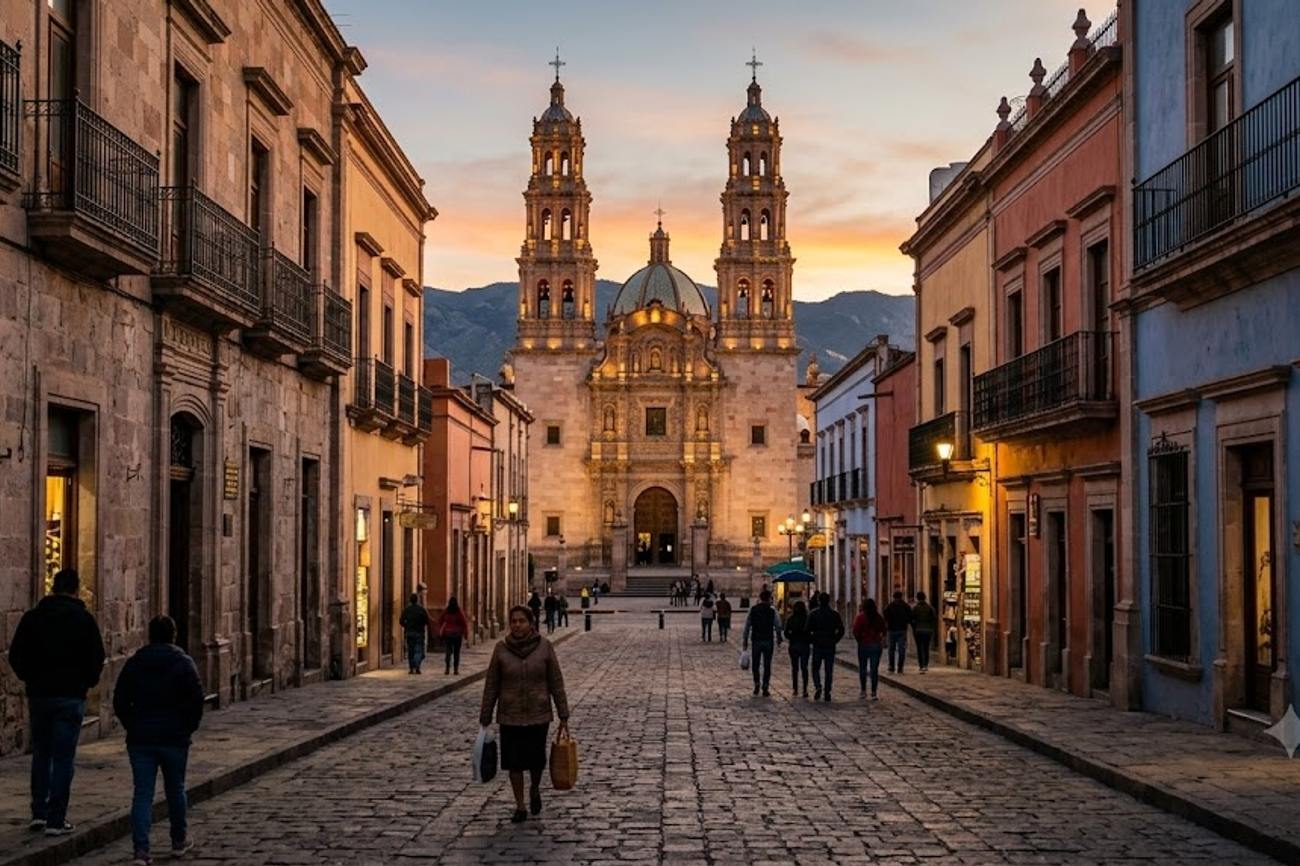
Image generated by AI
[Chihuahua City, October 2023] — Chihuahua City is repositioning itself as a primary cultural destination rather than a mere transit hub for travelers heading toward the Copper Canyon. The capital of Mexico's largest state by land area is leveraging its deep ties to the Mexican Revolution and the struggle for independence to attract high-value cultural tourists and history enthusiasts.
The city serves as a strategic gateway for the northern region, offering a concentrated hub of architectural landmarks, revolutionary history, and a distinct culinary identity. By promoting a slower pace of visitation, local authorities aim to transition the city from a one-night stopover into a multi-day urban destination.
The Historical Catalyst for Tourism
The city's appeal is rooted in its role as a living archive of the Mexican state. Unlike the coastal resorts common in international travel itineraries, Chihuahua City centers its identity on the political and social upheavals that defined the nation.
The Secretaría de Turismo (SECTUR) framework emphasizes the importance of regional capitals in diversifying the tourist experience. In Chihuahua City, this is manifested through the preservation of sites linked to the fight for independence and the subsequent Mexican Revolution. The city is not merely a point on a map but a narrative center where the transition from colonial rule to a modern republic is physically visible in the urban layout and architecture.
Key Sites and Market Impact
The city's tourism infrastructure is built around several high-impact cultural anchors that target specific traveler demographics:
- Museo Casa Chihuahua: Formerly the Federal Palace, this site houses the prison cell of Miguel Hidalgo, the father of Mexican independence. This attracts heritage travelers and educational groups.
- Pancho Villa Landmarks: The legacy of Francisco "Pancho" Villa provides a "revolutionary edge" to the city, appealing to those interested in military history and political struggle.
- Quinta Gameros: An Art Nouveau mansion that serves as a university cultural center. This site targets architecture lovers and photographers, providing a refined contrast to the rugged desert surroundings.
- The Historic Centre: A walkable district containing the cathedral and public squares, designed to support local SMEs, cafes, and independent guides.
Practical Traveler Advisory and Strategic Insights
For the modern nomad or tourist, the shift in Chihuahua City’s positioning changes the logistics of a northern Mexico itinerary.
Stop treating the city as a layover. The current infrastructure supports a minimum two-night stay to properly engage with the historic center. Travelers who rush through to the mountains miss the primary cultural context of the region.
Logistical Planning: The city operates as a strategic airport hub. Travelers should utilize the Chihuahua International Airport as a primary entry point before coordinating rail or road transport to the Barrancas del Cobre (Copper Canyon).
Culinary Expectations: Visitors should expect a departure from coastal Mexican cuisine. The local diet is dictated by ranching and desert farming. Key staples include flour tortillas, carne seca, and pecans. A critical cultural experience is the sampling of Sotol, a regional spirit distilled from a desert plant, which serves as a marker of northern identity.
Strategic Integration with the Copper Canyon
While the city is a destination in its own right, it remains the most logical base for expeditions into the wider state. The state tourism authority identifies the capital as one of three strategic airport locations essential for accessing the interior.
Chihuahua City, Mexico, is a treasure trove of history and culture, with its rich heritage waiting to be uncovered by tourists. To plan a trip to this fascinating city, visitors can check the official Mexican Ministry of Tourism website for information on tourist attractions, events, and travel guides. From the stunning natural beauty of the Copper Canyon to the historic downtown area, Chihuahua City has something to offer for every kind of traveler.
However, there is a critical distinction between the urban experience and the mountain journey. Travel to Creel, Batopilas, and the Copper Canyon requires significant additional planning and transport time. The recommended sequence is to establish a base in Chihuahua City for 48 hours to acclimate and absorb the regional history before proceeding into the mountains. This phased approach reduces travel fatigue and provides the necessary historical context to appreciate the geography of the Sierra Tarahumara.
FAQ: Visiting Chihuahua City 2023
Is Chihuahua City just a stop for the Copper Canyon? No. While it is a gateway, the city offers significant independent value through its revolutionary history, Art Nouveau architecture at Quinta Gameros, and a unique northern culinary scene that warrants at least a two-day visit.
What is the best way to explore the city center? The historic center is highly walkable. Visitors can easily move between the cathedral, the Museo Casa Chihuahua, and various public squares on foot, allowing for a slower, more detailed exploration of the city's stonework and galleries.
How does the food differ from other parts of Mexico? The cuisine reflects the northern ranching culture. Expect more flour tortillas than corn, a prevalence of beef and dried meats (carne seca), and regional specialties like pecans, apples, and the desert-derived spirit known as Sotol.
How do I get from the city to the Copper Canyon? Travelers typically arrive via the international airport and then utilize regional rail links or organized transport to reach Creel and the Barrancas del Cobre. This transition requires separate planning and additional travel days.
A city forged in revolution, now inviting the world to slow down.
Related Travel Guides
Disclaimer
This article is for informational and educational purposes only. It does not constitute legal, financial, or professional advice. While we strive to provide accurate and up-to-date information, travel policies, regulations, and conditions change rapidly. Always verify information with official sources before making travel decisions. Nomad Lawyer makes no representations about the accuracy, reliability, completeness, or suitability of the information provided. Readers should consult qualified professionals for advice specific to their circumstances. The views expressed in this article are those of the author and do not necessarily reflect the views of Nomad Lawyer.
Raushan Kumar
Founder & Lead Developer
Full-stack developer with 11+ years of experience and a passionate traveller. Raushan built Nomad Lawyer from the ground up with a vision to create the best travel and law experience on the web.
Learn more about our team →