
Porto Gastronomy Update: Regional Integration and New Culinary Hubs
Porto has solidified its position as a premier European food destination by integrating Atlantic seafood and Douro Valley viticulture into a diverse dining ec
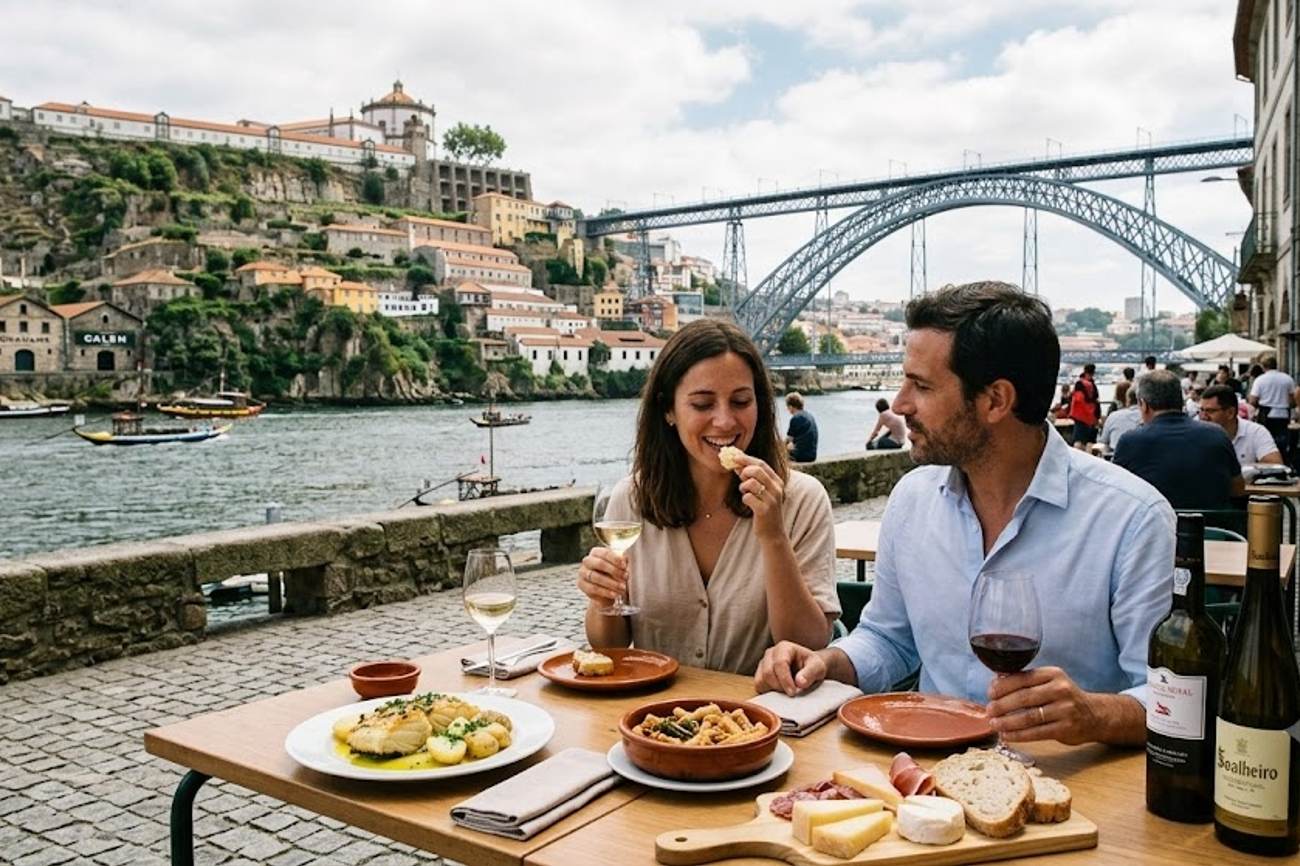
Image generated by AI
Porto’s culinary infrastructure is currently undergoing a transition, moving from traditional sightseeing-based dining to a sophisticated, destination-driven gastronomic model. The city’s identity is defined by its strategic position between the Douro River and the Atlantic coast, allowing for a seamless integration of northern Portuguese produce with contemporary global influences from Brazil, Japan, and France.
The current dining landscape is distributed across five primary hubs: Central Porto, Foz, Bonfim, Boavista, and Vila Nova de Gaia. This decentralization encourages travelers to move beyond the historic center to experience specialized culinary niches, such as the Brazilian-influenced contemporary cuisine in Foz de Douro or the luxury gastronomic offerings in Vila Nova de Gaia.
Transit Schedule & Route Specifications
For travelers planning a culinary itinerary, the following establishments represent the current gold standard of Porto's dining scene.
| Restaurant | Area | Primary Appeal | Booking Requirement |
|---|---|---|---|
| Cozinha das Flores | São Bento | Contemporary Portuguese / Open-fire | Recommended |
| Antiqvvm | Central Porto | Garden dining / Douro views | Essential |
| Euskalduna Studio | Bolhão | Immersive chef-led / Counter seating | Essential |
| The Yeatman | Vila Nova de Gaia | Luxury / River views | Essential |
| Casa de Chá da Boa Nova | Leça da Palmeira | Atlantic seafood / Coastal architecture | Essential |
| Éon | Boavista | Food and wine pairing | Essential |
| Apega | Bonfim | Creative / Accessible pricing | Recommended |
| Yakuza by Olivier | Baixa | Japanese-Mediterranean fusion | Recommended |
| In Diferente | Foz de Douro | Brazilian-influenced contemporary | Essential |
| Le Monument | Baixa | Regional Portuguese diversity | Essential |
| Matriarca | Baixa | Local wine discovery | Optional |
Traveler Logistics Guide
From a ground-level perspective, navigating Porto for a food-centric trip requires specific planning regarding transit and timing to avoid congestion in the Baixa and Ribeira districts.
1. Navigating the Coastal Outskirts To reach Casa de Chá da Boa Nova in Leça da Palmeira, avoid relying solely on central taxis during peak hours. Use the Metro do Porto (Line B) toward Porto Airport and transfer to local buses or a ride-share service for the final leg to the coast. Allocate at least 45–60 minutes for one-way transit from the city center.
2. Crossing to Vila Nova de Gaia For those dining at The Yeatman, the most efficient route is via the Luís I Bridge. However, the steep incline to the hotel/restaurant requires a cable car or a pre-booked shuttle. If walking, ensure you allow 20 minutes for the ascent from the riverfront.
3. Booking and Timing "Essential" bookings in the table above typically require reservations 2–4 weeks in advance, particularly for Euskalduna Studio due to its limited counter seating. For "Recommended" spots, a 48-hour window is usually sufficient.
4. Digital Transit Tips Utilize the Andante card for all metro and bus movements. For those visiting multiple districts (Bonfim to Foz), a Z2 or Z3 zone pass is necessary to avoid ticket penalties during inspections.
Infrastructure Impact Assessment
The shift toward "experience-led" dining—exemplified by the immersive approach of Euskalduna Studio and the architectural integration of Casa de Chá da Boa Nova—is driving tourism growth into the periphery of the city. This redistribution reduces the pressure on the historic center and stimulates economic growth in areas like Bonfim and Boavista. Furthermore, the integration of regional diversity at Le Monument Restaurant serves as a gateway for tourists to explore the broader northern Portuguese interior, increasing the viability of regional supply chains for local farmers and fishermen.
Related Travel Guides
Disclaimer
This article is for informational and educational purposes only. It does not constitute legal, financial, or professional advice. While we strive to provide accurate and up-to-date information, travel policies, regulations, and conditions change rapidly. Always verify information with official sources before making travel decisions. Nomad Lawyer makes no representations about the accuracy, reliability, completeness, or suitability of the information provided. Readers should consult qualified professionals for advice specific to their circumstances. The views expressed in this article are those of the author and do not necessarily reflect the views of Nomad Lawyer.