
Caribbean Tourism Organization Unveils Proactive Resilience Strategy at 2026 Toronto Symposium
The Caribbean Tourism Organization is shifting from reactive crisis management to a proactive resilience framework to protect regional economies against climate and economic volatility.

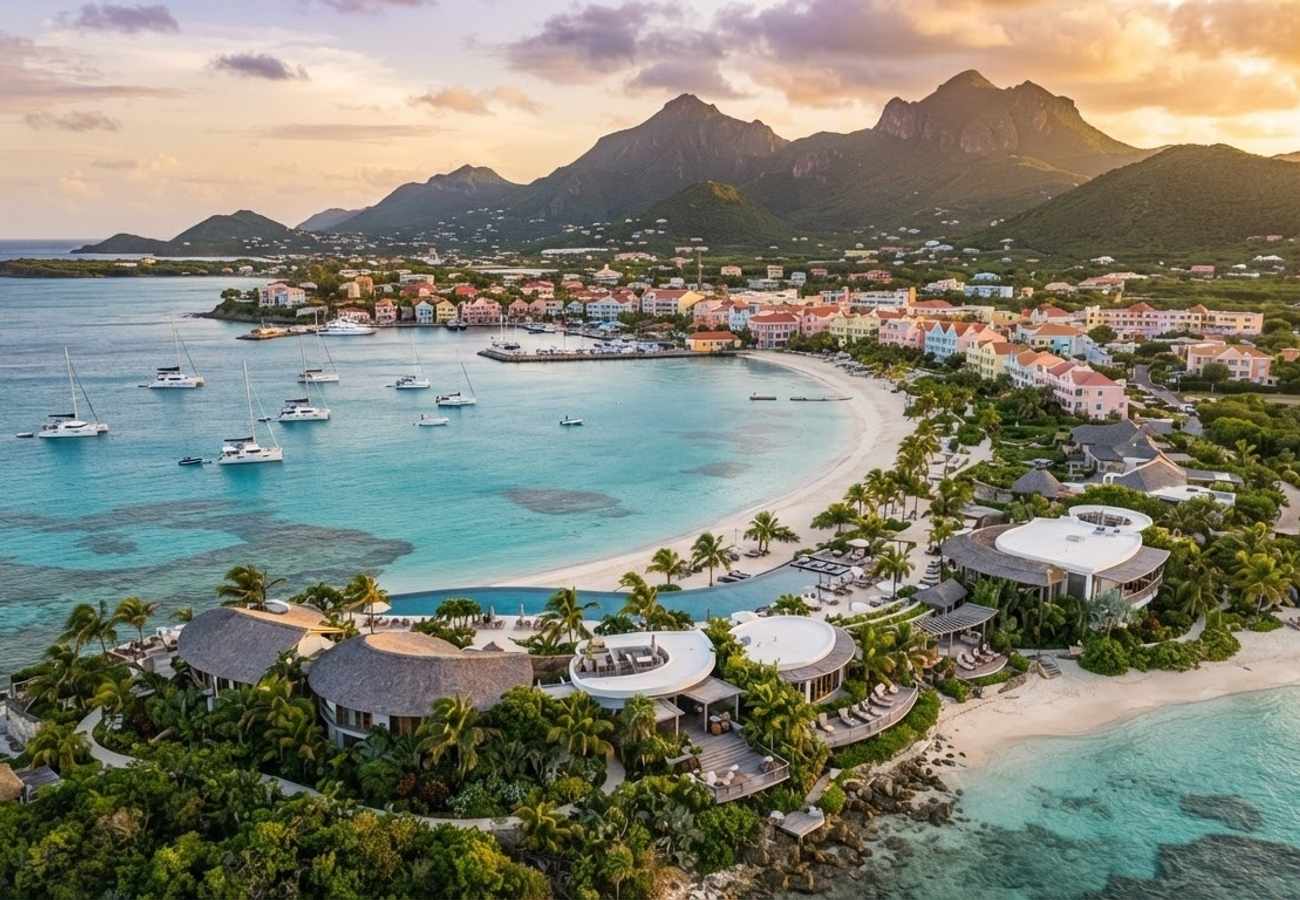
Image generated by AI
Toronto, August 5, 2026 — Caribbean tourism authorities are fundamentally restructuring their operational frameworks to prioritize systemic resilience over traditional emergency response. During the Canadian-Caribbean Tourism Resilience Symposium in Toronto, leadership from the Caribbean Tourism Organization (CTO) asserted that the region's economic survival depends on integrating crisis preparedness into daily policy rather than treating it as a post-disaster reaction.
The two-day summit, themed “Co-Designing the Next Decade,” was organized through a partnership between the CTO, George Brown Polytechnic, and the Global Tourism Resilience and Crisis Management Centre. The gathering served as a strategic hub for industry experts to engineer systems that maintain regional competitiveness amidst a volatile global travel market.
Shifting from Reactive Recovery to Institutional Resilience
Dona Regis-Prosper, Secretary-General and CEO of the CTO, challenged the conventional approach to disaster management during the symposium's opening session. She argued that resilience must be a foundational element of tourism institutions and community planning, not merely a toolkit deployed after a catastrophe.
Drawing on direct operational experience from the management of Tortola Pier Park in the British Virgin Islands following the devastation of Hurricane Irma, Regis-Prosper noted a critical distinction between physical and human recovery. While infrastructure and buildings can be reconstructed with capital, the speed of a destination's return to viability is dictated by the adaptability, confidence, and specialized knowledge of its people.
For the Caribbean, where extreme weather patterns and economic shifts are constant threats, this shift in philosophy means moving toward continuous investment in leadership training, technological integration, and workforce skill-building.
Prioritizing Human Capital in Crisis Frameworks
A central pillar of the discussions in Toronto was the necessity of placing local populations at the heart of resilience strategies. Because the visitor experience is delivered by a network of local entrepreneurs, employees, and community members, their ability to withstand and adapt to shocks is the industry's primary safeguard.
The region has faced a compounding series of disruptions, ranging from severe hurricanes to global health crises and macroeconomic instability. These events have demonstrated that top-down recovery models are often insufficient. Instead, the symposium emphasized community-based approaches that empower the local workforce to innovate during periods of uncertainty.
By focusing on education and leadership development, the CTO aims to transform the workforce from passive recipients of aid into active managers of regional recovery.
The Reimagine Plan and Regional Transformation
The symposium highlighted the CTO’s "Reimagine Plan" as the primary vehicle for this systemic overhaul. This initiative is designed to move Caribbean destinations away from short-term "band-aid" fixes and toward a comprehensive transformation of the tourism product.
The Reimagine Plan focuses on several key areas:
- Strategic Innovation: Adapting to the evolving preferences of the modern traveler.
- Resource Protection: Balancing economic growth with the preservation of cultural and natural assets.
- Inter-Agency Collaboration: Creating a unified front between governments, private sector stakeholders, and international partners.
The goal is to create a tourism model that does not simply "bounce back" to its previous state after a crisis but "bounces forward" into a more sustainable and competitive version of itself.
Strengthening the Tourism Supply Side Committee
To address the logistical gaps in the region's tourism infrastructure, the symposium spotlighted the newly established Tourism Supply Side Committee. Under the leadership of Jamaica’s Minister of Tourism, Edmund Bartlett, this committee is tasked with optimizing the "back end" of the tourism experience.
Industry observers note that attracting tourists is only half the battle; the ability to retain them depends on the quality of the supply chain. The committee is focusing on:
- Improving regional coordination of services.
- Upgrading critical infrastructure to meet international standards.
- Developing a more robust and specialized workforce.
- Enhancing the overall competitiveness of Caribbean destinations against global rivals.
Collaborative Synergy at the Toronto Symposium
The choice of Toronto as a venue for the Canadian–Caribbean Tourism Resilience Symposium underscores the importance of international academic and professional partnerships. By connecting Caribbean policymakers with researchers and educators from George Brown Polytechnic, the event facilitated a cross-pollination of ideas regarding climate planning and technological integration.
The "Co-Designing the Next Decade" theme suggests that the future of Caribbean travel will not be decided in isolation. Instead, it will be the result of integrated efforts across the technology, education, and infrastructure sectors to build a flexible framework capable of absorbing future shocks.
The Strategic Imperative of Innovation and Leadership
As the global travel market shifts toward authenticity and sustainability, Caribbean destinations are under pressure to modernize without losing their cultural identity. The symposium concluded that leadership is the most critical variable in this equation. The ability of governments to foster public-private partnerships will determine whether the region remains a top-tier global destination.
The transition from a reactive posture to a proactive resilience strategy marks a turning point for the region. By institutionalizing change and empowering the local workforce, the Caribbean is attempting to decouple its economic stability from the unpredictability of natural disasters.
The shift toward proactive resilience is no longer a luxury for the Caribbean; it is a prerequisite for economic survival in an era of climate volatility.
Related Travel Guides
Disclaimer
This article is for informational and educational purposes only. It does not constitute legal, financial, or professional advice. While we strive to provide accurate and up-to-date information, travel policies, regulations, and conditions change rapidly. Always verify information with official sources before making travel decisions. Nomad Lawyer makes no representations about the accuracy, reliability, completeness, or suitability of the information provided. Readers should consult qualified professionals for advice specific to their circumstances. The views expressed in this article are those of the author and do not necessarily reflect the views of Nomad Lawyer.
Raushan Kumar
Founder & Lead Developer
Full-stack developer with 11+ years of experience and a passionate traveller. Raushan built Nomad Lawyer from the ground up with a vision to create the best travel and law experience on the web.
Learn more about our team →