
China Travel Event 2026: 15th Five-Year Plan Elevates Luxury Hospitality
China's 15th Five-Year Plan reshapes luxury hospitality and bespoke tourism through 2030. The strategic initiative targets high-end travel experiences, positioning China as a premier global destination for affluent travelers seeking cultural immersion.

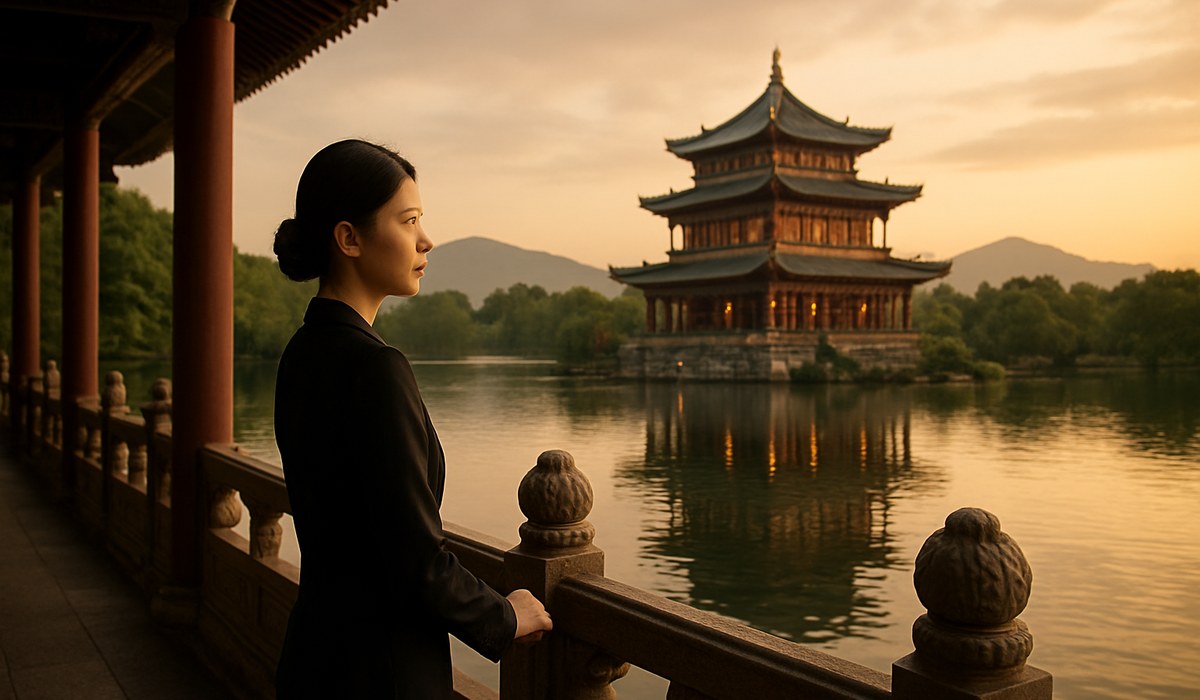
Image generated by AI
China's Bold Vision: Redefining Luxury Travel Through Strategic Planning
China's 15th Five-Year Plan introduces a comprehensive framework transforming the nation into a world-class luxury hospitality destination. This strategic initiative, spanning through 2030, prioritizes high-end accommodations, bespoke tourism experiences, and cultural exchange programs. The China travel event landscape shifts dramatically as government policies align with international hospitality standards. Five major pillars guide this transformation: property development, staff training, service innovation, sustainability integration, and cultural authenticity. Tourism officials aim to capture high-value international visitors while elevating domestic travel expectations.
Investment in Premium Hotel Development Across Major Cities
Premium hotel development dominates China's hospitality expansion strategy for the five-year planning cycle. Shanghai, Beijing, Chengdu, and Hangzhou lead new luxury property launches. Major international brands—including Four Seasons, Mandarin Oriental, and Rosewood—commit significant capital to Chinese markets. These flagship properties feature suites exceeding 100 square meters, Michelin-starred restaurants, and spa facilities spanning entire floors. The China travel event calendar reflects this infrastructure boom, with luxury property openings scheduled quarterly through 2030.
Investment figures demonstrate commitment: over $12 billion allocated to hospitality infrastructure improvements. Beijing's hospitality sector attracts top-tier operators seeking premium positioning. Historic cultural districts receive particular attention, blending heritage preservation with modern comfort standards.
What Guests Get
- All-suite accommodations with private butler service
- Multi-cuisine fine dining led by internationally trained chefs
- Bespoke itineraries combining cultural sites with wellness experiences
- Personalized concierge services available 24/7 in multiple languages
- Access to exclusive private shopping and cultural events
- Wellness programs integrating traditional Chinese medicine practices
- Complimentary airport transfers via luxury vehicle services
- Curated private tours of museums, galleries, and heritage sites
- Membership in global luxury travel loyalty networks
- Priority restaurant reservations at acclaimed establishments
Cultural Immersion as the Central Tourism Differentiator
Bespoke tourism experiences now prioritize authentic cultural engagement rather than standard sightseeing. The five-year plan mandates that luxury properties develop partnerships with local artisans, historians, and cultural institutions. Private calligraphy workshops, tea ceremonies with master practitioners, and exclusive temple visits replace generic tour offerings. This China travel event positioning attracts culturally-conscious affluent travelers seeking meaningful connections.
Travel advisors report increasing demand for experiential packages. Guests participate in silk-weaving traditions in Suzhou, martial arts training in Shaolin, and contemporary art collaborations in Shanghai. Expedia's luxury offerings reflect this market shift toward immersive programming. Cultural sensitivity training becomes mandatory for all hospitality staff, ensuring respectful and authentic interactions.
Sustainability Integrated Into Luxury Operations
Environmental stewardship becomes inseparable from premium hospitality under the 15th Five-Year Plan. Water conservation systems reduce consumption by 40% in major hotels. Renewable energy powers 60% of operations by 2028. Waste reduction programs achieve zero-landfill status at flagship properties. The plan allocates significant resources to green building certifications and sustainable sourcing.
Luxury travelers increasingly demand eco-conscious accommodations. China travel event organizers highlight properties meeting international sustainability benchmarks. Organic menus feature locally-sourced ingredients, reducing carbon footprints while supporting rural communities. Guests enjoy farm-to-table dining experiences authentically reflecting regional cuisines. Transportation options include electric vehicle fleets and organized rail alternatives to flights.
Regional Meeting and Event Infrastructure Expansion
Business travel and large-scale meetings drive significant portions of China travel event revenue. Convention centers in Chengdu, Hangzhou, and Wuhan undergo complete renovations. These venues accommodate 5,000+ attendees with simultaneous translation capabilities in ten languages. State-of-the-art technology enables hybrid conference formats combining in-person and virtual participation.
Five-year planning allocates resources for dedicated event hotels adjacent to convention facilities. These properties feature flexible meeting spaces, boardroom facilities, and dedicated event coordination teams. Professional event management becomes a specialization, with staff completing international hospitality certifications. Industry conferences increasingly select Chinese venues, reflecting improved infrastructure and service quality.
Pricing, Packages, and Seasonal Availability
Luxury accommodation pricing reflects premium positioning while remaining competitive globally. Nightly rates range from $400 to $2,500 depending on location and season. Annual packages offer 20-35% discounts for extended stays exceeding 30 days. Peak travel seasons (October-November and April-May) command premium pricing, while winter months (January-February) present value opportunities.
Customized packages integrate flights, accommodations, meals, and activities. Five-year pricing strategies balance revenue optimization with market accessibility. Group bookings (10+ rooms) receive 15-25% reductions. Corporate partnerships establish preferred rates for frequent travelers. Early-bird promotions reward advance bookings made six months prior to travel.
Key Data on China's Hospitality Transformation
| Metric | 2026 Baseline | 2030 Target | Growth Rate |
|---|---|---|---|
| Five-star properties added | 45 | 120 | 166% |
| International hotel brands entering market | 12 | 28 | 133% |
| Staff hospitality certifications issued | 8,500 | 35,000 | 312% |
| Bespoke tourism operators licensed | 215 | 680 | 216% |
| Sustainable hotel certifications achieved | 38 | 180 | 374% |
| Average luxury nightly rates (USD) | $450 | $580 | 29% |
What This Means for Travelers
The China travel event transformation creates five concrete advantages for luxury travelers:
-
Enhanced Service Standards: International certification requirements guarantee consistent high-quality service across all five-star properties. Staff training investments ensure professional hospitality interactions matching global expectations.
-
Authentic Cultural Access: Bespoke tourism partnerships provide exclusive experiences unavailable through standard tour operators. Private cultural sessions with master practitioners offer genuine engagement with Chinese traditions.
-
Sustainability Confidence: Green hospitality certifications verify environmental practices. Travelers can book with assurance their stay supports responsible tourism practices.
-
Superior Infrastructure: Expanded convention facilities and dedicated event hotels accommodate large groups seamlessly. Meeting planners access world-class venues with advanced technology integration.
-
Competitive Pricing: Market expansion increases supply, moderating rates while improving quality. Five-year planning stabilizes pricing, reducing unexpected cost surges during peak seasons.
FAQ: China Travel Event Planning and Luxury Hospitality
What is the 15th Five-Year Plan's primary impact on China travel events? The plan systematically upgrades luxury hospitality infrastructure, adding 75 five-star properties by 2030. Strategic investments prioritize cultural immersion experiences and international service standards. This transformation positions China as a premier destination for affluent business and leisure travelers. Hospitality staff receive mandatory international certifications, ensuring consistent service excellence across all major cities.
Which cities offer the best luxury hospitality options under the Five-Year Plan? Shanghai, Beijing, Chengdu, and Hangzhou lead development initiatives with multiple flagship property openings. These cities host major China travel event infrastructure including renovated convention centers. Regional partnerships create seamless integration between luxury accommodations and cultural institutions. Suzhou, Nanjing, and Xi'an receive secondary investment, expanding options beyond tier-one metropolitan areas.
How does bespoke tourism differ from standard China travel event packages? Bespoke tourism creates personalized itineraries combining private cultural workshops, exclusive venue access, and customized dining experiences. Standard packages follow predetermined routes with scheduled group activities. Bespoke services employ dedicated concierges coordinating every detail according to traveler preferences. Pricing reflects customization complexity, ranging from $8,000-$50,000 for week-long experiences versus $2,000-$5,000 for standard offerings.
When should travelers book luxury accommodations to access best rates? Early booking (6+ months advance) qualifies reservations for early-bird discounts of 20-25%. Winter months (January-February 2027) present value opportunities as demand declines seasonally. Spring (April-May) and autumn (October-November) command premium pricing. Group bookings (10+ rooms) negotiate preferred rates year-round. Corporate partnerships establish locked rates regardless of seasonal fluctuation, providing predictable budgeting.
Related Travel Guides
- Mexico and Brazil Team Up with United States as Helitech Expo 2026 Sets to Bring Helicopter, Defence and Aviation Technology Leaders Together
- Kerala Tourism Expands Global Reach at Dubai Travel Meet
- Japan Aligns with Italy and Canada as November Travel 2026 Reveals Hidden Global Holiday Opportunities: All You Need to Know
Disclaimer
This article is for informational and educational purposes only. It does not constitute legal, financial, or professional advice. While we strive to provide accurate and up-to-date information, travel policies, regulations, and conditions change rapidly. Always verify information with official sources before making travel decisions. Nomad Lawyer makes no representations about the accuracy, reliability, completeness, or suitability of the information provided. Readers should consult qualified professionals for advice specific to their circumstances. The views expressed in this article are those of the author and do not necessarily reflect the views of Nomad Lawyer.
Preeti Gunjan
Contributor & Community Manager
A passionate traveller and community builder. Preeti helps grow the Nomad Lawyer community, fostering engagement and bringing the reader experience to life.
Learn more about our team →