
US Customs and Border Protection Increases Device Search Powers for Canadians in 2026
A recent ruling by the US Court of Appeals for the Second Circuit allows US Customs and Border Protection to search Canadian travelers' electronic devices without suspicion, sparking warnings against wiping data.

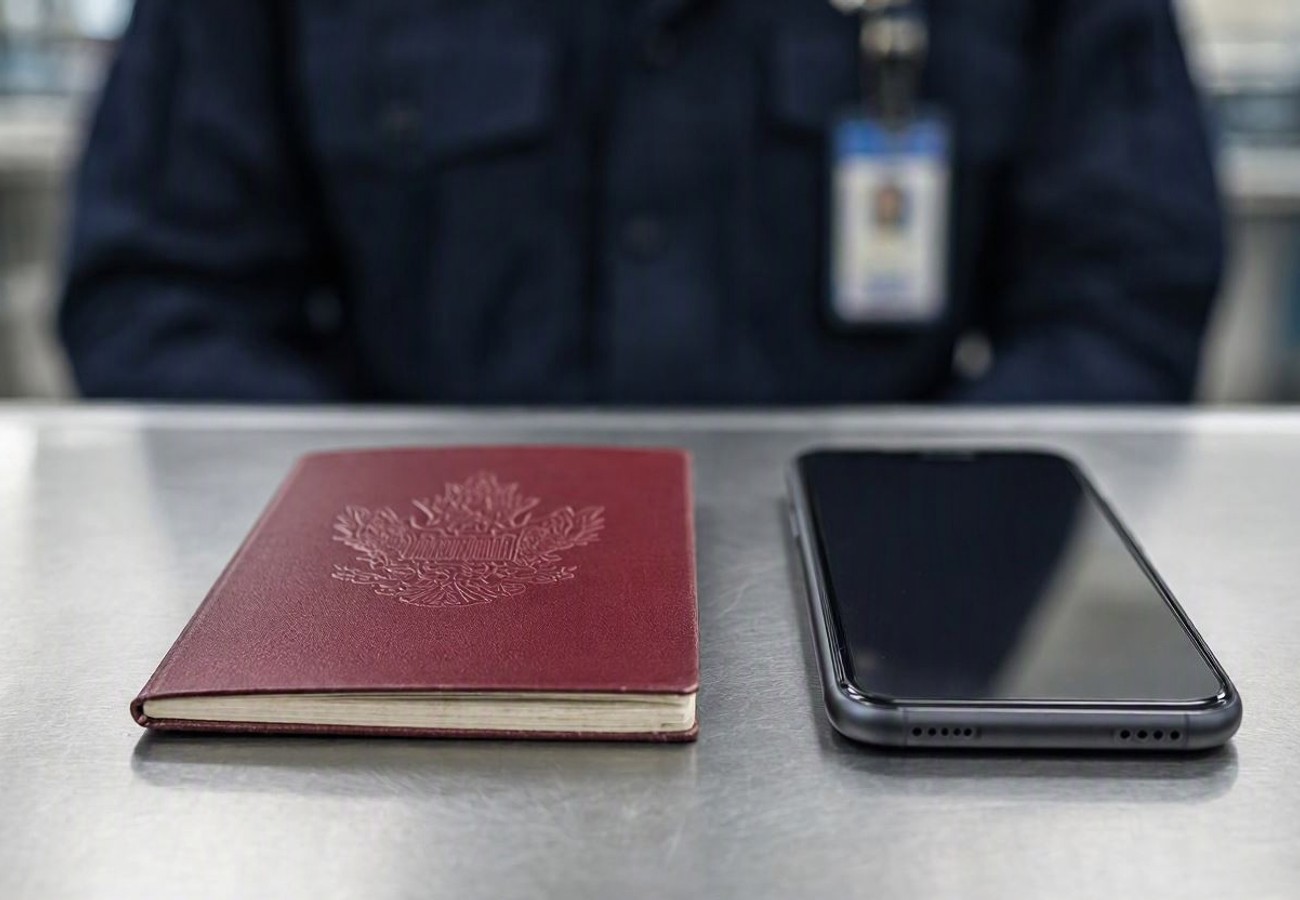
Image generated by AI
Border scrutiny for Canadian citizens has shifted from targeted suspicion to a broad, discretionary authority, with recent court rulings confirming that US Customs and Border Protection (CBP) requires zero probable cause to search electronic devices. This systemic change in enforcement represents a significant departure from traditional privacy expectations for North American cross-border transit, transforming the digital device into a primary tool for admissibility screening.
The Digital Border in Numbers: Expanded CBP Authority
The current regulatory environment is defined by a ruling from the US Court of Appeals for the Second Circuit, which has formally renewed and solidified border device search rules. The core of this mandate is the removal of the "suspicion" requirement. CBP officers are now legally empowered to request passwords and access private data without providing a specific reason or demonstrating probable cause.
The operational scope of these searches extends beyond the standard smartphone. The current directive encompasses a comprehensive array of hardware, including:
- Mobile phones and smartphones
- Laptops and desktop computers
- Tablets and e-readers
- Digital cameras and media players
- External storage (flash drives, SIM cards, disks)
- GPS units
- Unmanned aircraft systems (drones)
- Vehicle infotainment systems
According to Global Affairs Canada, travelers are urged to comply with these requests. The consequences of non-compliance are binary: the seizure of the device or the classification of the traveler as "uninspectable." In the latter case, entry into the United States is denied regardless of the traveler's citizenship status or previous travel history.
Comparative Context: The Shift Toward Zero-Suspicion Screening
Historically, border searches were often triggered by anomalies in travel patterns or specific intelligence. However, the 2026 trajectory shows a move toward "blanket" scrutiny. This is evidenced by recent incidents where Canadian citizens have been detained for extended periods—including one case involving a six-hour detention over a query regarding voting—indicating that CBP is utilizing device data to probe into political and social affiliations.
The following table illustrates the shift in border enforcement protocols for electronic devices:
| Metric | Previous Standard | 2026 CBP Protocol |
|---|---|---|
| Search Trigger | Reasonable suspicion/Probable cause | No suspicion required (Discretionary) |
| Password Requirement | Often negotiated or warrant-based | Mandatory for entry (to avoid "uninspectable" status) |
| Device Scope | Primarily phones and laptops | All digital media, including drones and car systems |
| Primary Goal | Contraband/Illegal activity detection | Admissibility verification (e.g., intent to work illegally) |
| Consequence of Refusal | Potential delay/Secondary inspection | Device seizure or immediate denial of entry |
This shift aligns with broader global trends in border security where digital forensics are integrated into standard immigration checks. Data from the International Air Transport Association (IATA) suggests that as biometric and digital screening increases, the friction between privacy and security at international checkpoints is intensifying.
What This Means for Travelers
For Canadians crossing into the US, the "security theater" has evolved into a data-driven audit. Immigration experts, including David Garson of Garson Immigration Law, warn that attempting to circumvent these rules through "digital hygiene" can actually increase risk.
Actionable Booking and Travel Advice:
- Avoid "Burner" Devices: Bringing a completely empty phone or a burner device often triggers higher suspicion among CBP officers, as it suggests the traveler is hiding specific information.
- Do Not Wipe History: Clearing browser histories or deleting apps immediately before crossing the border can be interpreted as an admission of guilt or an attempt to conceal evidence, leading to more intensive secondary screenings.
- Audit Your Content: Be conscious of social media posts or messages that could be misinterpreted as an intent to work in the US without a visa. CBP specifically searches for indications that a visitor intends to remain in the US indefinitely.
- Prepare for Delays: Factor in additional time for border crossings. If a device is seized or a deep-dive search is conducted, travel delays can extend into several hours.
Forward Projection: The Future of Digital Admissibility
Based on the current trajectory of the Second Circuit's ruling, we expect CBP to further integrate AI-driven scanning tools that can parse through thousands of messages and photos in seconds. The "uninspectable" designation will likely become a more frequent tool for denying entry to those who prioritize digital privacy over immediate access.
We are moving toward a "Digital Passport" era where your device's data is considered as essential to your identity as your physical passport. Travelers should expect that any device capable of storing data is subject to search, and the legal threshold for these searches will likely remain at zero suspicion for the foreseeable future.
FAQ: US CBP Device Searches 2026
Can I refuse to give my password to a CBP officer? Yes, you can refuse, but doing so makes you "uninspectable." This results in an immediate denial of entry into the US and the potential seizure of your device.
Will wiping my phone before I travel protect my privacy? No. Experts warn that a completely wiped device is a red flag for CBP officers and is more likely to trigger a prolonged secondary inspection.
What exactly is CBP looking for on my phone? They look for evidence of intent to work illegally in the US, social media posts indicating illegal activity, or any data that suggests the traveler is not a genuine visitor.
Does this apply to all Canadian citizens? Yes, the authority applies to all non-US citizens entering the country, regardless of their nationality or previous travel record.
The border is no longer just a physical line; it is a digital filter.
Related Travel Guides
Disclaimer
This article is for informational and educational purposes only. It does not constitute legal, financial, or professional advice. While we strive to provide accurate and up-to-date information, travel policies, regulations, and conditions change rapidly. Always verify information with official sources before making travel decisions. Nomad Lawyer makes no representations about the accuracy, reliability, completeness, or suitability of the information provided. Readers should consult qualified professionals for advice specific to their circumstances. The views expressed in this article are those of the author and do not necessarily reflect the views of Nomad Lawyer.
Kunal K Choudhary
Co-Founder & Contributor
A passionate traveller and tech enthusiast. Kunal contributes to the vision and growth of Nomad Lawyer, bringing fresh perspectives and driving the community forward.
Learn more about our team →